Since the mid-1990s, the mission statement of Grady-White Boats has centered around delivering the ultimate boating experience. Not the ultimate boat, but the ultimate experience, which includes everything from exceptional quality and craftsmanship to customer satisfaction.
“It’s just incredibly important to our customers,” says Kris Carroll, president, CEO and chairwoman of the board. “This is a purchase that brings family and friends together. It becomes an incredibly important part of their lives. We do so many things to be as connected as we can with as many of our customers as we can.”
Protecting those relationships with boat owners for many years to come is one of the reasons that Grady-White owner Eddie Smith, now in his 80s, chose to create a purpose trust this past summer. Smith could have sold his company for hundreds of millions of dollars, but he created the trust instead to ensure that even long after he’s gone, the brand will continue to treat people the way Grady-White has always treated them. Smith also created a nonprofit organization that will grant the company’s profits to charity.
Courtesy Grady-White
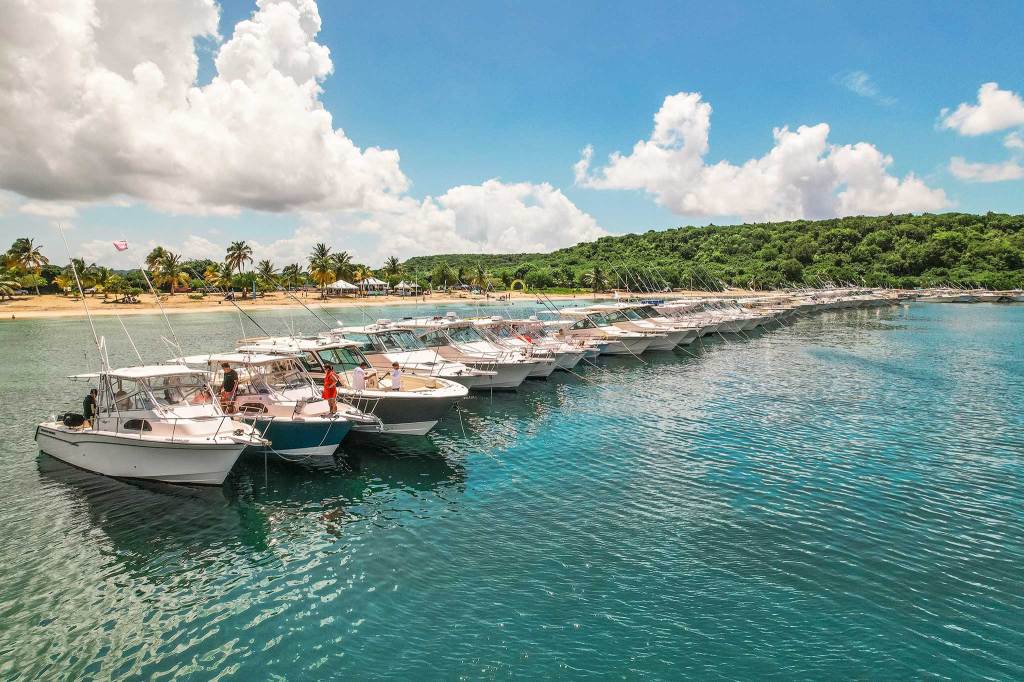
“We love all of our customers to death, and they love us,” Smith says. “We have Grady Clubs all across the country. They do cruises together. Some of them down South, they go to the Bahamas together. On the West Coast, they’ll go to the San Juans and have a fishing tournament. We always attended those and got to know the customers, got to know what they liked and didn’t like. We have a relationship with the customer that a huge company that’s mostly about numbers, they just can’t build that kind of relationship.”
The purpose trust is intended to keep Grady-White out of the hands of number-crunching corporations in perpetuity. It’s a tool that has been used in Europe for many years, but is relatively new in the United States. Outdoors retailer Patagonia was the biggest company to create a purpose trust in the United States, in 2022, and Grady-White is now the second biggest, as well as the first in the boating industry.
Grady-White is a company with an intentional culture that focuses not only on offering customers a great experience, but also on helping employees live their best lives. It’s all interconnected, Carroll says, and the trust is designed to ensure that all of those things continue.
“The culture that we have is unusual, how connected we are to our customers,” she says. “We’ve always been really connected with our dealers. Many of our dealers have been our dealers since the 1970s. A couple since the 1960s.”
When Smith was thinking about selling Grady-White, Carroll says, the team saw a real lack of understanding about the importance of the brand’s culture. Would-be buyers sat around boardroom tables making their pitches. While they may have had all the right numbers on their spreadsheets, the meetings ended with Grady-White’s team feeling uneasy about how customers, dealers and staff would be treated after the deal closed.
“When we were talking to the people that were interested in purchasing Grady-White, I could see it. I knew it,” Carroll says. “They didn’t understand what was truly important to us. Having a strong and profitable business is a given, but these things we do and all these relationships with our stakeholders, it’s priceless, and it takes a lifetime. We built this together with lots of people who have been part of the company for many years. Eddie is allowing us to continue to deepen our relationships and build these processes and systems that create our culture.”

That culture is a lot different from what customers experience after many headline-grabbing, multimillion-dollar deals these days, she adds: “They all say, ‘We love what you’re doing. We don’t want to change a thing.’ Well, that lasts about a week.”
Carroll says a lot of boaters would be surprised by how many brands are run under a purpose trust. “Rolex is controlled by a purpose trust, and that was a man who made watches and loved his company, and he didn’t have children, and his wife died,” she says. “I think that’s really interesting because it is a premium brand, and when you buy a Rolex, it just seems like it has a brand that you can trust.”
Smith is in a similar position with a trusted brand, she says. “He has certainly taken care of the grandchildren,” she says. “It is a question about how much of the wealth of a company is just passed on to individuals in the families, or whether it goes into philanthropy and helping to make this a better community, a better nation and a better world.”
For Grady-White, the plan for the future is decidedly the latter.
This article was originally published in the November 2026 issue.