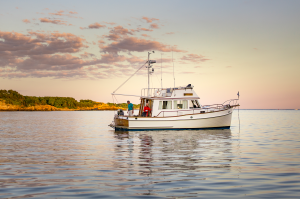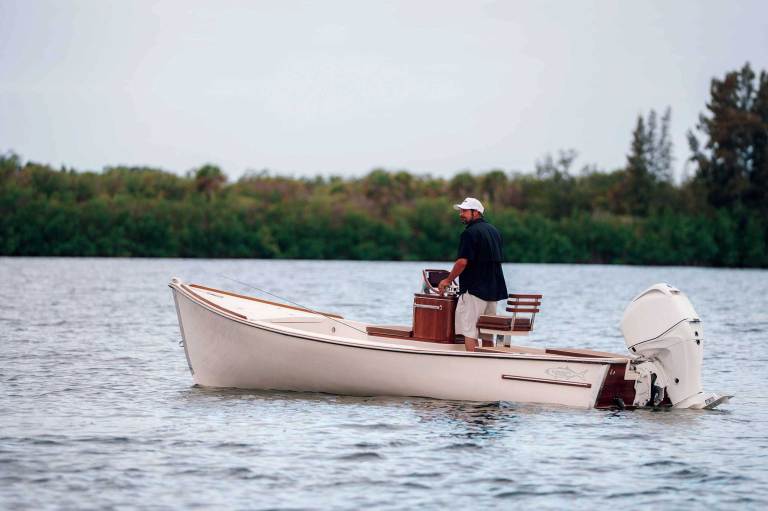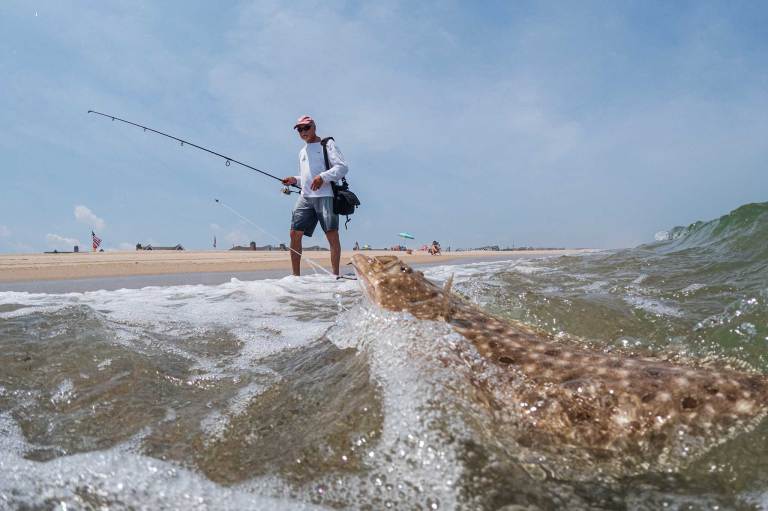
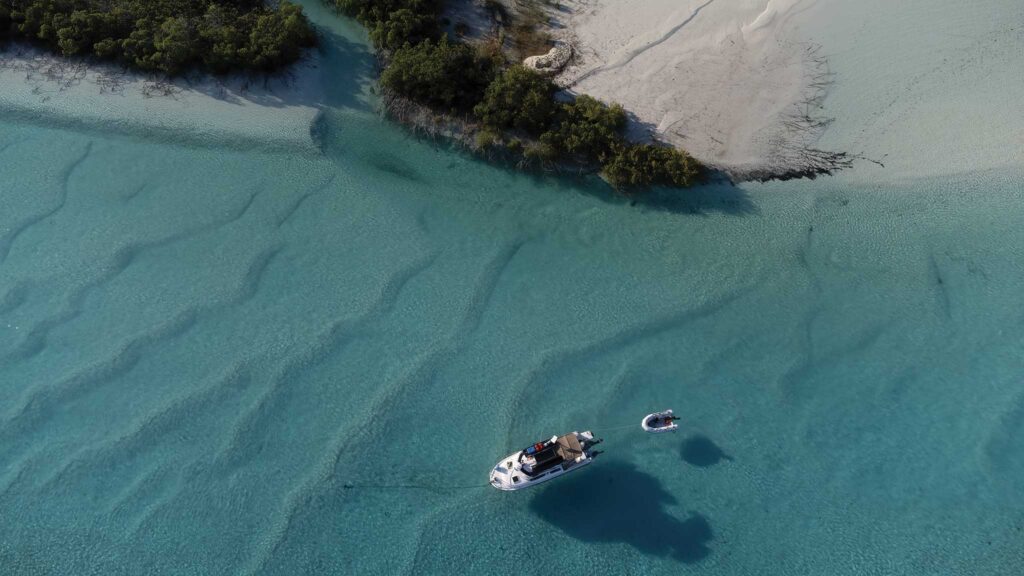
Sustained 30-knot winds buffeted Sea Nest, which was anchored on the south end of Eleuthera in Rock Sound, Bahamas, when I caught up with Julia and Michael Bertelsen. It was the couple’s third season wintering aboard their Ranger Tugs R-25, and they were ready for the onslaught.
When a storm blew in the night before, “we just switched our anchorage to the other side of the bay. So now we have the generator running and we’re doing our office work,” Michael says. Michael is a professional wildlife photographer by trade, and the couple lead tours throughout Canada via their company, Wild Outdoors Photography.
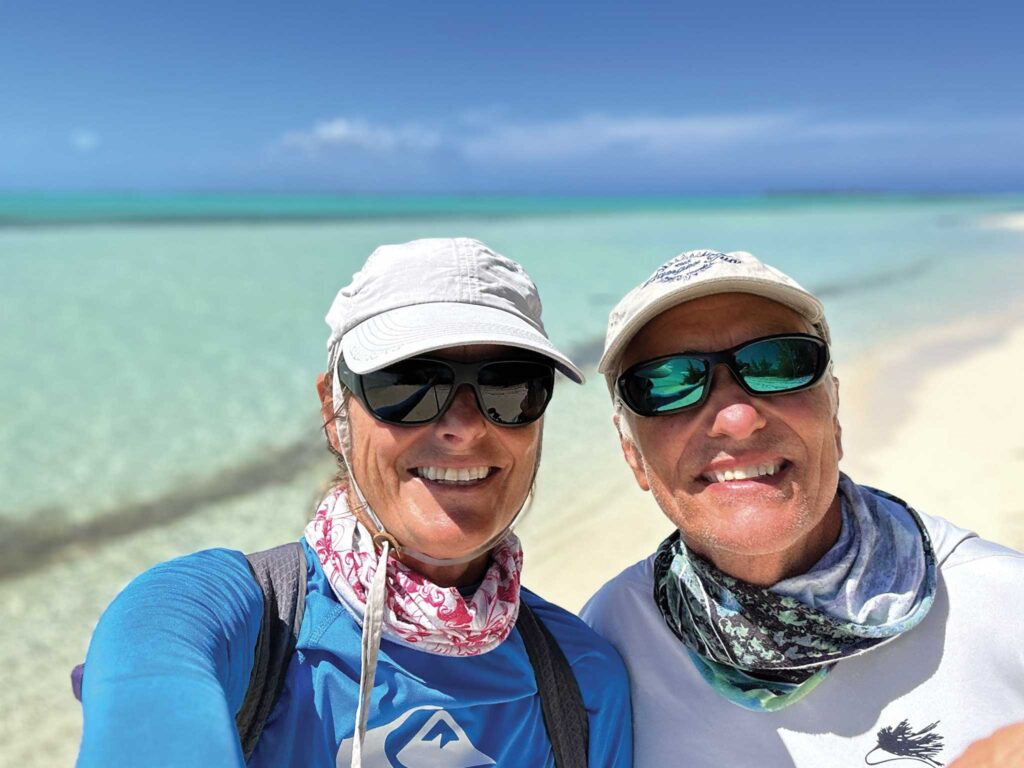
Winter is for planning and for living as nomadic liveaboards, armed with GoPros. Several of the videos on their YouTube channel, Expedition Sea Nest, offer impressive insight into how the husband and wife manage to coexist on a small vessel. “We had to live with a lot less,” Julia says.
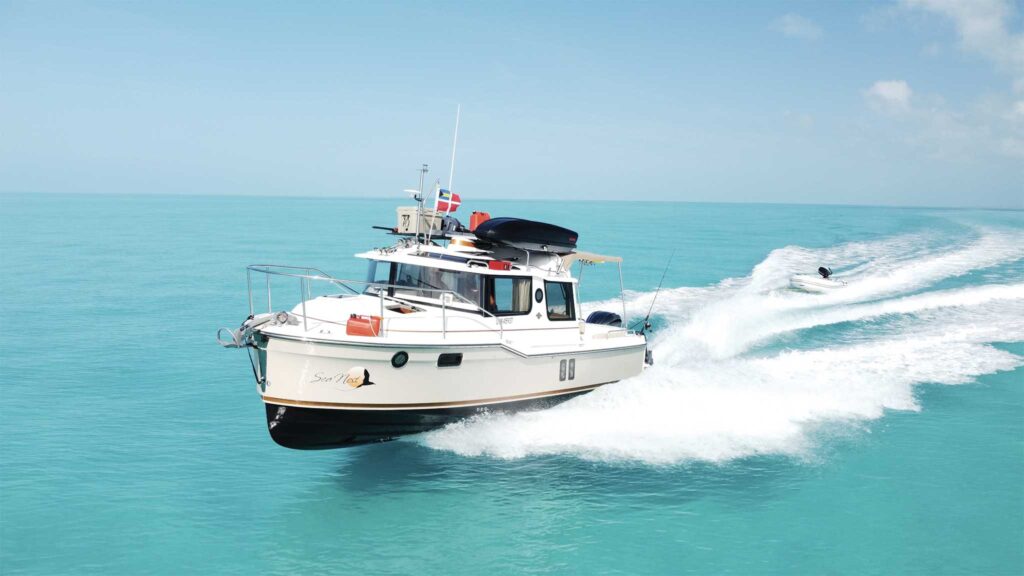
At first glance, the couple’s minimalist lifestyle is one a Buddhist monk might yearn to emulate. But the Ranger Tug has almost all the creature comforts of home tucked neatly away. There’s handsome cherry paneling, a solar panel and a Webasto air conditioner/heater combo. A berth is under the dinette, where their son, Erik, sleeps while visiting. Recently, they added a SeaWater Pro watermaker (the boat’s water tank holds 34 gallons), along with a portable LiFePO4 solar power generator (and Honda gas generator), which helps keep the Starlink on.
The Starlink, watermaker and generator are real game changers, Julia says, because they allow the couple to live almost completely off the grid while working from their boat. From spring through fall, they are in Canada for Michael’s photography tours, mostly off the boat. Come winter, they put Sea Nest back on the trailer and head south.
When they tire of sitting at the galley table or lounging on the V-berth during winter storms, they head for the stern and unroll canvas flaps to enclose the cockpit. There, they can dine, answer emails and book guests for their expeditions. Julia is taking an online art course and likes to do yoga here as well.
“While we are in the tropics, we book trips to guide photographers through the sub-Arctic, looking for polar bears,” she says. “Isn’t that crazy?”
In the pilothouse, the bolster of the captain’s chair folds back to create more counter space in the galley, which has a single electric/alcohol burner.
While other boaters may worry about dockage fees, the Bertelsens tuck their 25-foot Ranger Tugs into quiet coves, drop the hook and call it home—proof that adventure isn’t measured in feet, but in attitude.
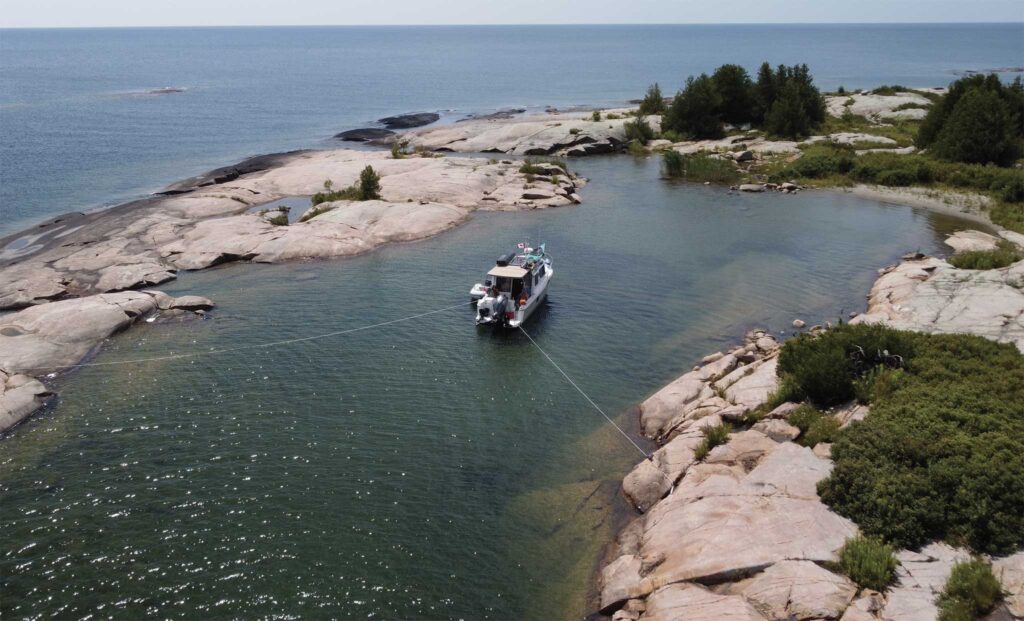
They search for isolated anchorages, far from the path trampled by larger boats,
The downside, Michael says, is that “you do feel more vulnerable on a little boat like ours, which is literally half the size of everything else that’s out here. You might see a sailboat that’s maybe 28 feet long, but we’re always the smallest liveaboard boat.”
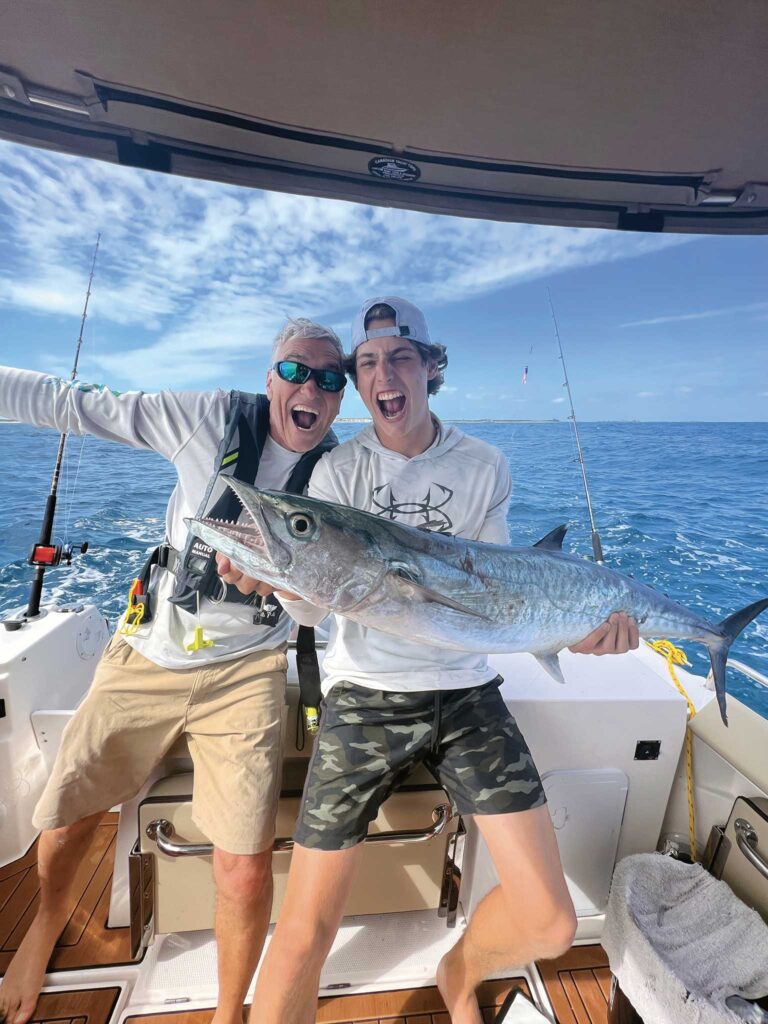
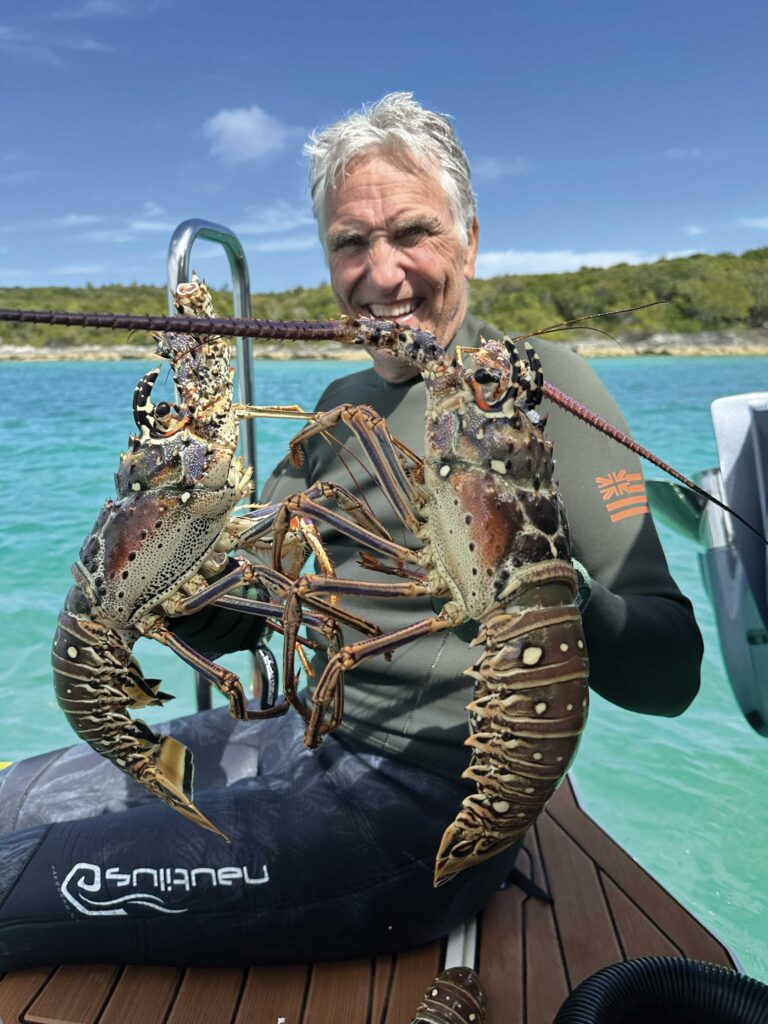
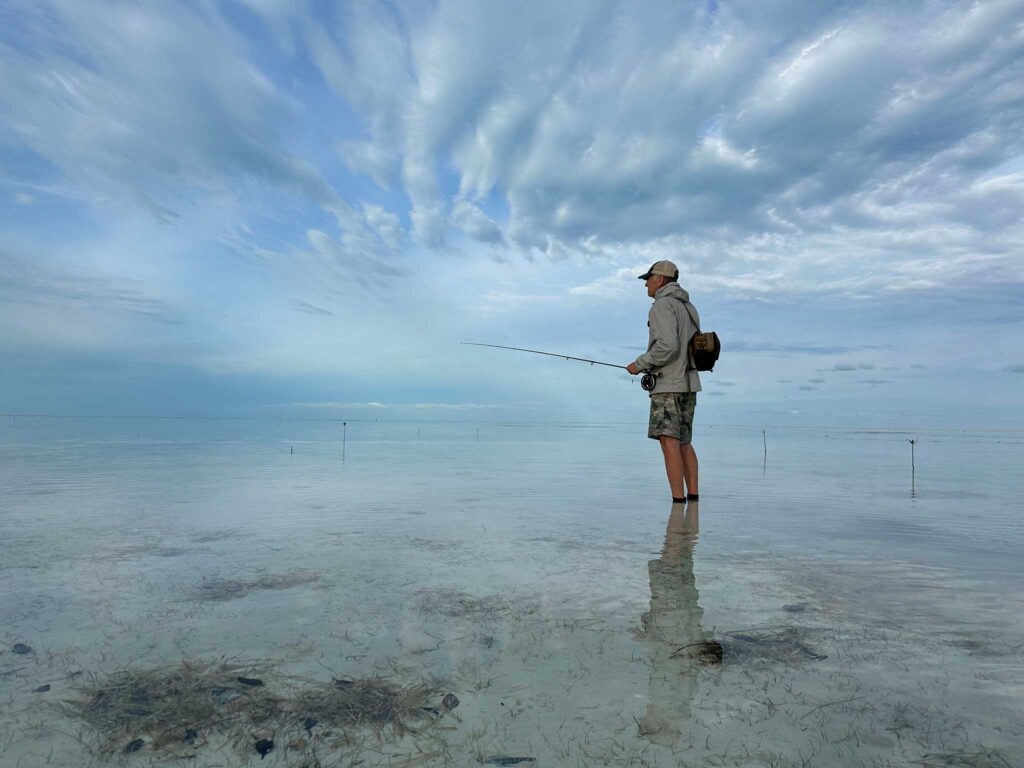
The duo swim or free-dive almost every day. “Michael is an excellent spearfisherman. We eat fish almost six days a week.” Julia says, adding that he sometimes has to dodge sharks to catch dinner.
Julia, a one-time competitive swimmer, is equally at home on the sea, Michael says.
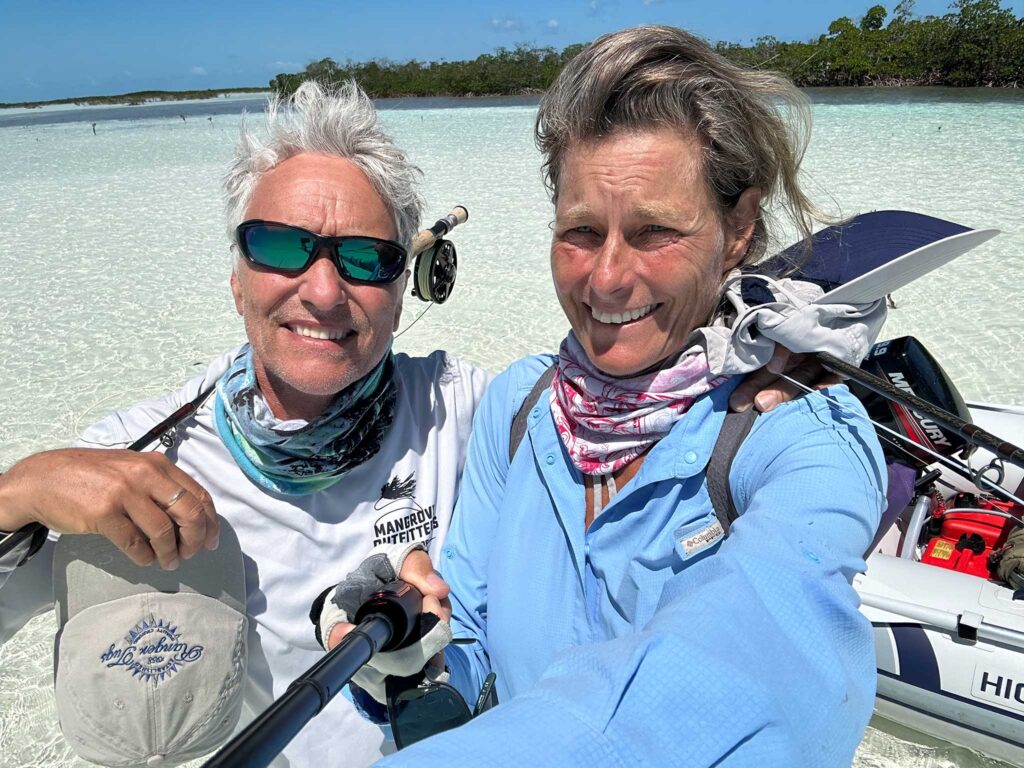
“One time, I’m free-diving down to 35 feet of water to spear a fish, and I run out of air and have to come up again,” he recalls. “I speared the fish, but my pole was stuck down there. And Julia, she swims down to 35 feet, free diving, holding her breath, and picks up the fish and the spear and comes back up.”
Crossing the Gulf Stream each winter from Florida to the Bahamas can prove a white-knuckle experience. This year, they saw 4-foot swells that became 6-footers driven by the wind. The vessel carved a path from Miami to Bimini with Michael at the helm as Julia lay on the deck below to ease her back pain.
He’s a 30-year captain who grew up around boats. “Michael is very patient with me, trying to teach me the knots and how to drive the boat,” Julia says. “I’ve messed up a couple times, but we’re still floating. Sometimes when you’re living it, you almost don’t appreciate it as much as when you look back and you think, look what we have accomplished.”
After 26 years of marriage, they might have run out of things to argue about, but living on a 25-foot boat has a way of keeping life interesting.
“There’s no stormy silence when you’re within arm’s reach 24/7,” Julia says. “I feel our relationship on the boat has taught me how to deal with really direct communication because you have no other choice. You can’t retreat. There’s just not enough space. You can’t hide from each other.“
Julia says their relationship staples include patience, laughter and the occasional tactical move to the cockpit. Her advice for other couples who want to enjoy a similar lifestyle is to “have a solid relationship. Live more simply in what you eat, your choice of media and how you spend time together. Don’t hold grudges. Just move on. But perhaps most importantly, don’t lose your sense of humor.”
Photography by Michael and Julia Bertelsen
August 2025