Onne van der Wal
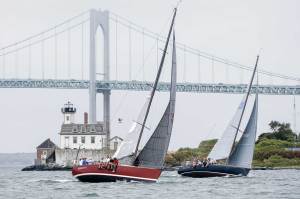
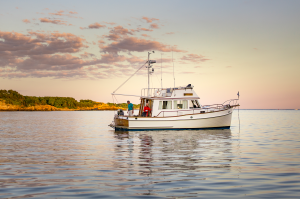
What a luxury it is to keep my boat—a 1987 Grand Banks 32 named Snow Goose—on a mooring near my home in Jamestown, Rhode Island. The location gives my wife, Tenley, and me easy access to great cruising areas, many within a day’s run of our home port. We can head north up Narragansett Bay to Bristol, Wickford or Providence; east to the Cape; south to Block Island, or west to Long Island Sound. I’ve lived on the bay for more than 40 years, and after all that time, I still deeply appreciate the fabulous cruising grounds of New England. I grew up near Cape Town, South Africa, where this type of boating simply doesn’t exist. There, it’s more like Southern California—great weather, but an exposed coastline with very few places to explore.
Tenley and I have enjoyed a lot of great cruising since we finished our restoration of Snow Goose a few years ago, and we’ve crossed a few places off our bucket list. One of those was the Westport River, a tidal estuary on the southern Massachusetts coast that I’d wanted to explore for some time.
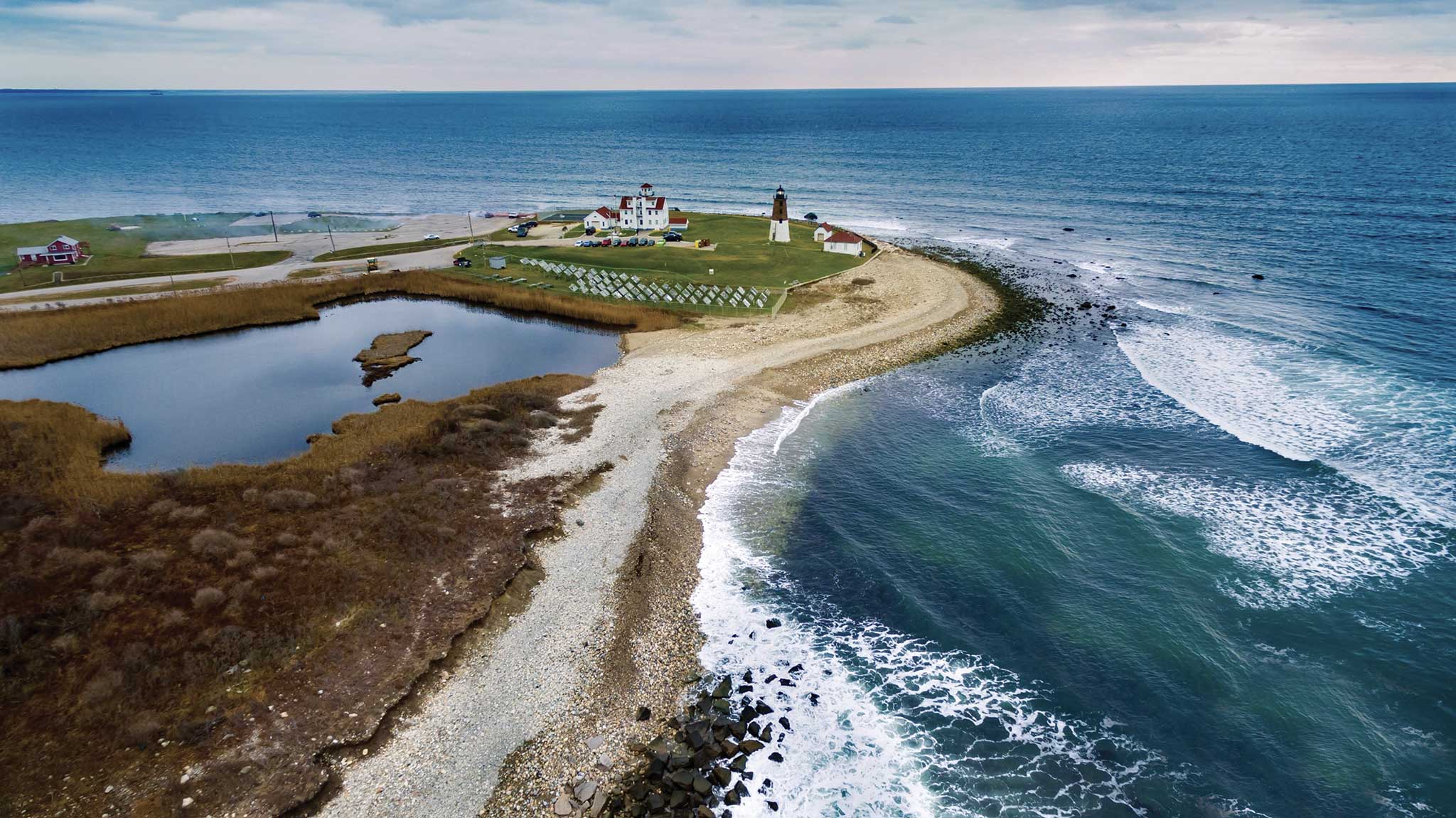
We cast off one summer morning from Jamestown and arrived at the entrance to the Westport River outer bell near noon, having traveled about 19 miles at a mellow pace. We planned our arrival around an incoming tide with little to no southwest breeze or swell, as the entrance is quite exposed to the south. It was a relaxing ride from Jamestown around Brenton Reef, across the mouth of the Sakonnet River and past the Sakonnet Lighthouse.
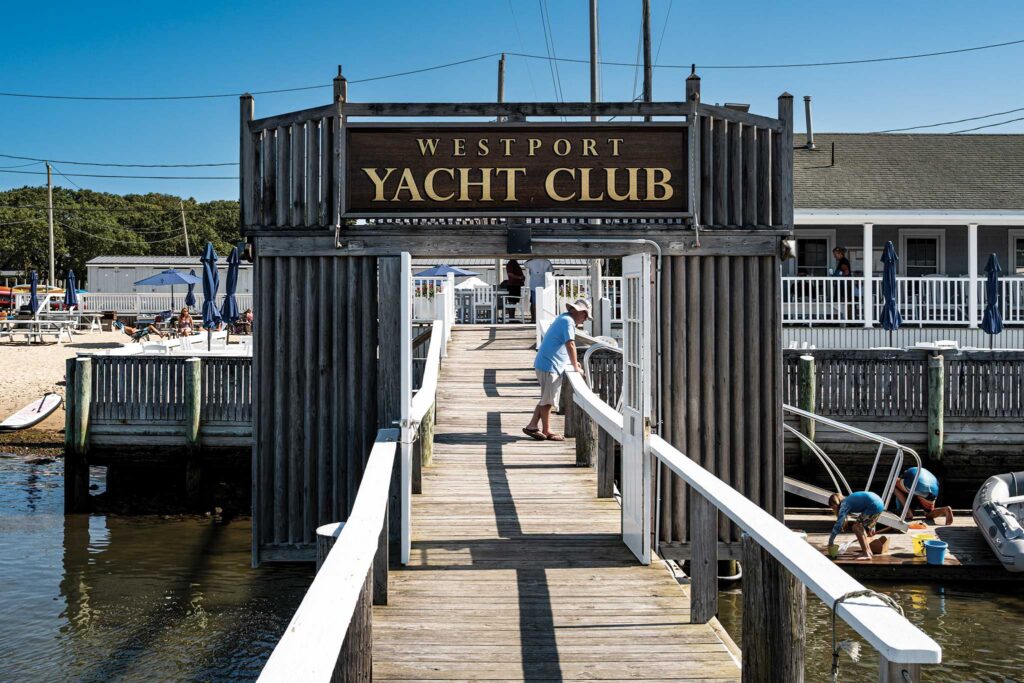
We booked a mooring at the Westport Yacht Club, figuring that anchoring in that stretch of river might be tricky—it can get crowded in peak season. There are plenty of moorings in the area and good tidal flow. Ours was right off the club, which would make for convenient dinghy rides to nearby restaurants and an exploration of the east fork of the river. Here, a quiet tidal system winds through some of the most unspoiled saltmarsh on the southern New England coast.
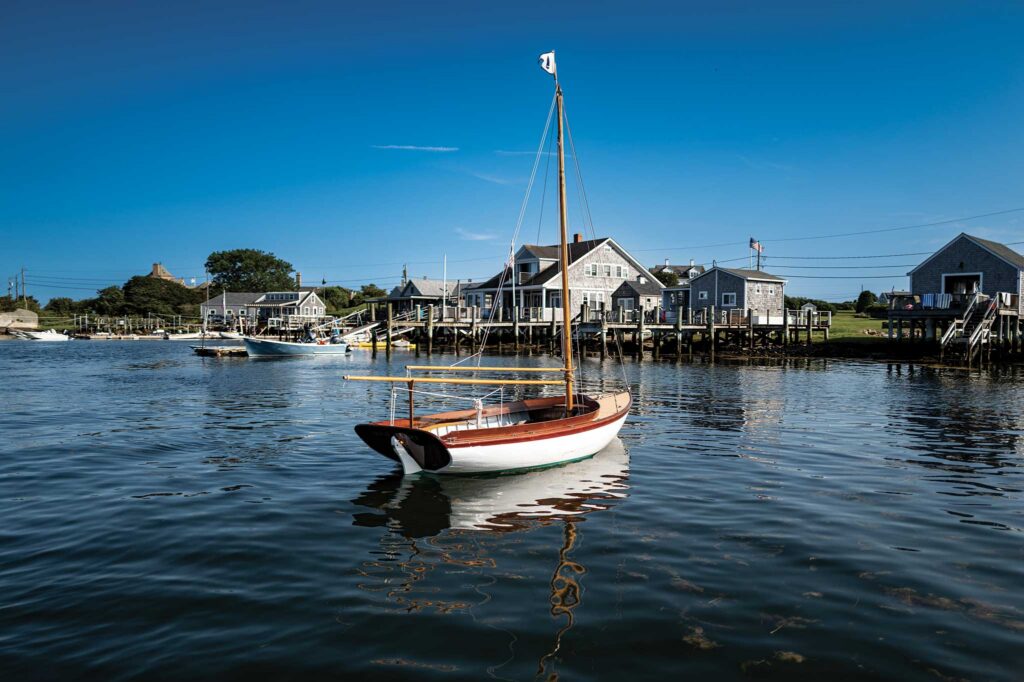
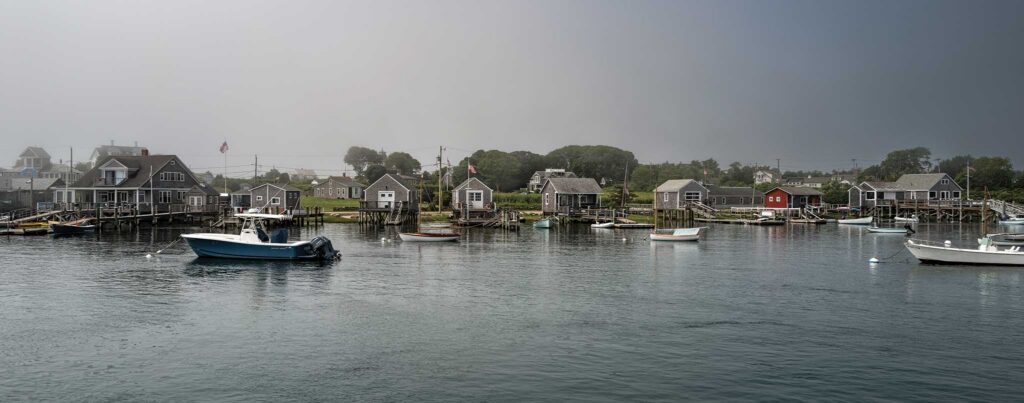
After getting the boat tied up, our first excursion was a run in the dink down toward the river entrance, where a cluster of beautiful old cottages lines the shore at Boat House Row. They sit right on the river, alongside a few classic Beetle Cats and other fine old boats on moorings. The setting was beautiful, and the late afternoon light made it ideal for photography. From there, we headed over to the marshy area at Baileys Flat, roughly halfway between Boat House Row and the yacht club. Baileys is a wonderful spot to pull the dinghy up on the mud flats. The tide was low, the sun was dropping, and it was gorgeous.
I never tire of finding new spots to photograph. And I enjoy documenting our adventures aboard the Goose. We’ve had many, including a fantastic run down the Intracoastal Waterway from Jamestown to the Bahamas and back. It was a 4,000-mile round trip, which is a long way to go on a 32-foot boat with a 3-foot draft. It was one of the best cruises of my life. That trip reminded me again and again the importance of throwing the calendar over the side, to let the weather set the schedule. If you can do that, you’ll be fine.
Fortunately, we had great weather for the Westport River excursion. With the sunset approaching, Tenley reminded me it was time to put the camera away and head for sundowners and oysters at Westport Sea Farms. So, we fired up the outboard and ran the dink upstream.
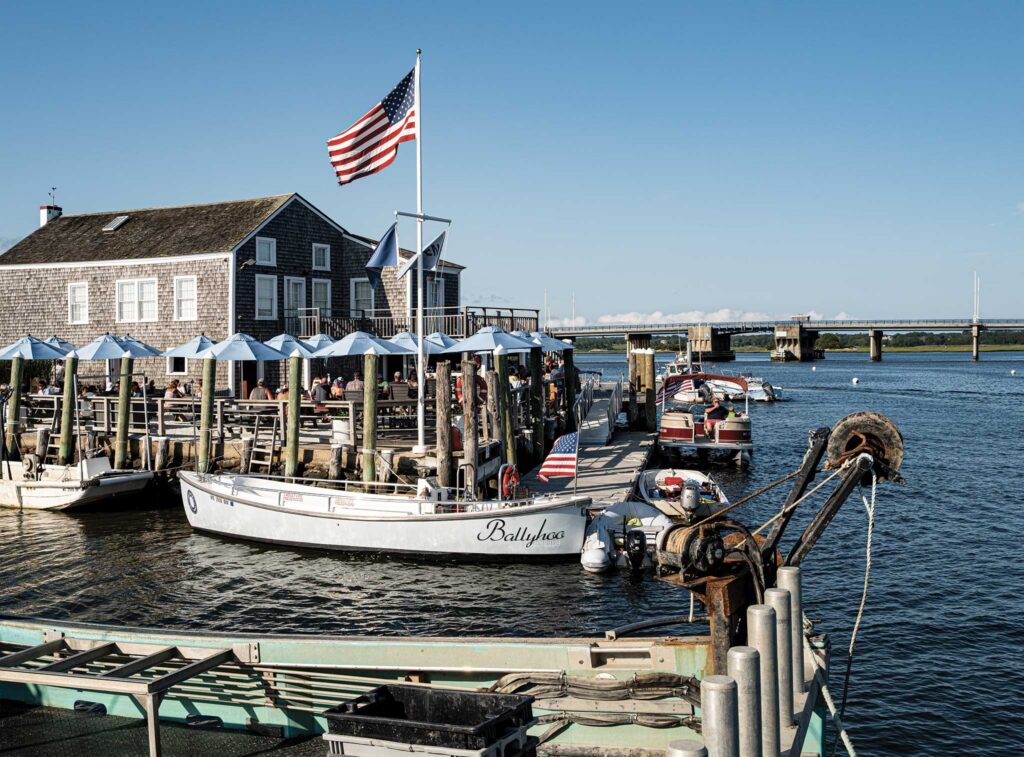
Westport Sea Farms has a floating dock out front, making it easy to tie up. The oyster bar and restaurant offered a solid wine and beer list along with fresh oysters, lobster rolls and clam chowder. We found seats outside and enjoyed the last of the evening light.
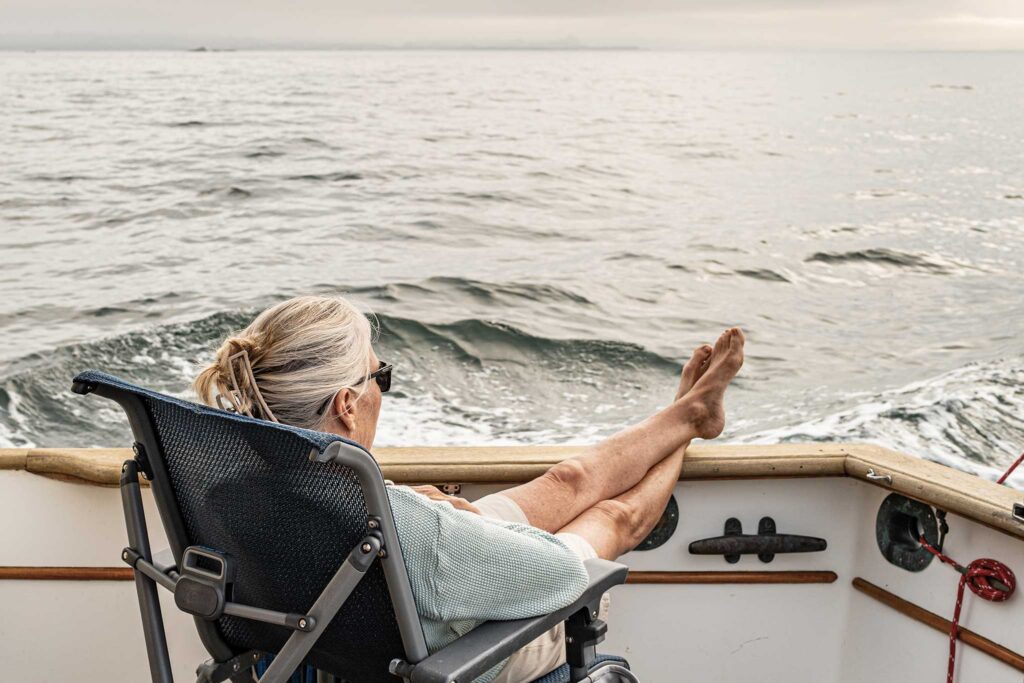
Back aboard Snow Goose, we spent the night on our mooring. She’s just about the perfect two-person cruising boat. In fact, the only time I see Tenley truly relax is when we’re on the boat—at anchor or on our way to the next cove.
The next morning, we packed a lunch and ran the dink to the yacht club dock, then walked a short distance through the dunes to Horseneck Beach. It’s a beautifu, south-facing barrier beach that’s ideal for a swim, lunch and nap. There weren’t many people around, and you’d never have guessed it was summer in New England. It was perfect. We walked back to the club, took a cockpit shower onboard, and then climbed back into the dink for dinner at the Back Eddy, a popular spot in the area. There’s good food there, though it runs a bit noisy.
Two days felt like just the right amount of time to explore this area. The next morning, we dropped the mooring ball at mid-tide.
It was foggy, and I was glad for it. I always appreciate a little pea soup. It’s a good excuse for me to practice navigation skills. Armed with my Raymarine Axiom chartplotter with radar and an iPad running Aqua Map, I felt well prepared to follow the river out to sea. It all went smoothly, and we had a beautiful run back to Rhode Island, the fog slowly lifting offshore with no breeze and no swell.
There’s something I love about leaving at sunrise, before the sea breeze builds, and pointing the bow toward the next destination. That’s one of the great advantages of a trawler: You can go just about anywhere at 8 knots, in flat calm conditions or with the wind on the nose.
Our next stop was a short hop west to the mouth of the Sakonnet River, where we anchored at Third Beach in Middletown, Rhode Island—about a 9-mile run from the Westport River. Third Beach is a fine spot to anchor, especially with a southerly breeze. There’s good holding in a sandy bottom, and on this day it was quiet, save for a few boats on permanent moorings. We swam to the beach and back, then had dinner in the cockpit. It was a fine way to end the day.
The next morning, we woke to the view of St. George’s Chapel on the hill. It was time to pick up the hook and head home. It would be a relaxed 12-mile ride to our mooring just south of the Jamestown Bridge.
No surprise, this simple local trip reminded us once again that we live and cruise in a remarkable part of the world. It’s easy to dream about distant anchorages, but sometimes the best reminder of why we go boating comes from somewhere close—a quiet river, a mud flat at low tide, a beach with no one on it. Snow Goose didn’t take us far on this trip. But then again, she didn’t need to.
This article was originally published in the June 2026 issue.