Creative Commons/DWSAV
In the 1960s, music fans in the United Kingdom often tuned not to commercial radio stations on British soil, but to broadcasts from ships in international waters.Pirate radio stations emerged to circumvent the BBC’s monopoly on radio broadcasting in the U.K. Until 1967, the BBC could air only five hours of commercial gramophone records per day because of a restriction called “needle time,” a rule intended to protect musicians and encourage physical record sales. Pirate stations, by contrast, were dedicated to playing music freely throughout the day and night.
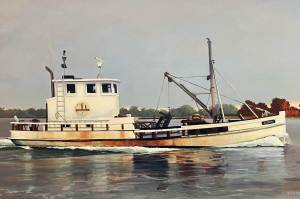
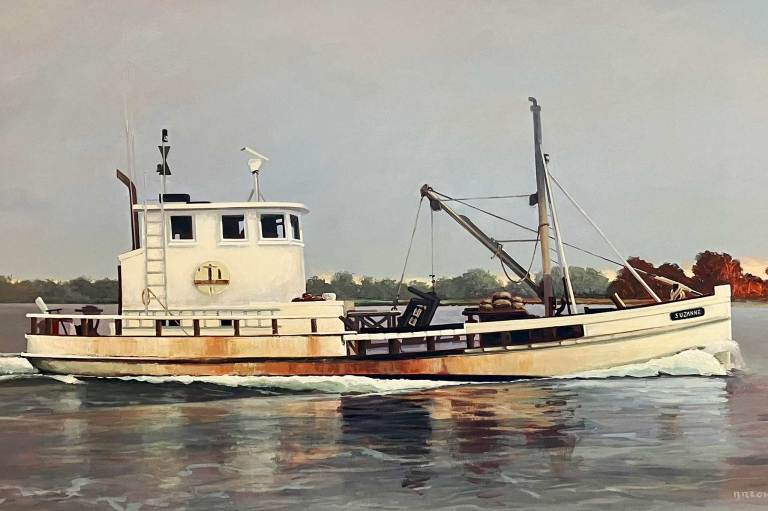
The first major pirate radio station in the U.K. was Radio Caroline, which initially broadcast from the ship pictured here. The station was founded by Irish music manager Ronan O’Rahilly, who took inspiration from Scandinavian and Dutch radio pirates after failing to secure airplay for one of his commercial artists on Radio Luxembourg and the BBC Light Programme.
In 1963, O’Rahilly purchased the passenger ferry MV Fredericia and moved her to the Irish port of Greenore for conversion into a floating radio station. The process involved outfitting the vessel with microphones, records, turntables and an audio mixer. The following year, the ship was renamed Caroline. Her port of registry was changed to Panama, and she was anchored off Felixstowe.
Radio Caroline began regular broadcasting in March 1964, running from 6 a.m. to 6 p.m., then 8 p.m. to midnight. Much of its pop programming targeted housewives, with later segments aimed at children. The station attracted a regular daytime audience of around 7 million listeners.
Later that year, Radio Caroline merged with Radio
Atlanta, an offshore station broadcasting from the ship MV Mi Amigo. After the merger, Mi Amigo remained off Frinton-on-Sea and broadcast as Radio Caroline South. Caroline operated as Radio Caroline North from a new anchorage on the southern tip of the Bahama Bank. From these positions, the two ships were able to cover most of the British Isles.
By 1967, 10 pirate radio stations were broadcasting daily to an audience of 10 million to 15 million people across the U.K. Their format often resembled American commercial radio, with DJs and Top 40 playlists. Their popularity forced the BBC to restructure its radio services that year, creating BBC Radio 1, 2, 3 and 4. At the same time, the U.K. government passed the Marine Broadcasting (Offences) Act of 1967, which closed the loophole that had allowed pirate stations to operate from international waters.
Despite these changes, pirate radio did not disappear. Radio Caroline continued broadcasting from offshore ships until 1991.
This article was originally published in the May 2026 issue.