New cruising permit fees for all boaters visiting the Bahamas took effect April 1, the second significant fee change in 10 months. But this time, boaters are celebrating what they say is a return to reasonable costs. The previous slate of fees, introduced July 1, 2025, tripled the cost of a cruising permit for some categories of boats, resulting in lower numbers of visitors to the islands over the winter.
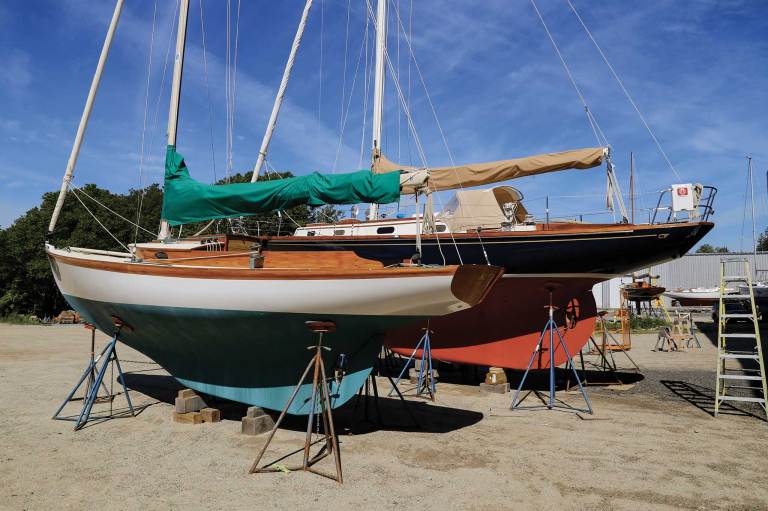
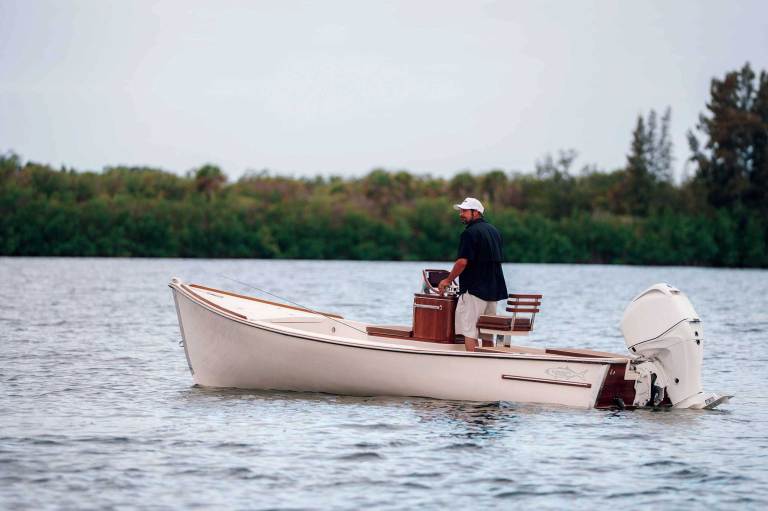
According to the new slate, the basic cruising permit fee for a 30- to 50-foot boat is $250 for one month, $300 for six months (with one free re-entry), and $500 for a one-year permit. Owners of boats 50 to 100 feet pay $350 for one month, $750 for six months, and $1,000 for a one-year permit. The one-year permits allow two re-entries, which represent critical opportunities for fueling and reprovisioning. Additional fees apply for anchoring, fishing, carrying a tender larger than 25 feet, and running with additional passengers. Boats smaller than 30 feet—including many center console sport boats that zip over from Florida on weekends—now pay $150 per month.
“For my boat, the fees last year went from $230 to almost $900 for six people,” says Chris Hetzel, a Florida resident who owns a Treasure Coast swimming pool installation business. As an unpaid Bahamas Boating Ambassador, he leads fleets of small boats across the 50-mile stretch of open water from the U.S. to the West End and other Bahamas ports several times a year. The trips are supported by the Bahamas tourism office because they familiarize boaters with the trip and customs/immigration process. Hetzel captains a 30-foot Sea Hunt. “I’m glad theyloosened the fees; it’s a step in the right direction,” he says.
Hetzel did not see a decline in flotilla participation because of last year’s fee increases but saw a strong backlash online. Fees haven’t been a big issue for his group because for these people, Hetzel says, taking their own boat to the Bahamas is a life dream, a bucket list item.
Rich Ashman of New Orleans is one boater who has stayed away from the Bahamas due to the high fees involved. He stayed on the Gulf Coast this season. In addition to the cruising permit fee for his 50-foot boat, $500 for one year, Ashman would have to pay $300 for monthly fishing permits, plus a $1,500 per month docking fee. “I had been keeping the boat in the Bahamas for 12 to 18 months, then bringing it back here for maintenance. Mostly we are scuba diving or fishing,” Ashman said. “The funny thing is with all the import duties and VAT taxes that I pay, the government would get more than $4,300 from me over the course of a year.”
The government’s about-face on the 2025 fee increases is a strong indication that they hurt Bahamian businesses.
On July 1, 2025, the Bahamian government scrapped popular short-term cruising permits, instituting annual permit fees of $500 for boats under 50 feet and $1,000 for boats 50 to 100 feet. New fees of $100 to $300 per month for fishing were implemented, along with $200 to $1,500 annual anchoring permits, both dependent upon boat size. That followed a 2024 regulation creating a $200-per-person immigration fee to extend visitors’ permits beyond the initial 90 to 120 days given.
The backlash from cruisers on social media was swift, with many promising to steer clear of the islands, saying the fees were predatory. In the end, many did. In December 2025, the Charter Yacht Show, an annual event in Nassau, was cancelled due to a lower-than-anticipated number of registrants. And there were nearly 25 percent fewer boats in the harbor last February during the annual Georgetown Exuma Regatta.
Throughout the islands, the 2025-26 season saw a 40 percent drop in private boat traffic, according to Peter Maury, president of the Association of Bahamas Marinas. He wrote a December 2025 letter to government officials warning of a probable loss of 1,500 marina-based jobs if the permit fees were not reduced.
Boaters are responding positively to the 2026 reduction in fees, Maury said, but the economic damage done in the 10-month period of high fees won’t be erased easily. “It doesn’t bring back the considerable amount of business that we lost,” particularly charter bookings, he said. Many fishing charter companies moved their business to Turks and Caicos or other less expensive locations.
Ed Pottonowicz, a CPA from Philadelphia, carefully tracks the cruising budget he and his wife, Lyn, spend on their Hatteras 58 each year. They share it publicly on their YouTube channel, “Trying Not to Sink,” where it’s their most-watched segment. They sail from Fort Lauderdale to the Bahamas in late April each year, spending about $37,000 annually, including dockage, fuel and maintenance.
“Normally, our cruising permit was $350 for three-months in the islands,” he said. That jumped to $1,650 under the 2025 slate of fees, although the couple blew an engine and didn’t make it in 2025. “It’s not that we couldn’t pay the new amount, but like others, we kind of felt like boycotting the islands over it,” he said. “However, it’s a double-edged sword, because the people you end up hurting the most are the guy at the conch shack and the small mom-and-pop restaurants we like to visit.”
Pottonowicz adds that the Bahamas marina fees had likewise jumped from $125 per night several years ago to $400 per night in 2024, an increase that isn’t supported by improved facilities. “Some of these places are barely standing,” he said.