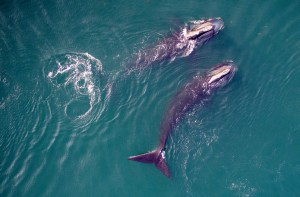

Seasoned mariners understand that life at sea always holds the potential for surprise. But even veteran boaters may be astonished by findings recently reported in The Seattle Times by environmental journalist Lynda V. Mapes: Wild orcas of many types, in at least 30 documented instances in four oceans, have approached boats and presented people with freshly caught fish—seemingly as a deliberate gesture.
Mapes references a study published in the Journal of Comparative Psychology, that tracked these events over the past two decades in four different oceans. In each case, an orca swam close—within its own body length—to a vessel, ten dropped a live or recently killed fish in front of the humans aboard, often hovering afterward as if awaiting a response. Researchers suggest these moments aren’t random or opportunistic but instead reflect a pattern of behavior that may be social in nature.
Food sharing is common within pods, especially from mother to calf and between close relatives. Extending that behavior toward humans could indicate a deeper cognitive connection or even a form of interspecies curiosity.
For those lucky enough to witness such an event, it’s essential to appreciate it from a respectful distance. Accepting fish or attempting to reciprocate might interfere with natural behaviors and violate marine wildlife protections. The best course, according to researchers, is passive observation—recording, not engaging.
The implications of this behavior prompt several compelling questions. Among them: Will this behavior spread? Orcas are known to pass along learned behaviors within and across pods, so it’s possible this type of prey-sharing with humans could become more common in certain regions.
And then there’s the question of risk: If orcas begin to expect a response or some kind of interaction, what happens when people don’t reciprocate?
As this behavior becomes more widely observed, boaters should follow a few basic principles. Keep a respectful distance. Refrain from touching or feeding the animals. Use the opportunity to observe quietly, document the event with photos or notes, and report details to marine mammal researchers or conservation groups. Noting time, location, species, and fish type can help build a fuller picture of what may be unfolding.