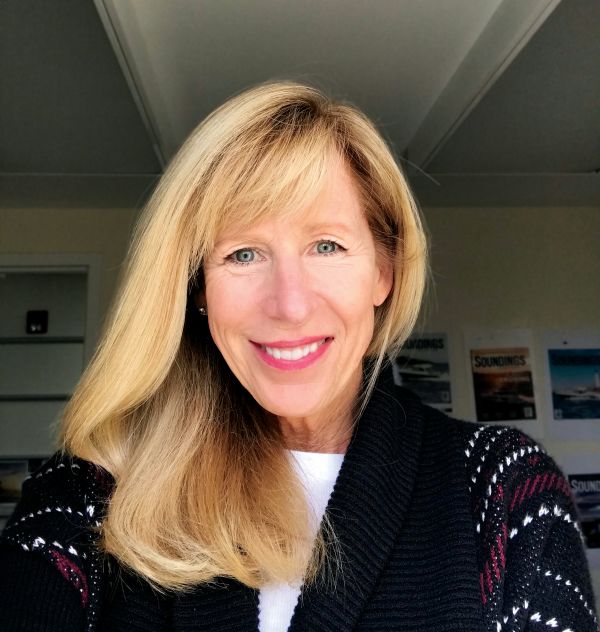
Soundings contributor John Wooldridge. Courtesy Hearst Home Books
In 1983, John Wooldridge was an editor at Motor Boating magazine when his colleague, Executive Editor Dan Fales, invited him to help deliver a large powerboat from Annapolis, Maryland, to Miami. Wooldridge hesitated. He had never made the trip and didn’t want to put Fales in a difficult position with only the two of them aboard.
Fales was not as concerned.
“He said he’d send me some background reading for the trip,” Wooldridge recalls.
A few days later, a copy of Chapman Piloting & Seamanship landed on his desk with a sonorous thud.
“I had used office copies for years, but here was my own personal book,” Wooldridge says. “Dan, who had been a longtime contributor to Chapman’s, had marked all the relevant chapters for me to review ahead of time. Like most boaters, I read well beyond them. Everything I learned came alive on that delivery run, from changes in buoyage where rivers and the Intracoastal Waterway crossed, to the peculiarities of passing tugs and their tows.”
More than four decades later, Wooldridge—now a regular contributor to Soundings—has come full circle. He served as editor of the 70th edition of Chapman Piloting & Seamanship, which goes on sale this October.
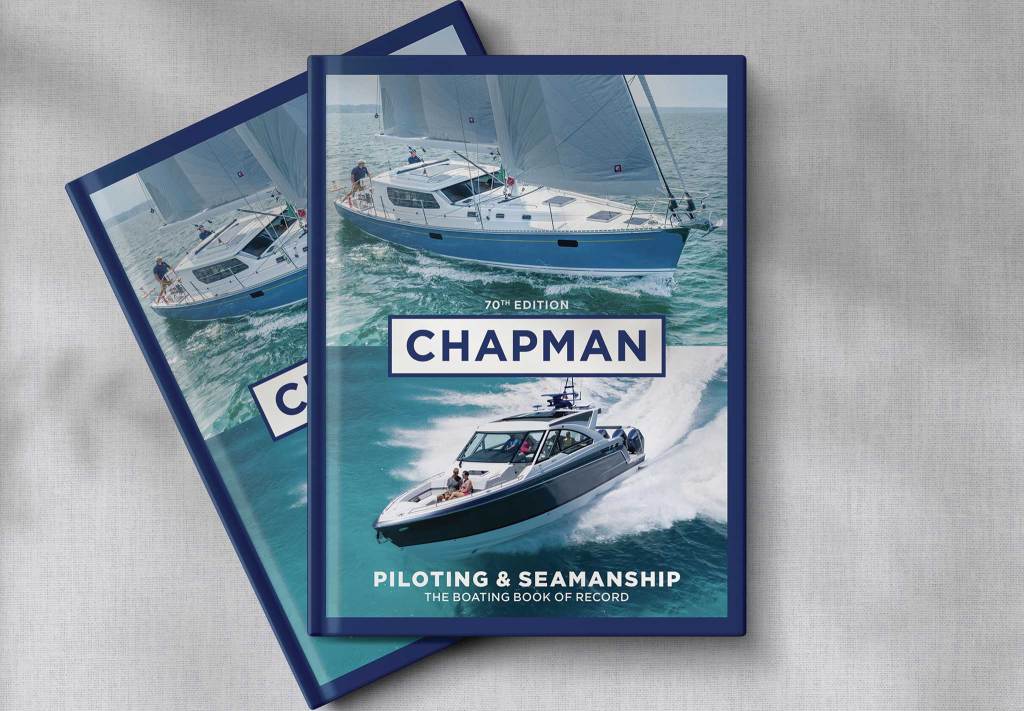
Few books have had a greater influence on boating. First published in 1917, the manual was the work of Charles Frederic Chapman, a naval architect, illustrator and longtime editor of Motor Boating. As boating expanded in the early 20th century, Chapman recognized that new owners needed a practical, comprehensive guide to operating their boats safely and confidently. His manual quickly became the standard reference for generations of American boaters, and was often referred to as “the bible of boating.”
Chapman was also a founding member of the United States Power Squadrons, now known as America’s Boating Club, an organization dedicated to improving boating safety through education. The mission of both the organization and the book has remained consistent for more than a century: to help recreational mariners become safer, more knowledgeable boaters.
Over the decades, Chapman’s has evolved alongside the boat owners it serves. Every edition has been updated to reflect advances in navigation, propulsion, communications, electronics and safety equipment while preserving the fundamentals of good seamanship. The 70th edition continues that tradition. Even experienced captains will find new material in this edition, including expanded coverage of modern navigation systems, satellite communications and today’s increasingly sophisticated propulsion technologies.
“No category has changed faster than electronics,” Wooldridge says. “From communication to navigation, advanced features once found only in premium equipment have become more commonplace. The options for staying in touch farther offshore have advanced significantly, particularly with satellite connectivity. There’s an extensive technology update on those systems in the Communications chapter.”
Marine propulsion has also advanced considerably since publication of the 69th edition in 2021. “Advanced microprocessors and AI systems now deliver cleaner, more efficient fuel burns across a broader range of outboards, while also integrating with digital controls and navigation systems,” Wooldridge says. “Several companies have also introduced systems that automatically reduce pitch, roll and yaw to improve comfort, command and control.” Those developments are covered in updated sections of the Marine Propulsion chapter.
The new edition also incorporates the latest guidance from the American Boat & Yacht Council (ABYC), whose standards help shape the design, construction and maintenance practices that make today’s boats safer and more reliable.
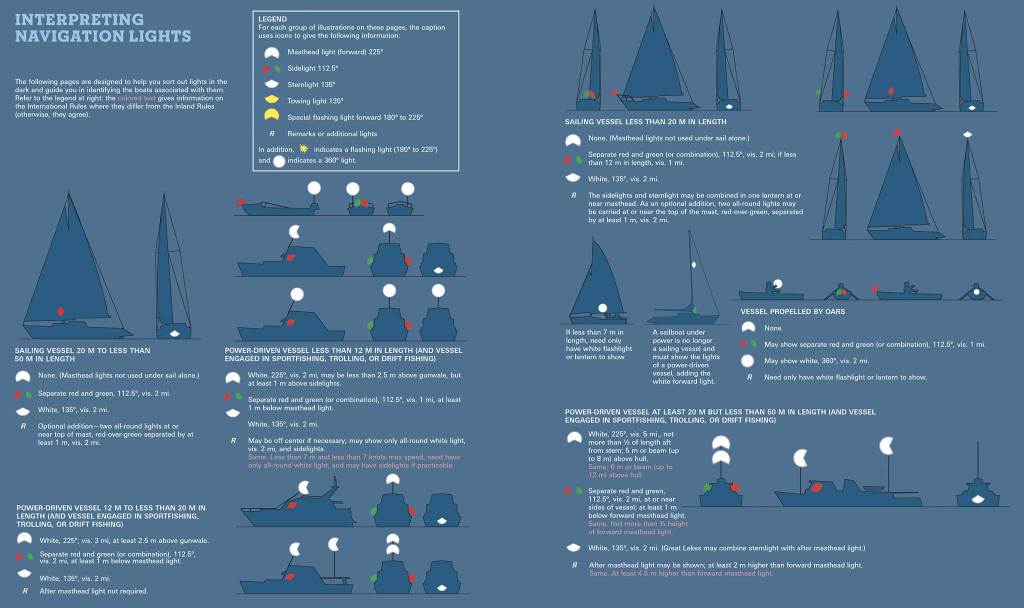
Of course, the enduring value of Chapman’s lies in the fundamentals. The book continues to provide step-by-step instruction on everything from knot tying and anchoring to piloting, night navigation, heavy-weather operation and the Rules of the Road. More than 1,500 photographs, charts and illustrations support the text, and a 4,200-entry index makes it easy to find information quickly whether you’re planning a cruise from home or solving a problem aboard.
“Updates for this 70th edition were never a one-man job,” Wooldridge says. “I had the support of experienced boating writers and technical experts throughout the process. The information continues to serve boaters as it has since 1917.”
For Wooldridge, editing the latest edition carries special significance. “I made other deliveries with Dan over the years and will never be able to repay him for sending that copy of Chapman’s,” he says. “He nurtured my curiosity and sense of adventure, and introduced me to the information that made both possible.”
This article was originally published in the September 2026 issue.