
Most folks get a yearly physical, even when they’re feeling well. If there’s something amiss, the doctor will likely find it and fix it, or pass you along to someone who can.
Maybe your boat can use a check-up, too, performed by a qualified expert: a marine surveyor and, sometimes, a mechanic or electrical tech. A surveyor can discover problems you don’t know about, and can tell you what needs fixing now and what can wait. A survey isn’t cheap, but if it’s the stitch in time that saves nine, it’s worth the cost. Plus, if you’re planning on hauling out for the winter, this is an excellent time to give your boat a health check.
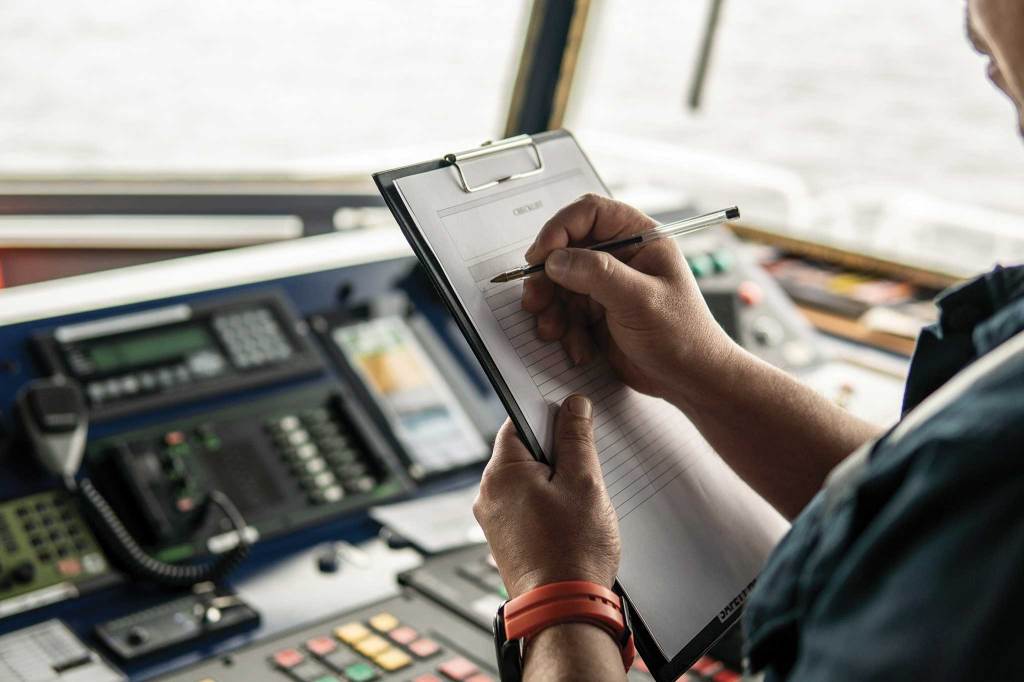
The advantage of having your own boat surveyed—as opposed to one that you’re thinking of buying—is that you already know the obvious problems. You don’t need the surveyor to test every system, since you know if the air conditioning doesn’t work well, or there’s low pressure in the water system, or the holding tank stinks, you
likely know who to call to fix these things. You’ll want the surveyor to check things you don’t see: Has water seeped into the hull or deck core? What might be causing a new vibration that showed up at the end of the season? Why is the bilge pump running so often? Hidden problems soon become expensive repairs, but a good surveyor is a good detective, and can often nip costly issues in the bud.
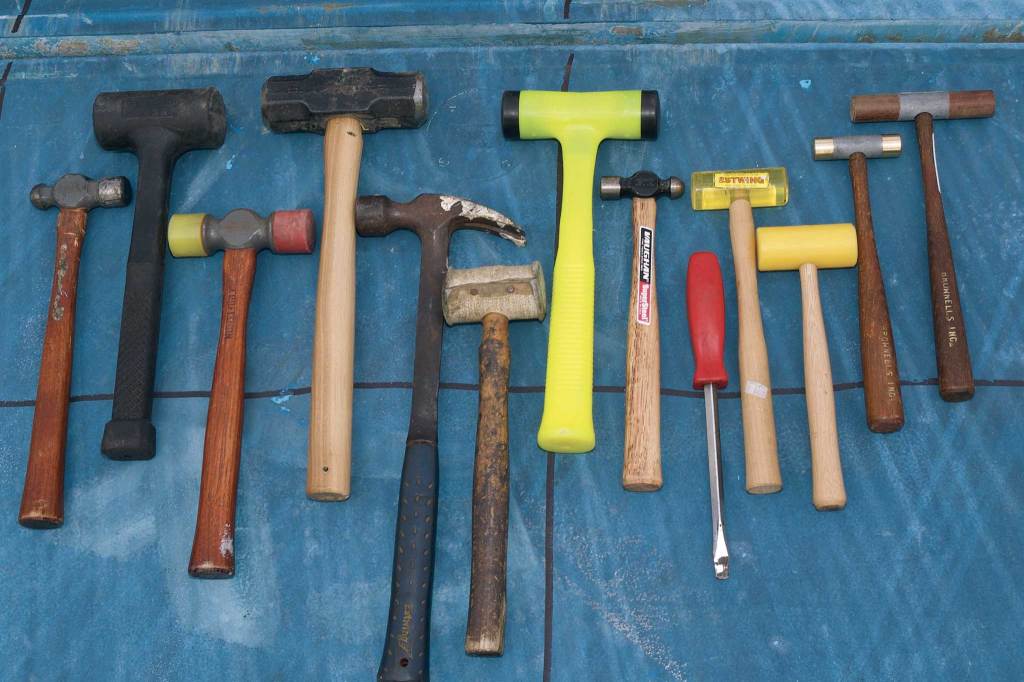
What might a surveyor tell you? Maybe your underwater gear is showing more corrosion than is healthy, and he’ll suggest calling an expert in galvanic issues if the cause isn’t obvious. Or maybe the cracks around your deck hardware are more than just gelcoat crazing, and are letting water infiltrate the deck core. Moisture-meter readings and a soft-faced hammer can uncover the truth.
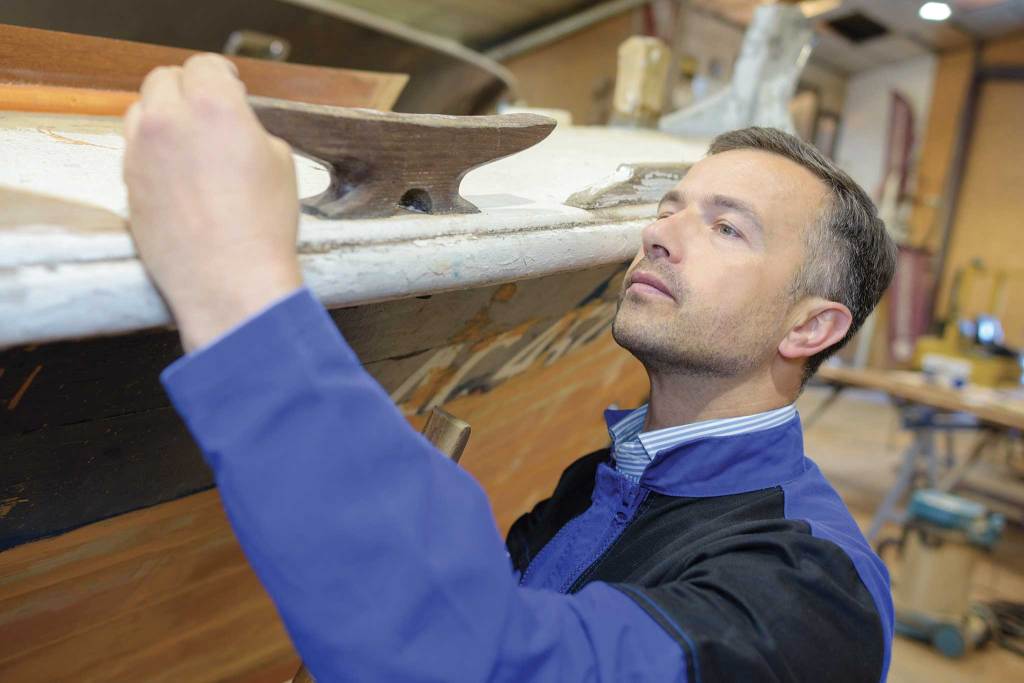
Fixing wet core in your hull or deck once it spreads is expensive, so finding it early can save big bucks and a huge headache. The surveyor might see rust stains on stanchion bases, and pull a fastening or two to check for crevice corrosion from water seepage, which can reduce stainless-steel fastenings to almost nothing, something you probably wouldn’t notice until someone falls overboard.
The surveyor might discover hoses in the engine room or plumbing that are overdue for replacement, or locate the source of the oil in the bilge you’ve been trying not to notice. There’s no predicting what a good, sharp-eyed, experienced surveyor will find. Unfortunately, most of it you won’t like, but at least you can get after problems early.
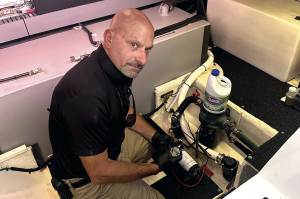
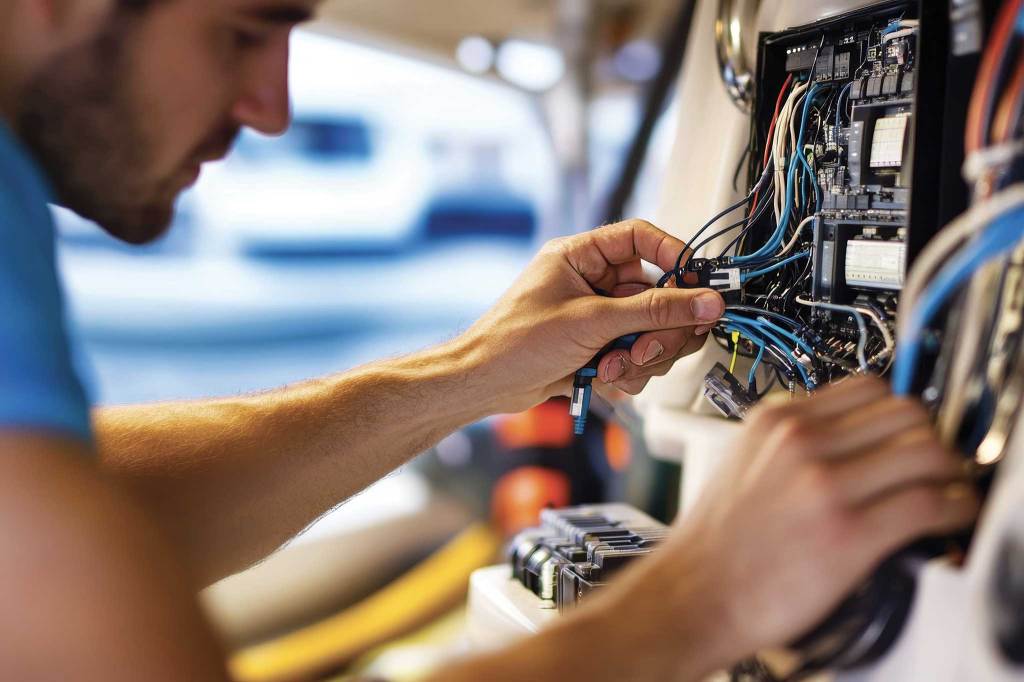
There are certain things a surveyor won’t do. Surveyors don’t take things apart. Most are not mechanics, and won’t run compression checks on engines or pull oil samples for analysis. Hire a certified mechanic for that, especially if you have outboards or big diesels. Those engines require specialized knowledge and equipment, including proprietary software for evaluating engines controlled by a computer board. Surveyors probably won’t own that tech. (You can take an oil sample and send it in, which you should do every year: testing labs offer kits. Google it.) Surveyors don’t do repairs, but should be able to estimate repair costs.
“I don’t get many calls from people having their own boats surveyed,” says John Lowe, a surveyor from Stony Brook, New York, who is the immediate past president of the Society of Accredited Marine Surveyors and a long-time board member of that organization. “Not that it’s a bad idea. It’s a good idea.”
Be clear with the surveyor about what you want, Lowe advises; this is not a prepurchase survey, which includes a sea trial, nor a condition and valuation survey, which is primarily for insurance. It’s a custom job. “The owner should discuss his concerns with the surveyor—what systems have given trouble over the season, and so forth. The surveyor might find the cause of the problem.”
Most surveys are billed on a per-foot basis, but for this kind of survey, expect to pay an hourly rate. And, Lowe adds, any structural survey—looking for delamination, water intrusion, etc.—must be done before freezing weather sets in. Ice can fool both a moisture meter and the surveyor’s hammer.
Finding the right surveyor will require some due diligence on your part. Surveyors serious about the profession belong to either SAMS (marinesurvey.org) or the National Association of Marine Surveyors (namsglobal.org). Both are trade organizations, not government bodies, that certify (NAMS) or accredit (SAMS) surveyors through peer review. Yes, every ex-boat captain claims to be a surveyor, and every boatyard and yacht broker has a list of “experts” who will “do a good job.” Some of them are excellent surveyors, but which ones? Find a surveyor you can trust to be skilled, experienced, unbiased (e.g., not a shill for the boatyard) and qualified in your type of vessel; the best way to do that is through NAMS or SAMS.
The requirements for full membership in NAMS and SAMS differ slightly, but basically they are equivalent: An applicant must have at least five years surveying experience, must submit past surveys for review, must agree to abide by the organization’s code of ethics, and must pass a comprehensive exam. Continuing education is required by both organizations. Both organizations’ websites have searchable lists of members; look for surveyors with specific yacht or small-craft credentials.
Some surveyors claim to be licensed. Although many surveyors have USCG captain’s licenses, business licenses, etc., there is no surveyor’s license, only qualification by one of the above-mentioned organizations. Many surveyors are also members of the American Boat & Yacht Council and the National Fire Protection Association. All surveyors should be members of these organizations, but membership alone doesn’t make a surveyor.
If a surveyor can find even half of your boat’s minor issues before they fester into real wallet-busters—or worse, become dangerous—he has earned his fee. What’s more, if you follow the surveyor on his or her voyage through your boat, you’ll probably learn plenty about how to keep things shipshape in the future. Make periodic surveys a part of your maintenance plan, and when you find a good surveyor, make friends with him; you’ll want to hire him again when you buy another boat.
To Tap, or Not to Tap?
If you’ve ever watched a surveyor at work, you’ve probably seen him going over every square inch of the hull with a small, plastic hammer, tap-tap-tapping away in search of something amiss. But is the hammer necessary in the 21st century? Hasn’t it been superseded by the moisture meter? Or is there a better way altogether?
When a surveyor applies hammer to hull (technically called “percussion testing”), he’s listening for a change in tone, just like you do when you tap your wall to find a stud underneath. A dull “thud” can mean water intrusion into the core, from osmosis or from poorly bedded fittings; delamination due to imperfect manufacturing or repair; or maybe just a bulkhead or stringer on the other side. It takes an educated ear to make sense of percussion testing.
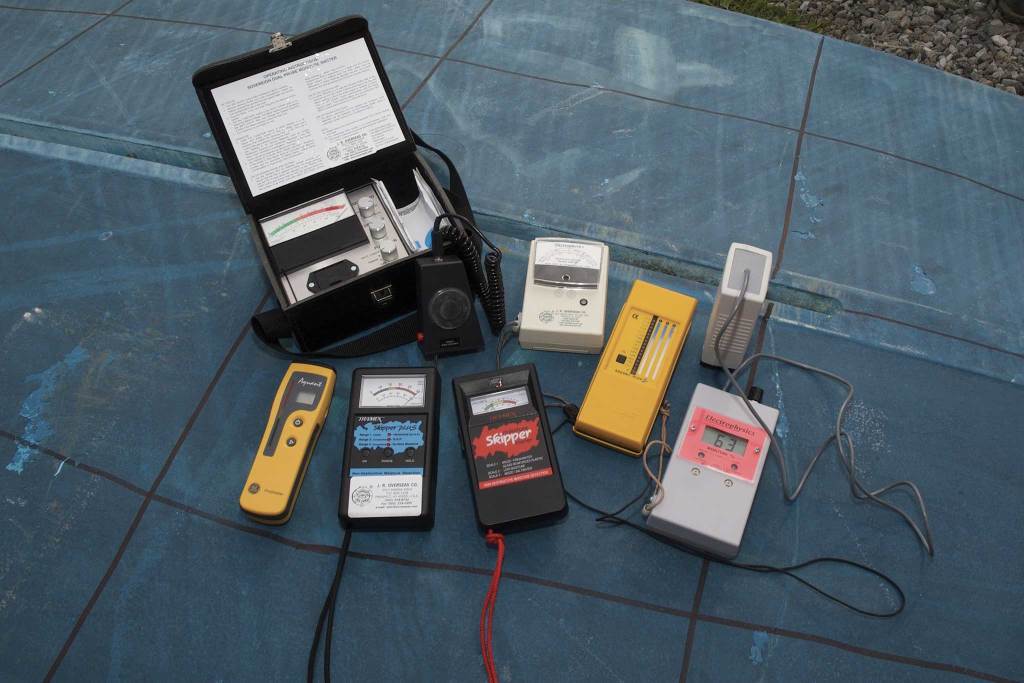
Most surveyors today also carry a moisture meter, a gadget invented to measure the moisture content of wood, but one that also works on fiberglass laminates, with limitations. The surveyor has to know how to interpret his meter’s readings.
Several years ago I attended a SAMS continuing-education class held at a salvage yard, where surveyors were able to verify their meters by destructive means. After taking readings with a number of different moisture meters, the surveyors cut plugs out of the derelict hulls to visually inspect the laminate. Often, an area that read “dry” on the meters was actually soaking wet—so wet that water literally ran out around the hole saw when it reached the core. Some meters were consistently more accurate than others, maybe because their signals probed deeper into the laminate, reaching past the outer skin. Some were essentially useless, including one that read bone-dry solid fiberglass laminate as “wet.”
Overall, the most accurate “meter” was the hammer, used by a skilled surveyor with lots of experience and excellent hearing.—M.S.