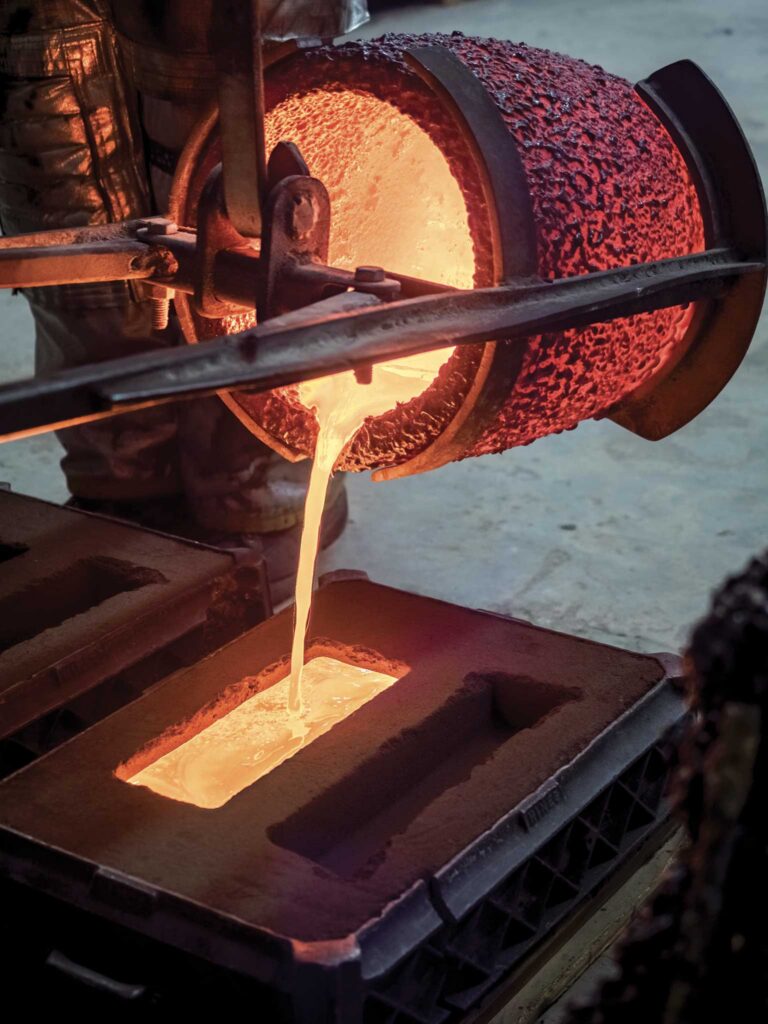
“The crucible needs to come down a bit,” Pete Langley instructed the handlers of the gantry. His crew was performing a quotidian, well-rehearsed routine—a slow dance by men in hard hats and silver firefighting suits—at Port Townsend Foundry in Washington state.
Apprentice Josh Lillard Gosiak gently tilted the vessel and the 2,000-degree liquid silicon bronze that it held toward the sprue of a casting mold made of olivine sand. One by one, he poured two rows of similar molds containing the patterns for different parts. Then he emptied the excess bronze into ingot molds, where it cooled and solidified for later use.
Dieter Loibner
Silicon bronze (also called Everdur or 95-4-1 for the percentages of copper, silicon and manganese in its composition) is Langley’s favorite alloy. Not just because it implies a link to Paul Revere, who supplied copper nails and sheathing to the young U.S. Navy, but because of its forgiving nature in the casting process, the ability to remelt it and, above all, its high corrosion resistance as long as the alloy’s composition is maintained.
“As we know from going to sea, crap breaks if it’s not made right,” Langley, who is 67, says with a laugh.
Dieter Loibner
The Revenge of Analog
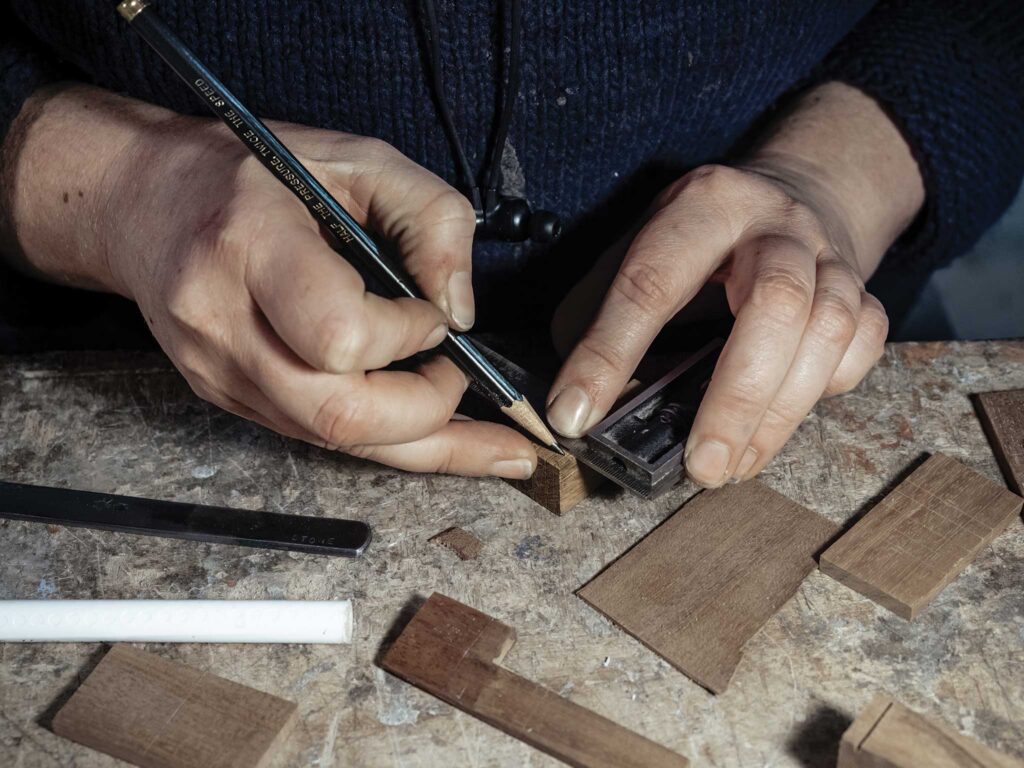
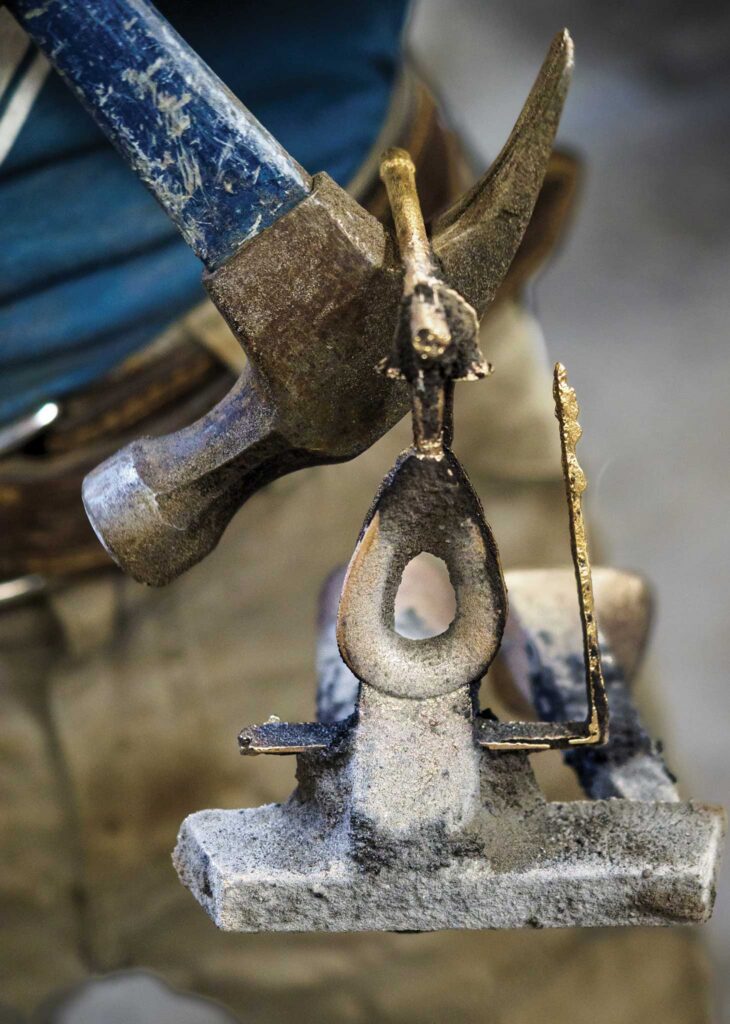
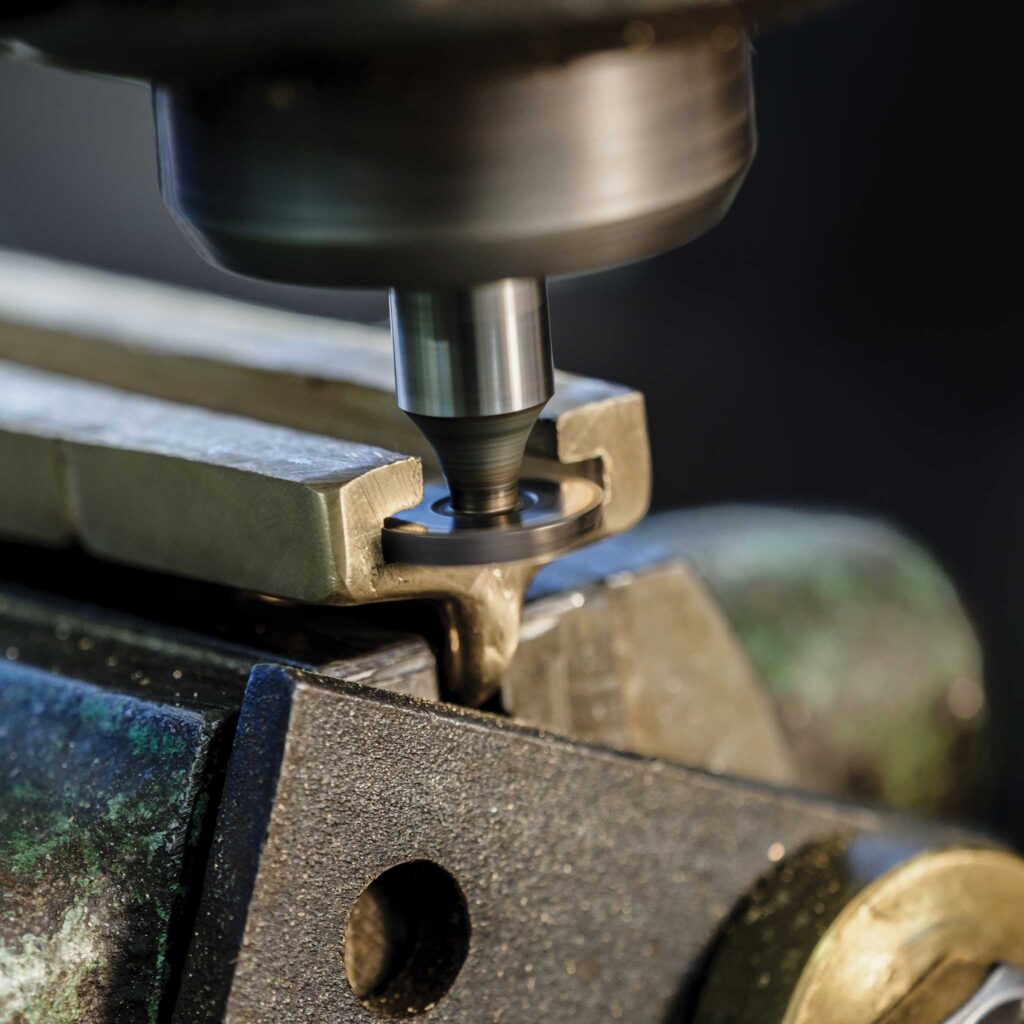
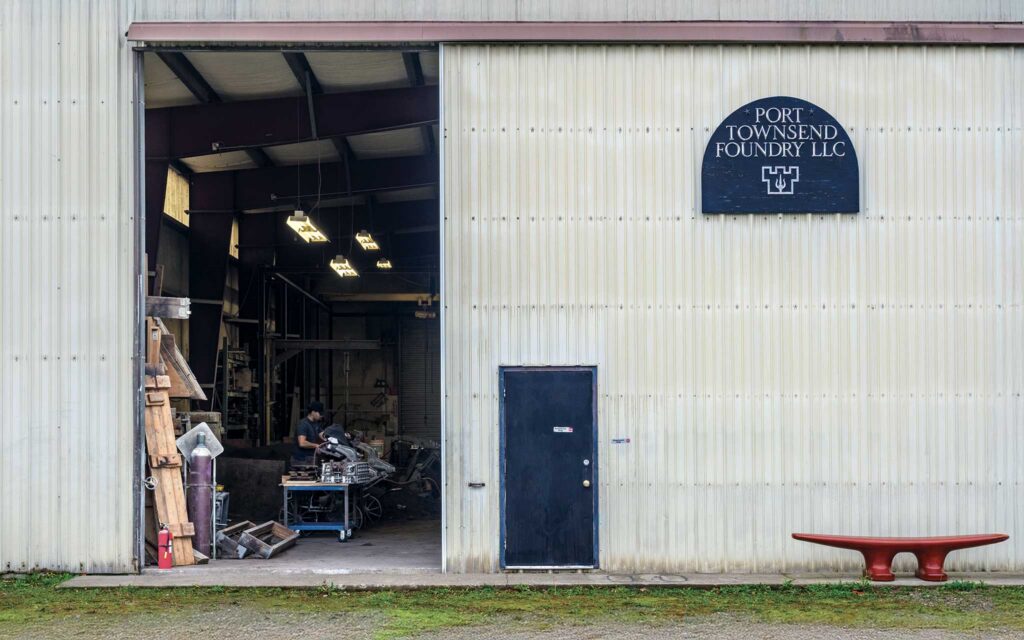
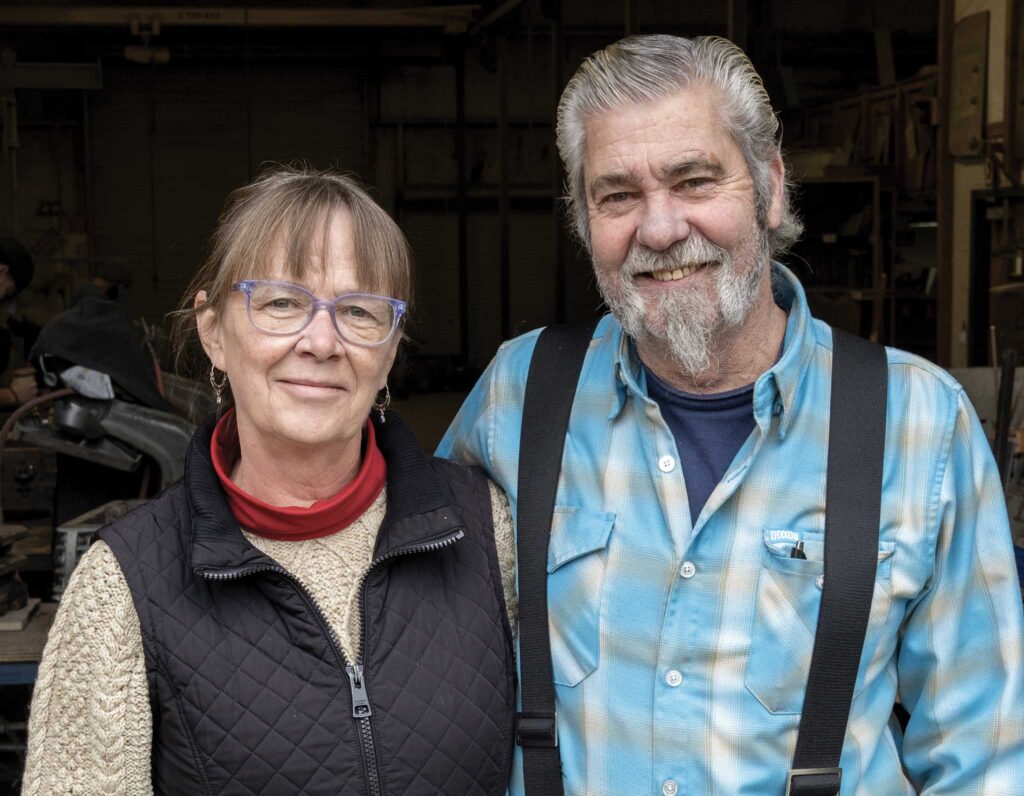
In the age of artificial intelligence and advanced robotics, watching people produce bronze parts with skilled manual labor is unapologetically retro. Design, patternmaking, casting, sandblasting, grinding, machining, polishing and quality control—everything they do requires the human touch, just as the process has required for 5,000 years. A focus on small batches and custom parts defines this business, which Langley started in 1983. He runs it with his wife, Cathy, who is 61.
“Who can teach AI if nobody knows how to make things?” asks Langley, whose grandfathers were inventors and aviation pioneers, and whose father served as a mechanic on the carrier Saratoga in World War II.
Dieter Loibner
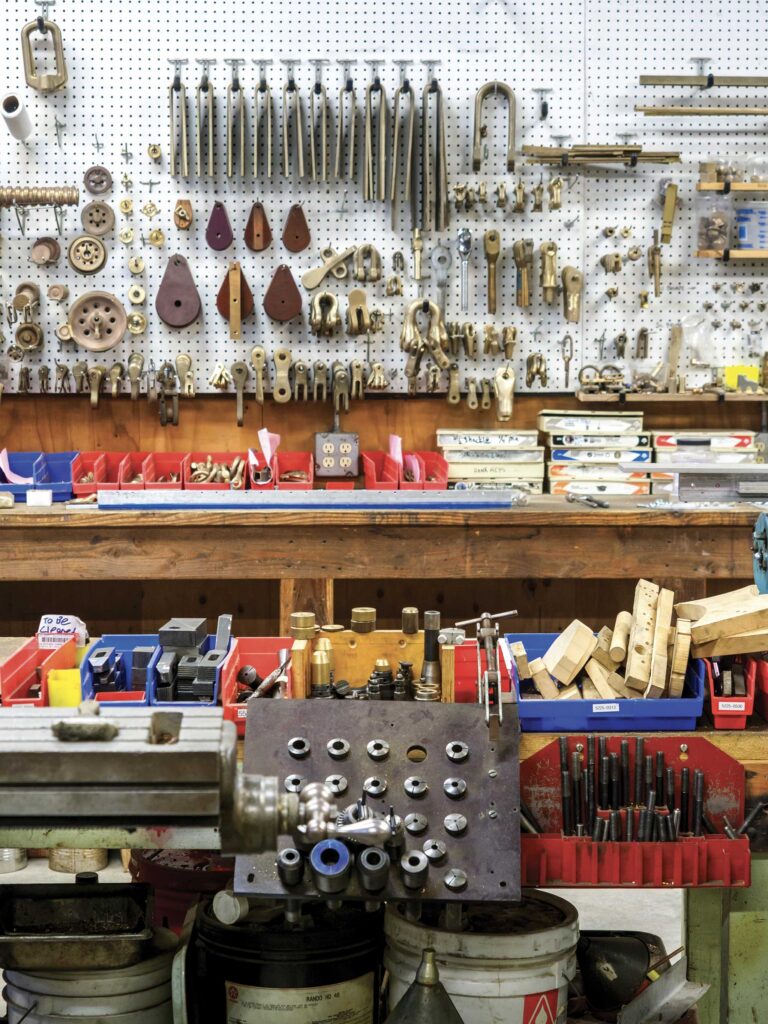
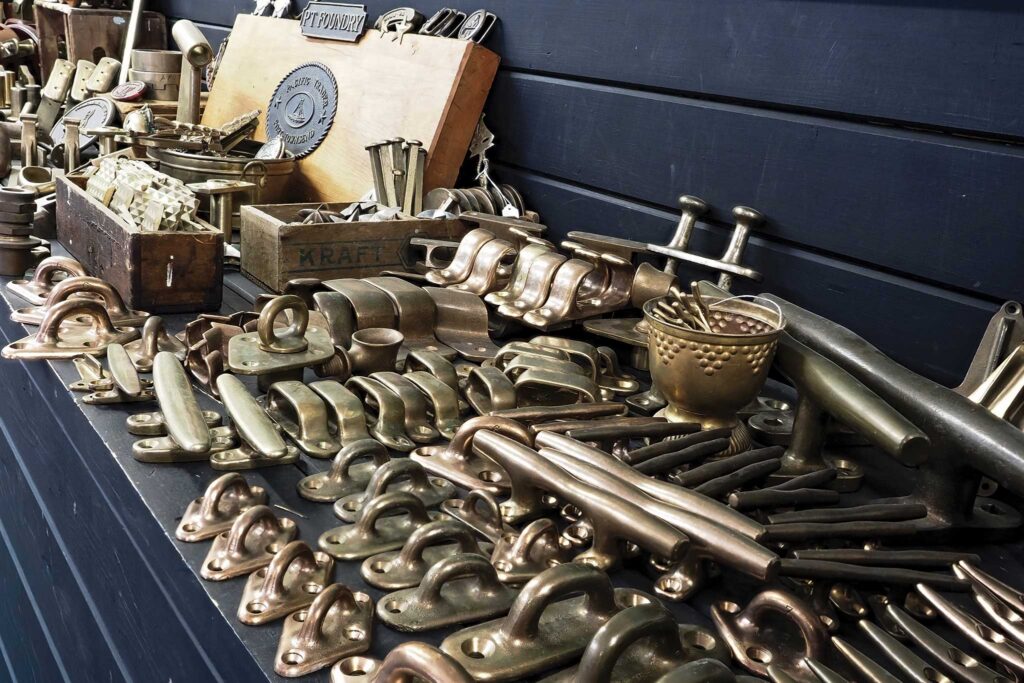
In the company’s casting room, the patternmaking loft and the machine shops, hundreds of standard marine hardware parts are made, finished and assembled. On occasion, the foundry works with 3D-printed models, Langley says, but also is home to 35,000 to 40,000 legacy patterns, including from Rostand Manufacturing Co. in Milford, Connecticut. The ability to produce parts from existing patterns is an important asset for refits and restorations that often need hardware that’s been out of production for decades or longer.
“Not just having a foundry, but having Pete and Cathy is a huge benefit,” says Robert D’Arcy, boatbuilder and captain of the schooner Martha. He has known the Langleys for 25 years. “All of the hardware we need is custom. The vessels we are restoring had hardware designed and built for a one-off or class of yacht.”
A steady stream of boatbuilders, designers, riggers and private clients drop by the foundry office to inquire about technical details and delivery dates. Seasoned project managers who know the foundry business are keen to order cast parts early, but it’s a different story with a younger Canadian couple who came in to pick up chainplates for a boat they plan to cruise to Mexico. “It took me a year and a half to cultivate that sale,” Langley says with a chuckle, knowing all too well how long it can take from the first call to the final check.
Dieter Loibner
Other long-term projects include making portholes for the restored battleship Texas, the last of the dreadnaughts, which is on display in Galveston, Texas. Or producing jib hanks for the Coast Guard cutter Eagle and fids for its crew. The foundry staff personally delivered them on a stopover in Seattle last summer and received a special tour of the ship.
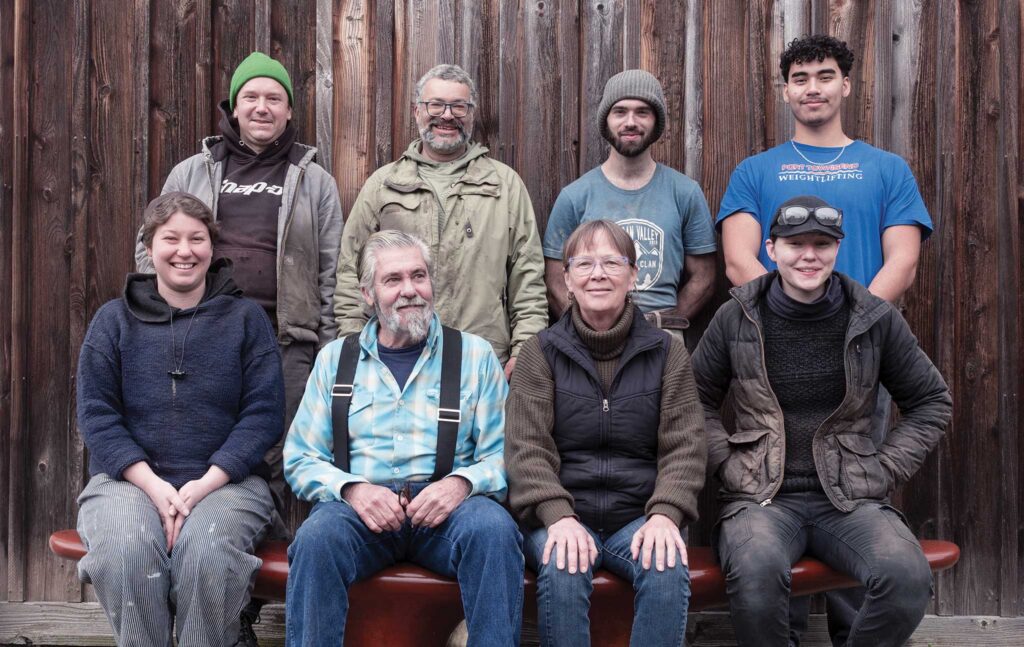
These employees range in age from 18 to nearly 60. They tell me that many paths and predilections led them to the Port Townsend Foundry: starting a career in the trades, rehabbing old parts made here decades ago, applying woodworking skills to patternmaking, or simply the love for craftsmanship and creative expression. All of them rotate job roles to learn various aspects of the craft.
Dieter Loibner
Remembering the Departed
Cast sand dollars and oysters in the office wait for their place in the foundry’s next art project: helping to create a mariners’ memorial. “It’s a personal passion, as I was raised around boats and the ocean,” Langley says, adding that Port Townsend needs a place to gather and remember those who went to sea and did not return. The port put up $50,000 of seed funding, which he hopes to double with donations.
Design details are still fluid, but he plans to combine a beach scene with an underwater world, connected by an arch of cast bull kelp across the footpath. Funds permitting, he says, there also could be statues of Neptune and a mermaid sitting on one of the foundry’s trademark cleat benches.
Langley himself is no stranger to tragedy, having lost a sister in a car accident. He also fought through a harrowing boat passage at the age of 4. In October 1962, he was with his six elder siblings and their parents aboard the family’s 75-foot motoryacht Catalyst when they found themselves in the teeth of what became known as the Columbus Day Storm. It laid waste to stretches of the West Coast, killing dozens of people and injuring hundreds more.
“We were 90 miles off Cape Mendocino as the storm was coming in, and the steering cable broke inside its galvanized pipe,” he says. His father, Pat, cut through various points of the pipe with a fire ax to locate the break. He then spliced the cable to regain some steering, even though that limited Catalyst, forcing the boat to run in circles.
“We were rolling in the troughs for days,” Langley says. “All the antennas on the masts were thrown off the boat because it rolled so far that the anchor fell overboard. I was tied up under the galley table with one of my brothers and sisters. We had survival rations and wore life jackets. We had everything ready to go in case we had to abandon ship.”
Luckily, it did not come to that, and Catalyst picked up a tow from the Coast Guard into Morro Bay, California. It’s a wild story that ushered in Langley’s travels at sea, which caused him to start school late but also taught him a great deal about boats, places and people.
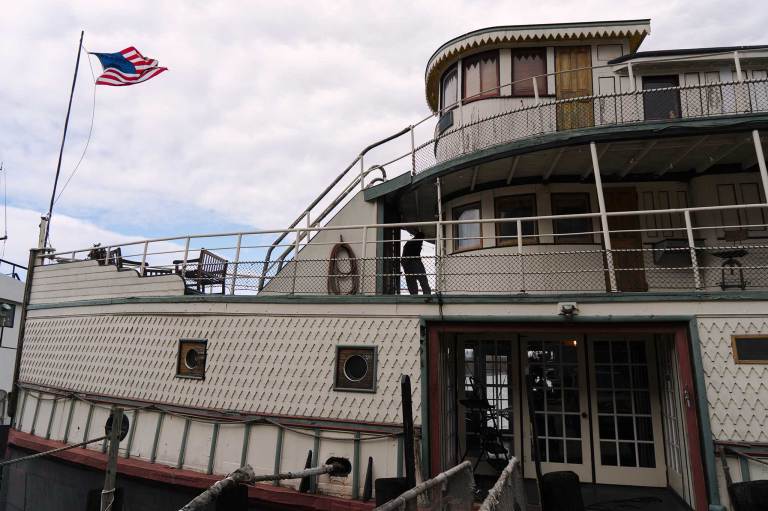
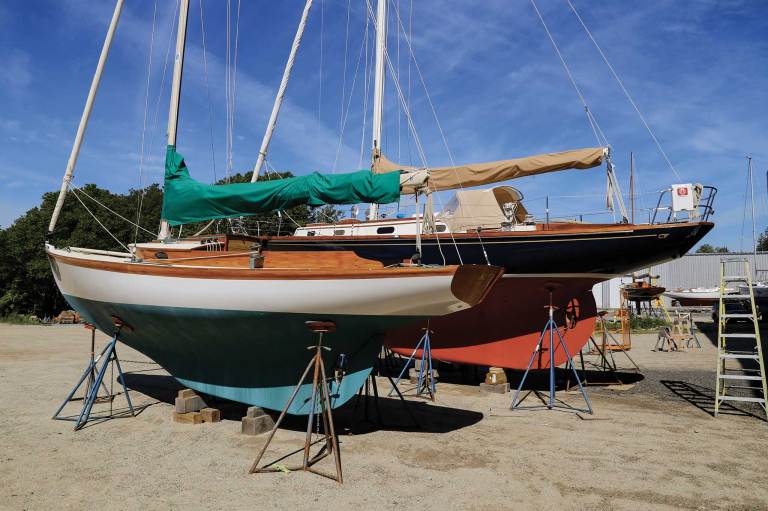
Back in the here and now, running a business and serving on multiple boards, Langley hasn’t done much sailing recently, except for occasional stints on Martha, which is a floating showcase of the Port Townsend Foundry’s work. That might change once his Luders-built Six Meter Indian Scout (once owned by two-time Olympic gold medalist Herman Whiton) is restored.
Dieter Loibner
The Future is Now
The Langleys’ chief concern remains the foundry and its future in a rapidly changing world. There’s no individual who can replace the knowledge, skills and experience that Pete Langley brings to bear every day. “I’ve been doing this job for 42 years, and there are still orders I can’t take because I don’t have his boating background,” Cathy Langley says. “There’s a lot of hidden knowledge just to get an order on the books.”
Dieter Loibner
Pete Langley adds: “We’re loose molding or match-plate molding on 1950s machines, one mold at a time.” His goal is to preserve that small-business DNA while adding capacity and boosting efficiency. He has considered adding a small digital printer, but he’s not bullish on automated molding machines. Instead, he acquired two used CNC milling machines that can hold 20 tools and a CNC lathe, but those are waiting to get connected to three-phase power.
So for the foreseeable future, Port Townsend Foundry will continue to use skilled humans who do a slow dance in hard hats and silver suits and adjust the crucible’s position while casting sturdy and elegant marine hardware.
This article was originally published in the March 2026 issue