For many boaters, a tender is an indispensable sidekick—a jack-of-all-trades that ferries passengers, hauls groceries and zips ashore for trash runs. But with so many options on the market, choosing the right one can feel overwhelming. From hull materials to storage logistics, the ideal tender is the one that fits your needs—and your boat. Here are a few essential factors to consider when choosing the right tender.
1. Determine the Tender Type That Suits You
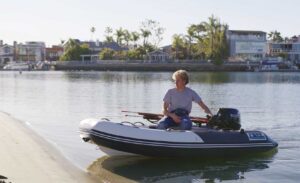
The first decision is choosing between a hard dinghy, an inflatable, or a RIB (rigid inflatable boat). Traditionalists may lean toward hard dinghies like the Dyer Dhow, which row well and offer optional sailing rigs. But inflatables and RIBs provide greater stability, increased payload, and built-in fendering—making them better suited for bumping against a mothership. RIBs are especially popular for their performance and versatility. They combine a solid hull (typically fiberglass or aluminum) with inflatable tubes and are available in both console and tiller-steered versions.
2. Think About Stowage
Before you fall in love with a tender, figure out how you’ll stow it. Hanging it from davits? Securing it on deck or on a swim platform? Sliding it into a garage? Stowage requirements will affect what size and type of tender you can manage. For example, aluminum-hulled RIBs with fold-in transoms can reduce overall length, which is valuable for tight garages or deck storage. If space is extremely limited, consider a roll-up inflatable with an air or aluminum floor that fits into a bag.
3. Pick the Right Construction Material
Inflatable tubes are made from either Hypalon (also called CSM) or PVC. Hypalon is more UV-resistant and durable—ideal for tropical climates—but heavier and more expensive. PVC is lighter and more affordable but vulnerable to sun damage. If you boat in northern climates and store the tender properly, a high-quality PVC tender can be a great value. Always choose welded seams for PVC boats. For Hypalon, glued seams are the standard and perform well when built by a reputable manufacturer.
4. Consider Power Options—Including Electric
Most tenders need a small outboard, and electric motors are an increasingly practical choice. Models like the 1600-watt Torqueedo Travel XP or ePropulsion’s lineup are lightweight, clean and quiet—perfect for short harbor runs. For those with power-hungry needs or larger tenders, builders like Highfield and Pure Watercraft offer electric RIBs with impressive performance and range. Just be sure your mothership can accommodate charging needs.
There’s no one-size-fits-all solution. But whether you want a lightweight inflatable that packs down in a bag or a console RIB with serious power, today’s market has a tender that’ll meet your needs.