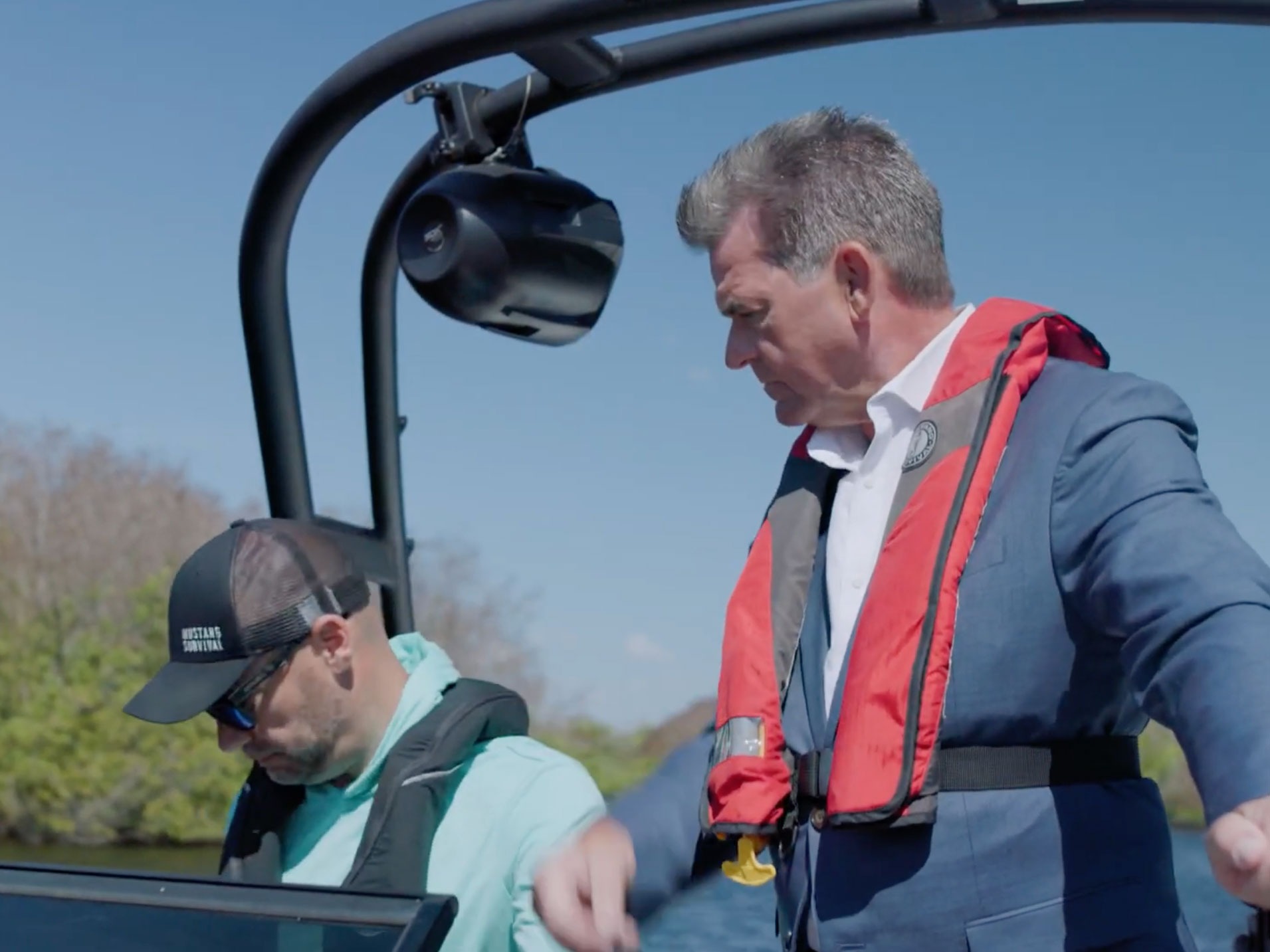
Reality Check
What the latest Coast Guard statistics reveal about recreational boating safety.

What the latest Coast Guard statistics reveal about recreational boating safety.
Presented by the U.S. Coast Guard.
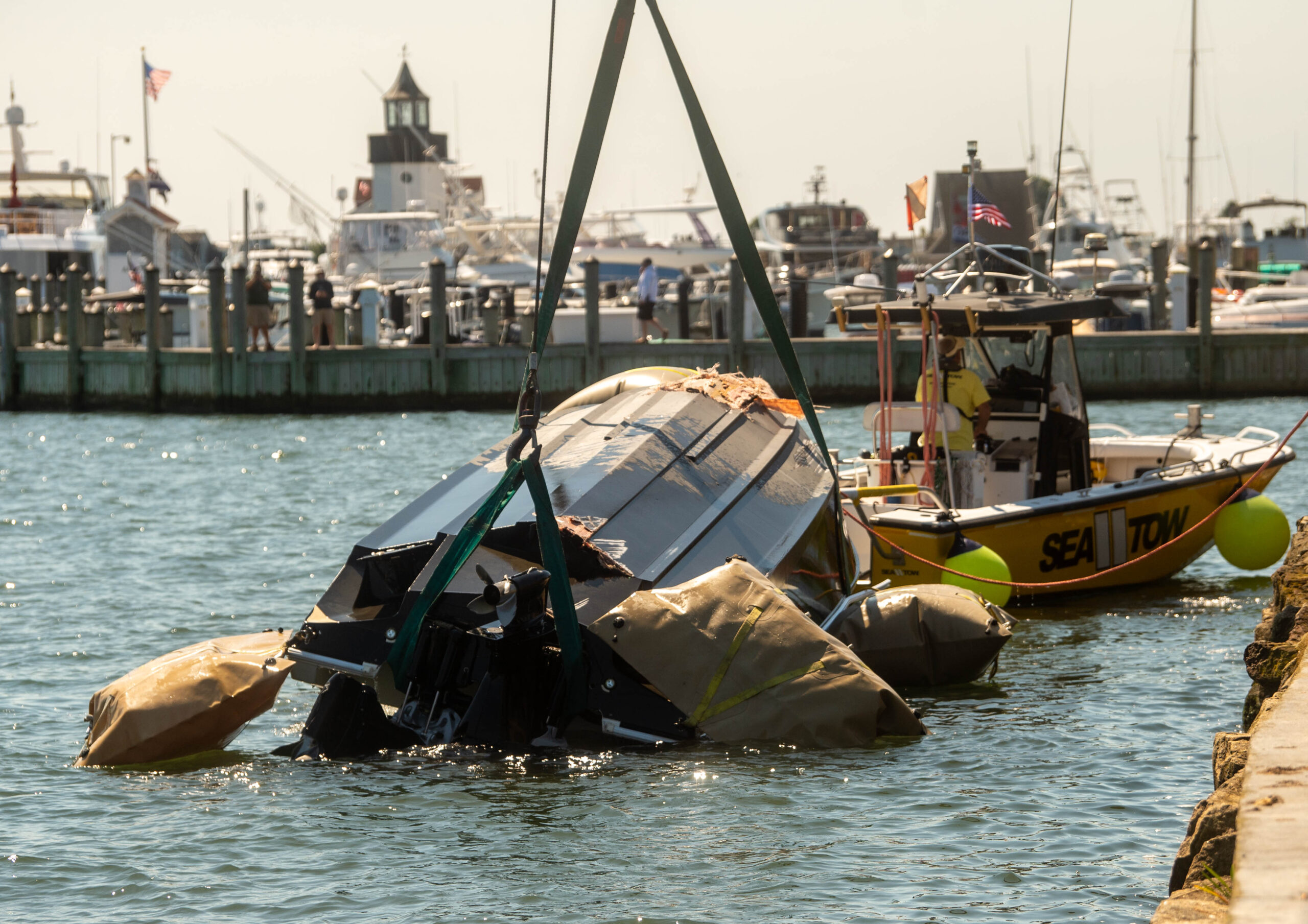
A fatal crash in Connecticut leaves locals calling for change, and officials asking boaters to respect aids to navigation
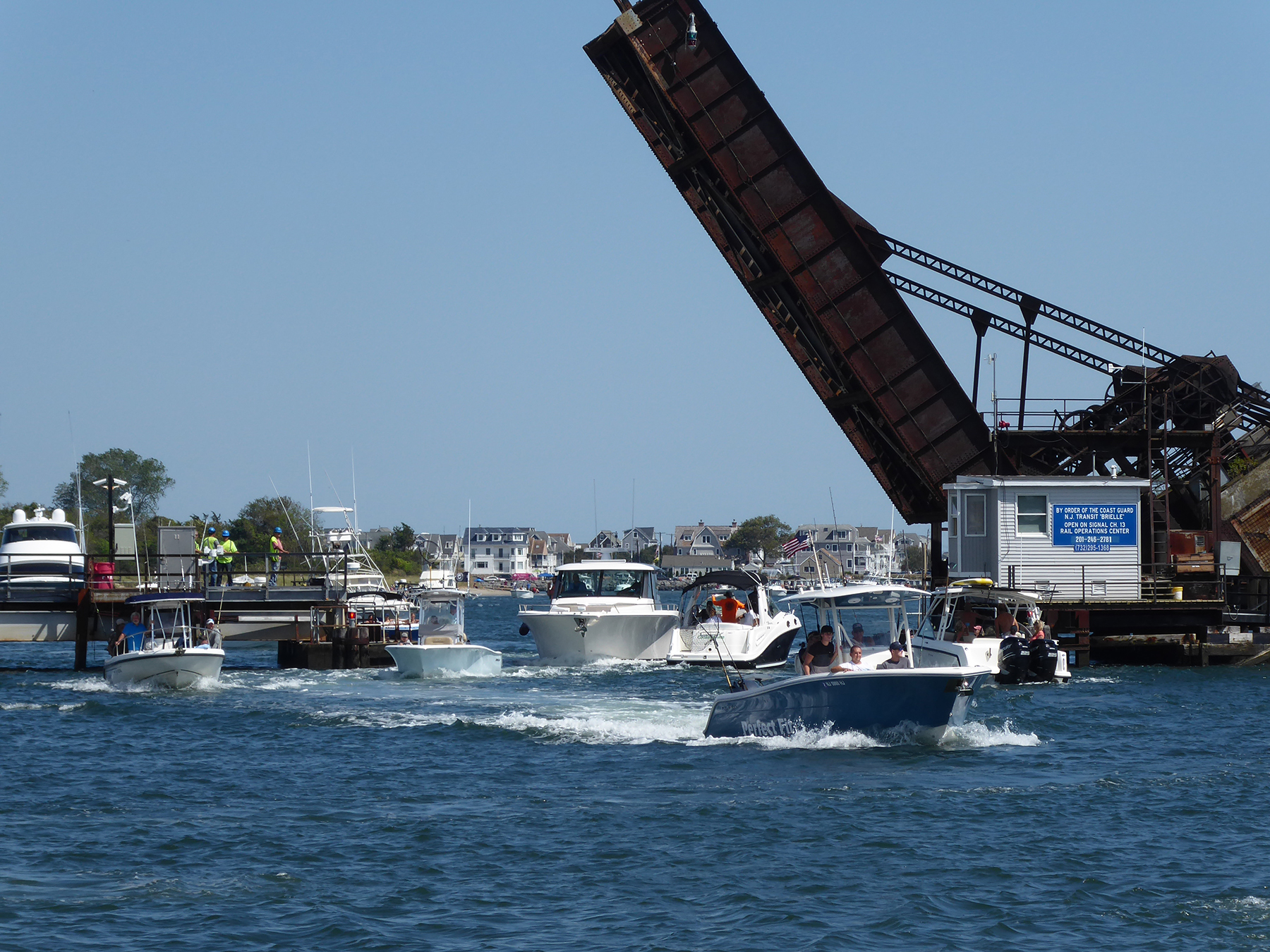
After a summer of unsafe boating practices, a winter of safety training would be welcomed.
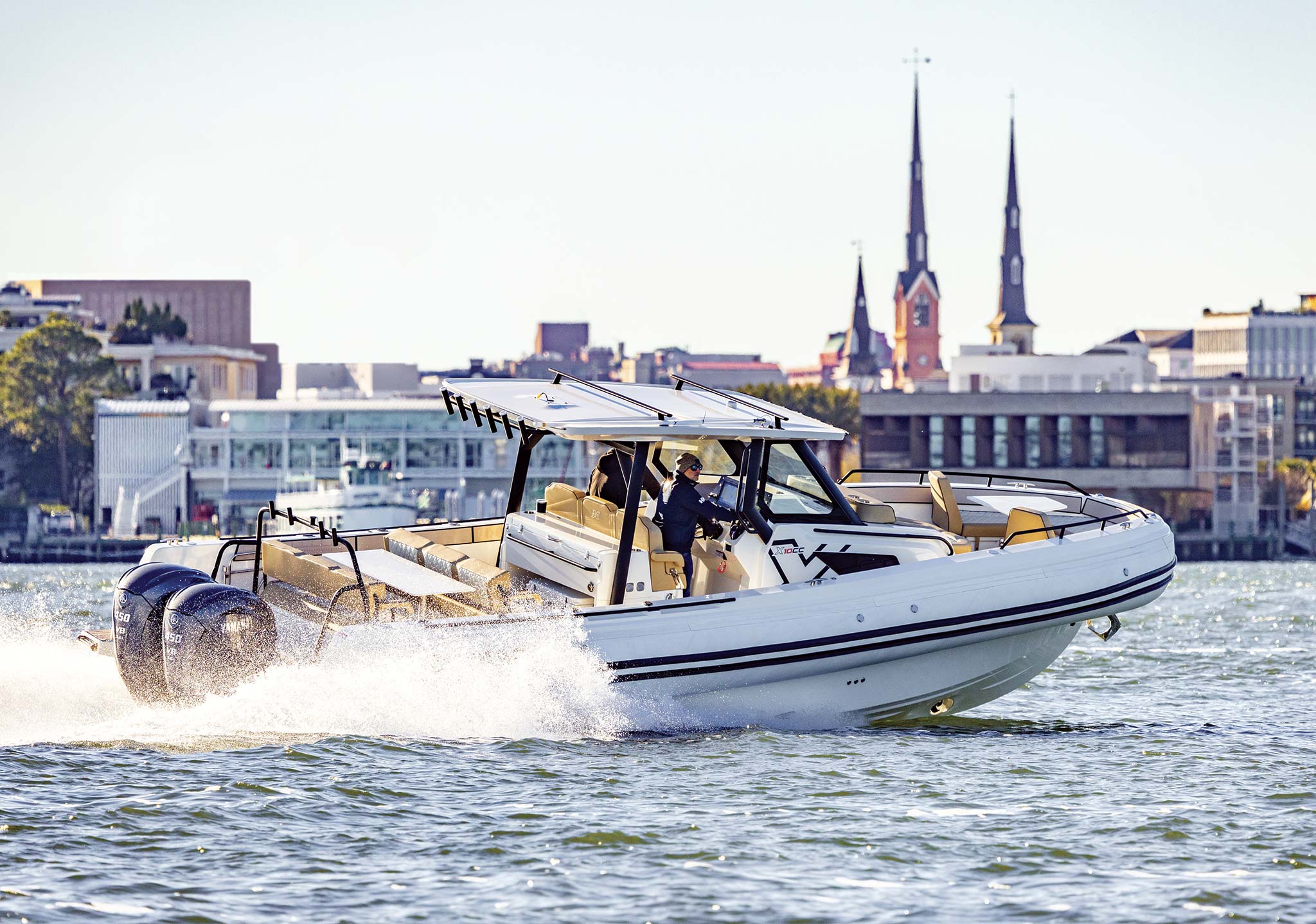
We recently published a piece called “Sea Sense” by Michael Tougias. In the story, he shared lessons about survival from boaters who found themselves in dangerous, life-threatening situations offshore.
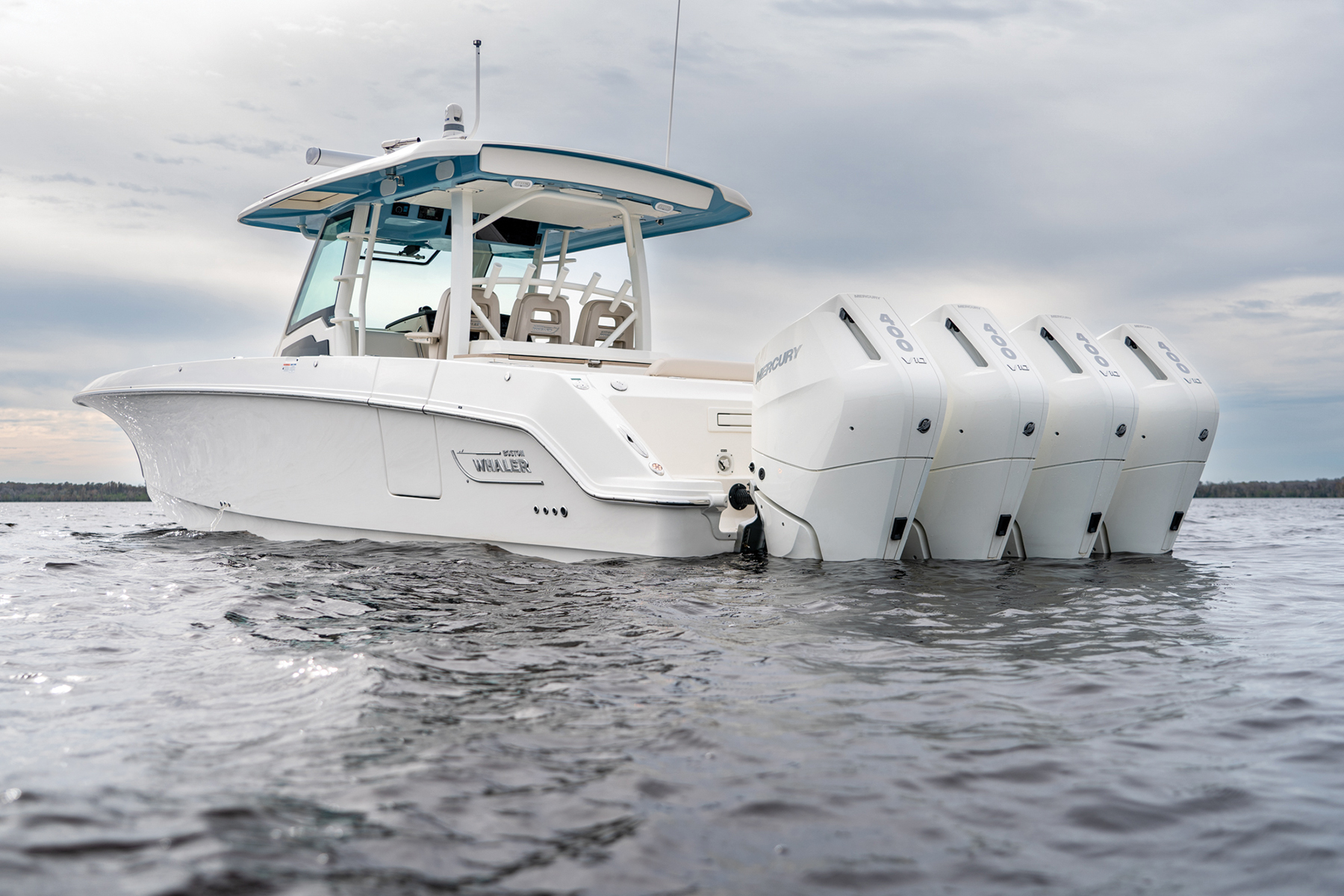
Feedback from the Soundings boating community
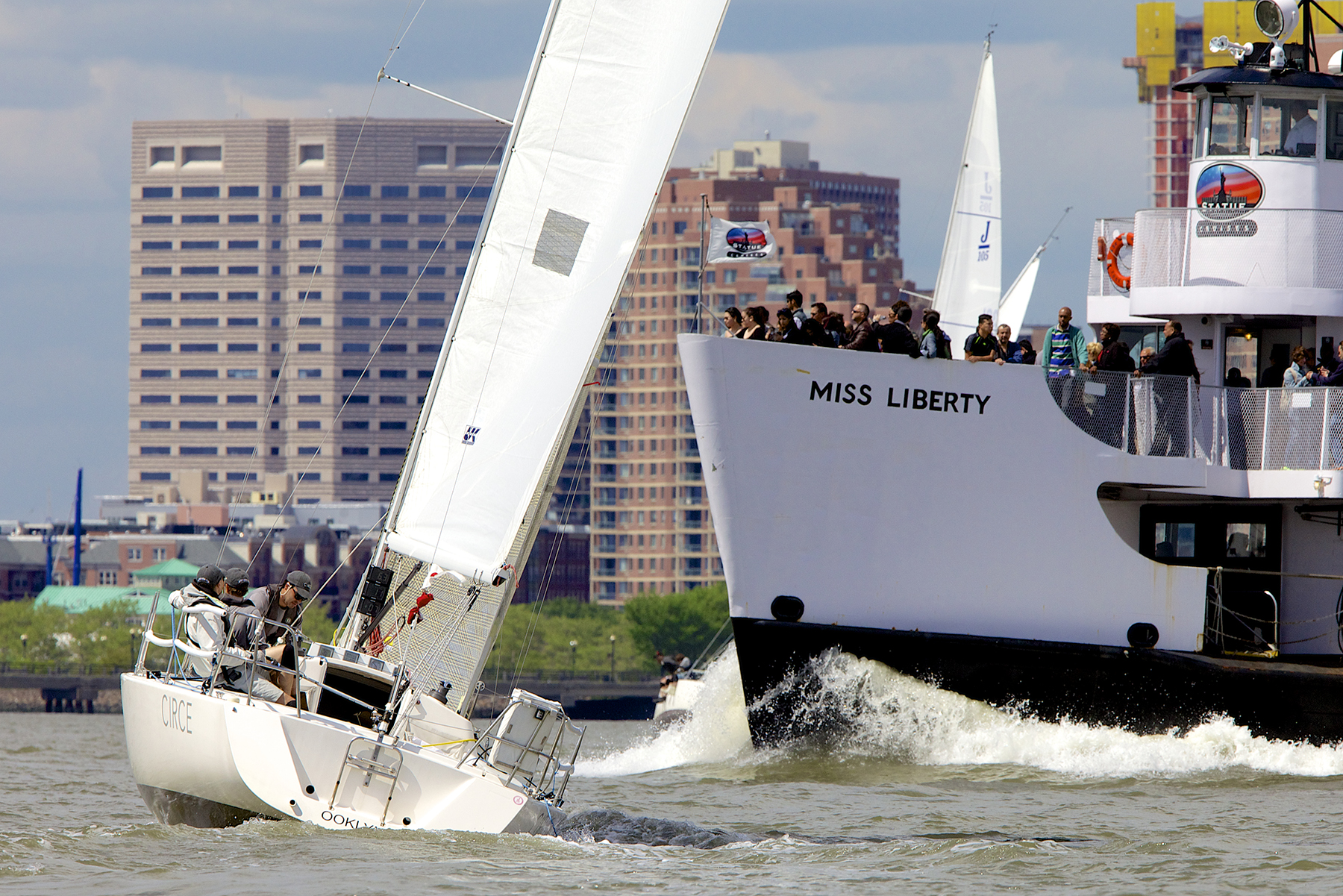
You should know the official Rules of the Road, but if you don’t, at least live by the unofficial “rule of tonnage.”
Those who have survived extreme situations offshore say it’s important to heed that inner voice when it warns you things don’t feel quite right.
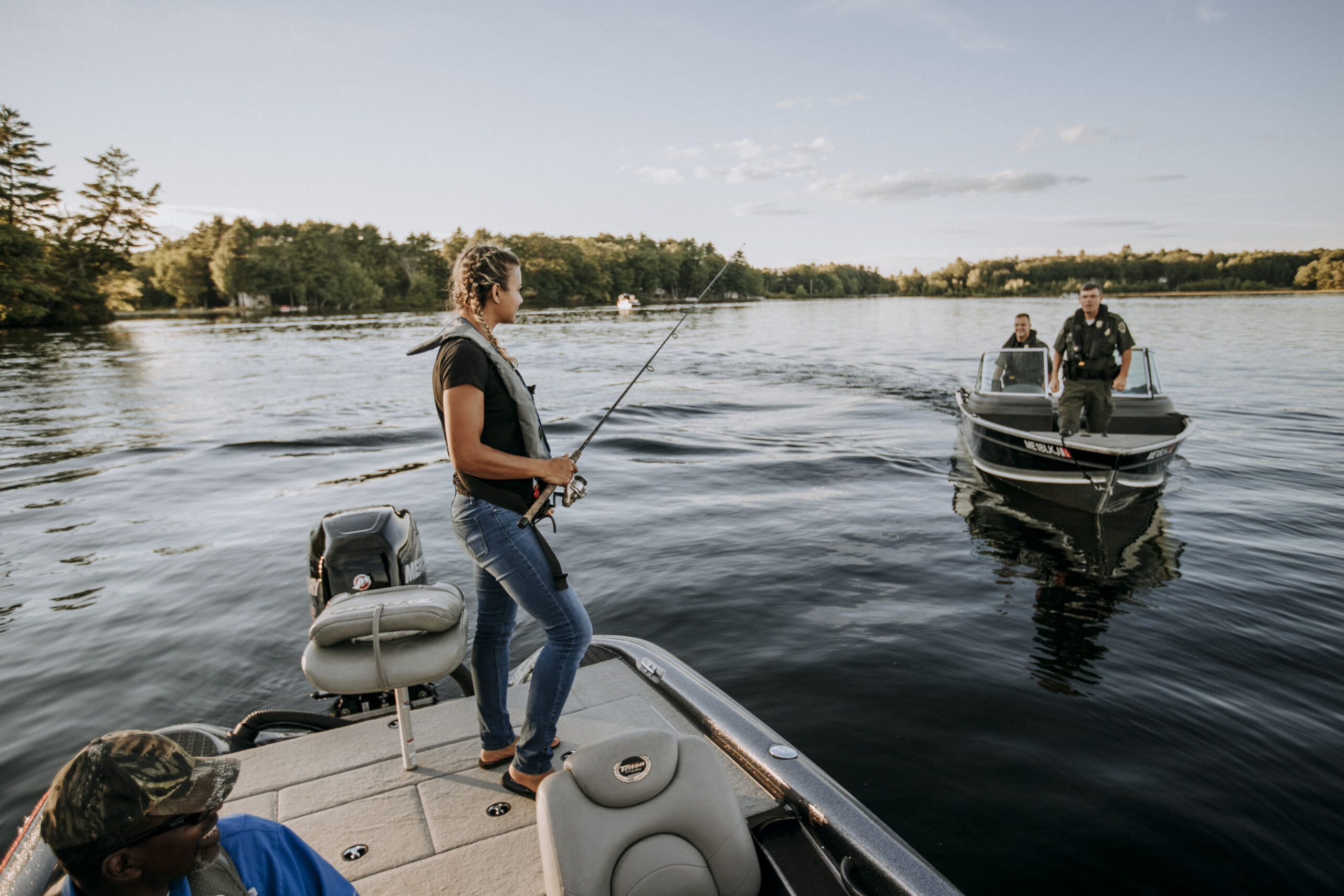
A new law in Maine suggests younger boaters ages 12-25 take mandatory boating education classes

Skills and boating manners need to be in top form for the Fourth of July holiday weekend in order to keep yourself and your passengers safe
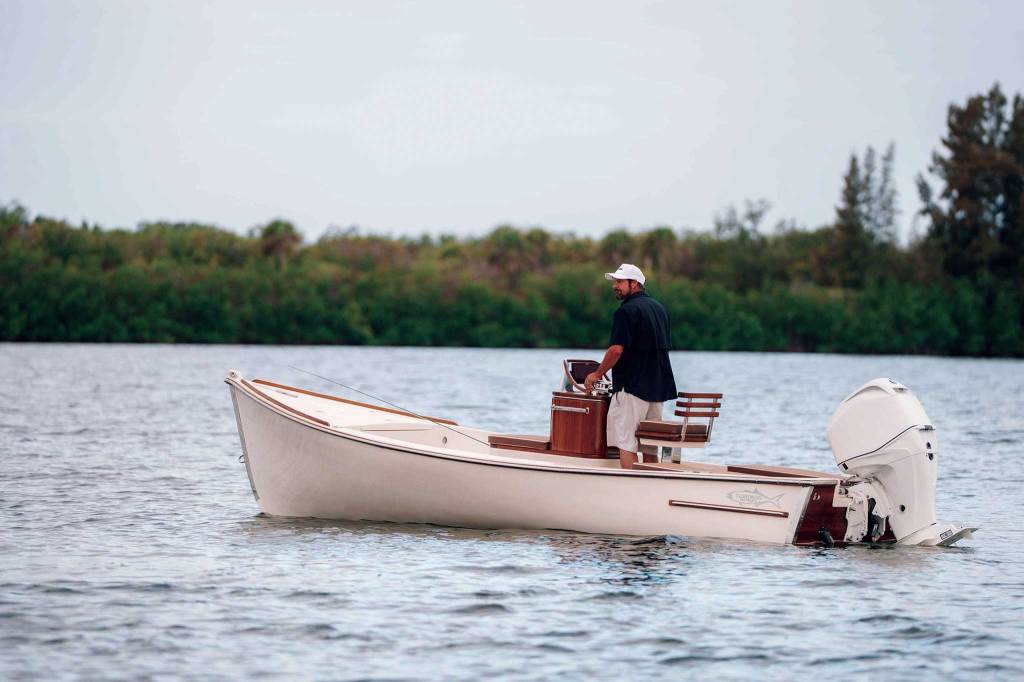
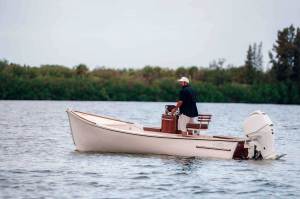
A beloved skiff is back in production, bringing a storied Martha’s Vineyard design and its enduring workboat heritage to a new generation of boaters.
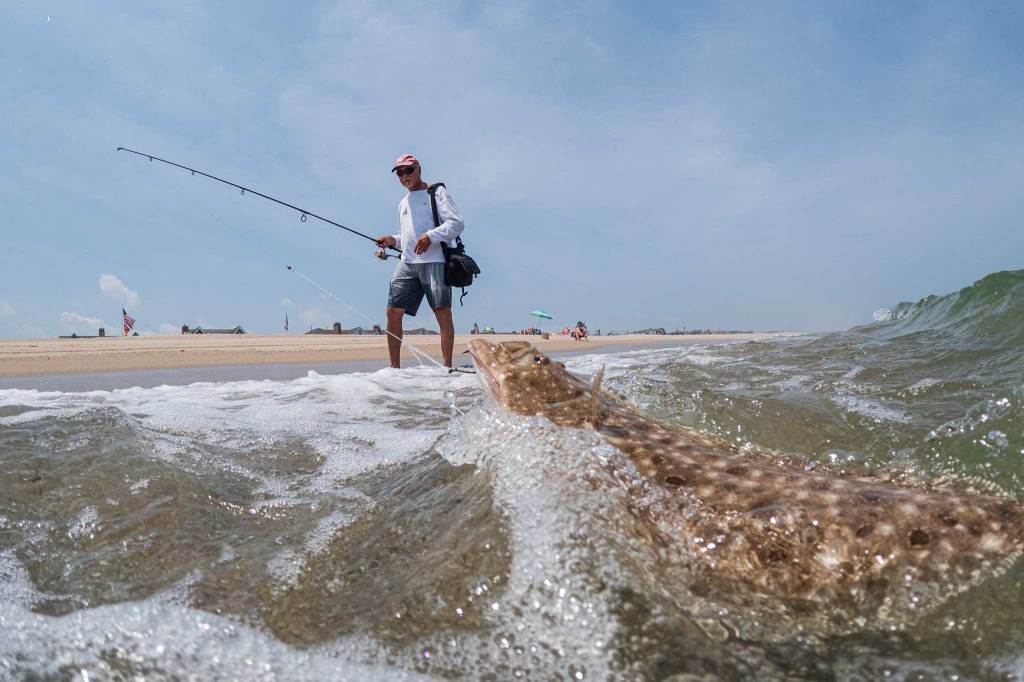
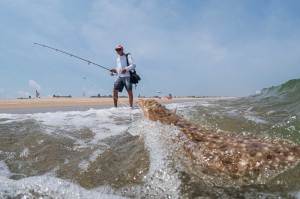
The unassuming flatfish is a remarkable hunter that anglers obsess over.
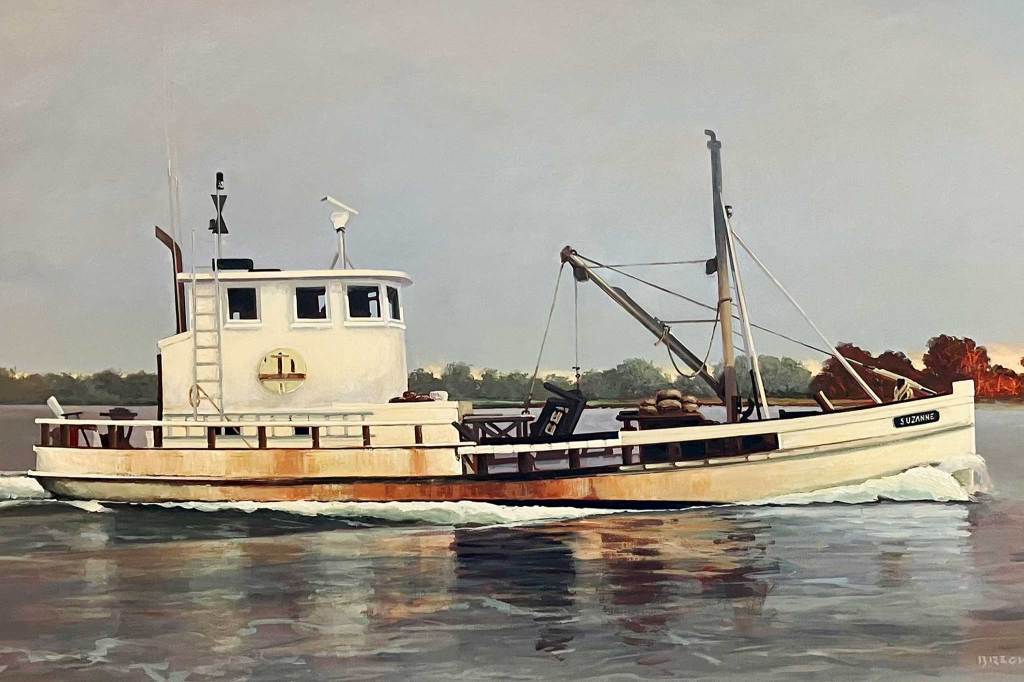
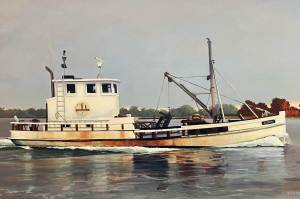
Brechin Morgan draws inspiration from a lifetime on the water, from working aboard rugged commercial vessels to sailing solo around the world in a 27-foot boat.
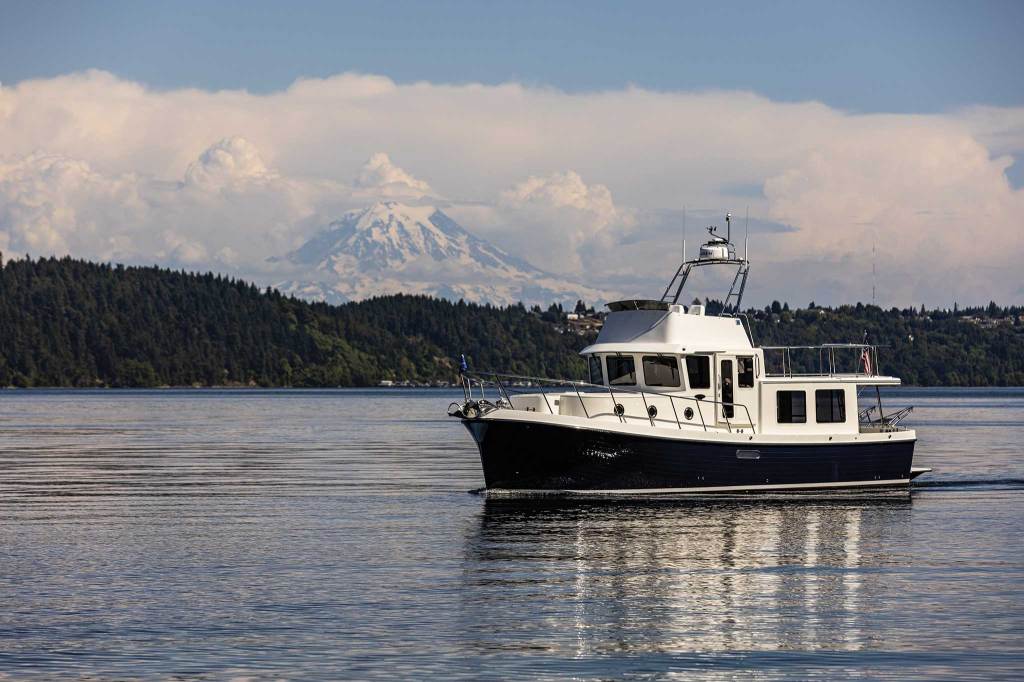
A maritime attorney offers advice for buyers who lay down deposits for new builds.
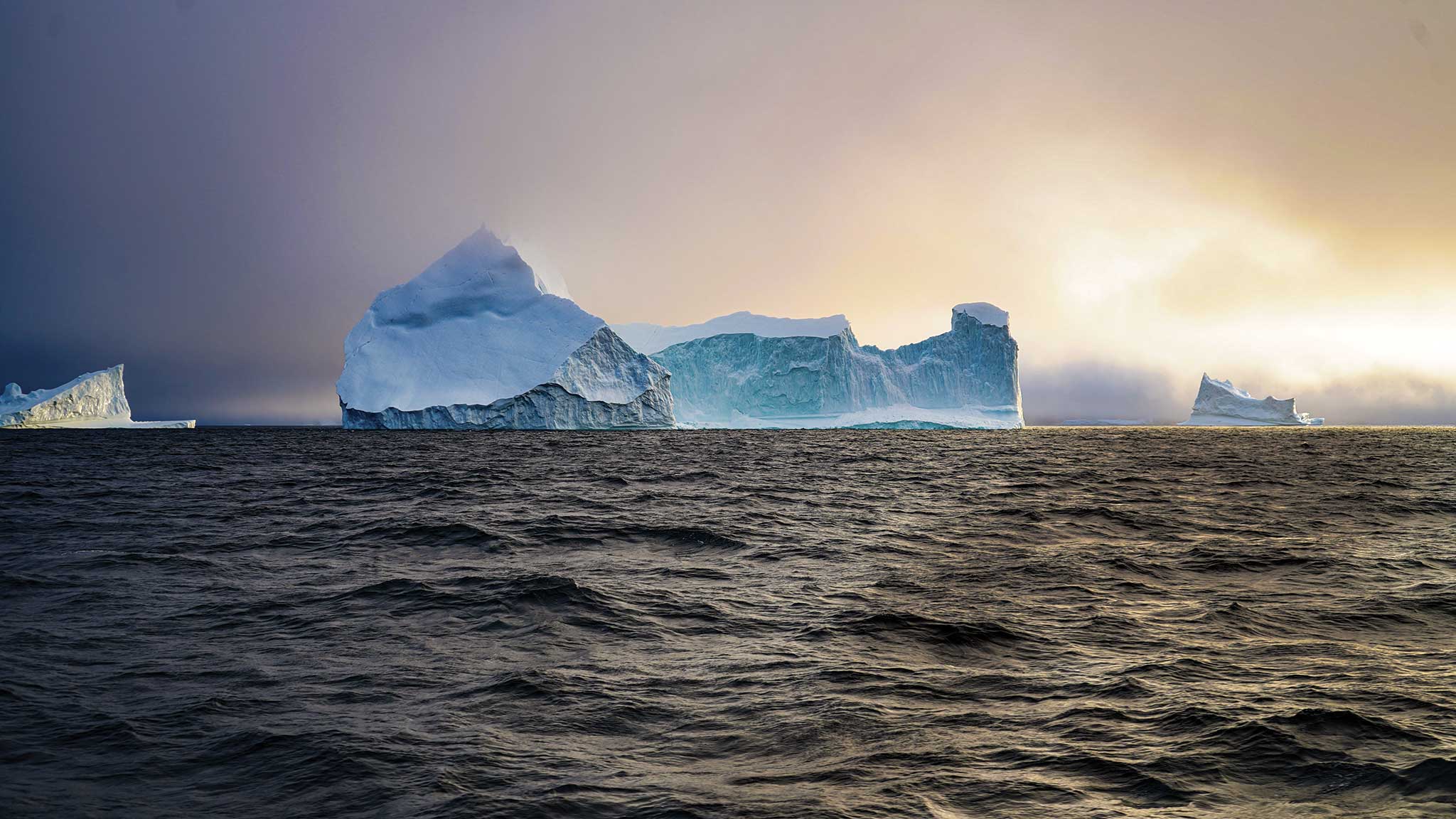
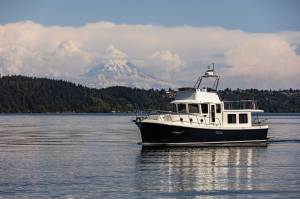
Mario Vittone’s excellent adventure from Maine to Washington on an FPB 64.
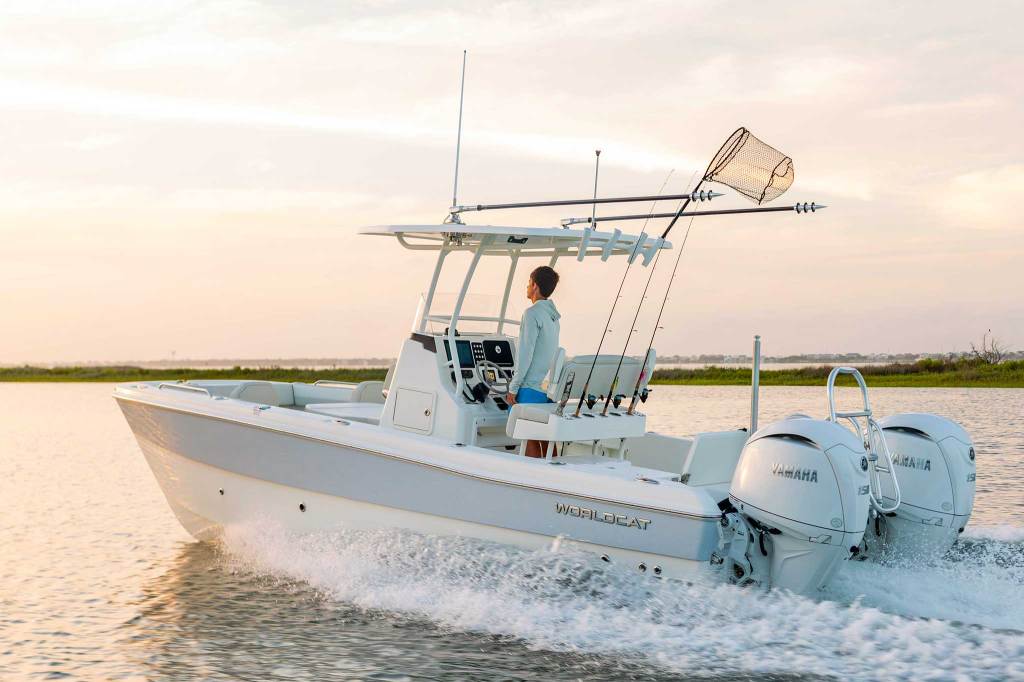
Don’t miss these new models arriving at boat shows this season.
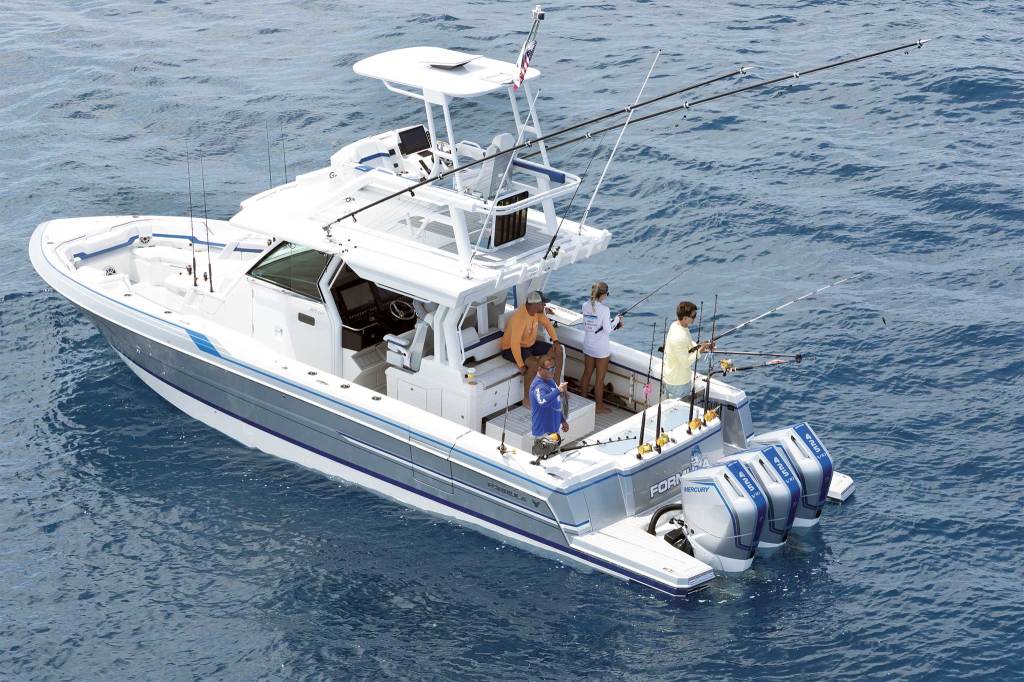
The Formula 387CCF’s upper station adds a new perspective for anglers, but it’s the boat’s ride and versatile design that steal the show.
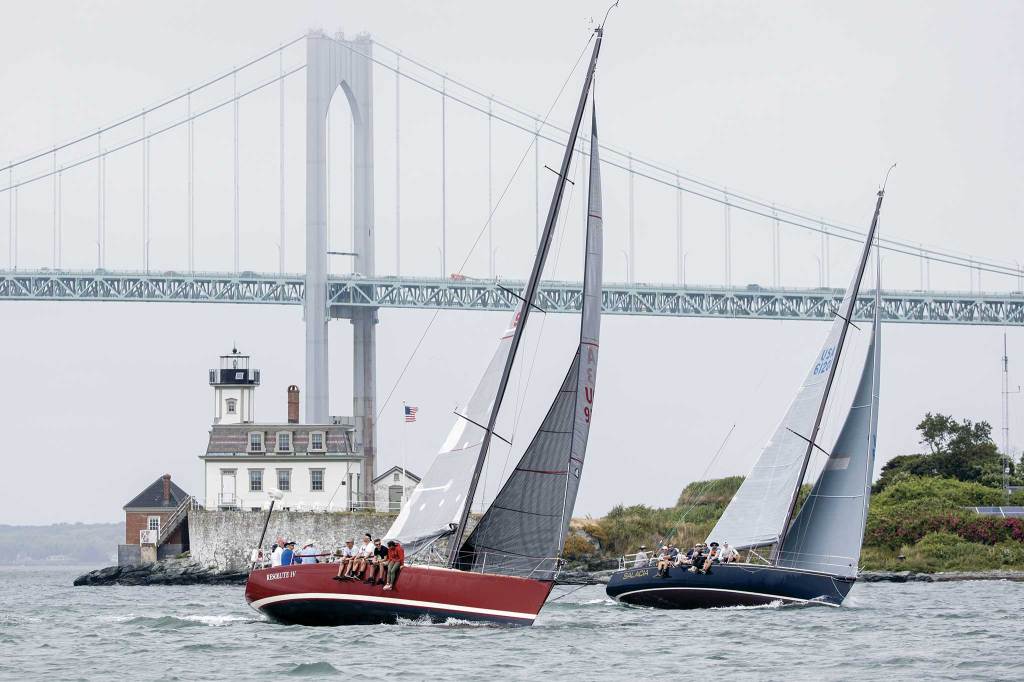
Yes, the waterfront experience in Newport has evolved in the age of megayachts, but this little city still has a lot of sailing in its heart.
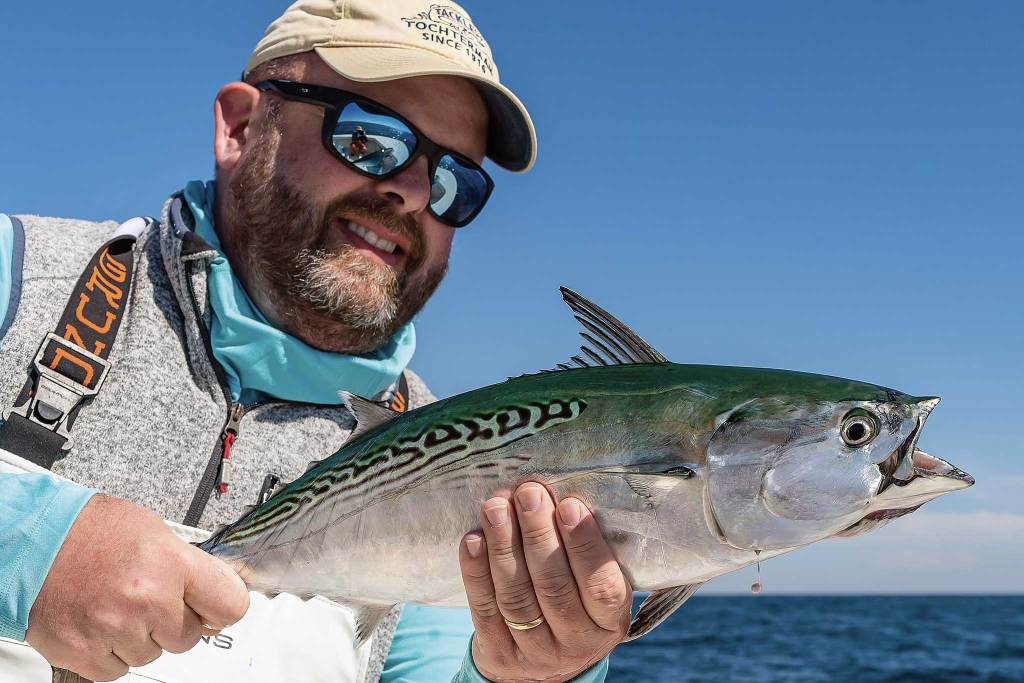
The crisp, cool days of fall bring boat shows, breezy sailing, angler fishing and peaceful anchorage.
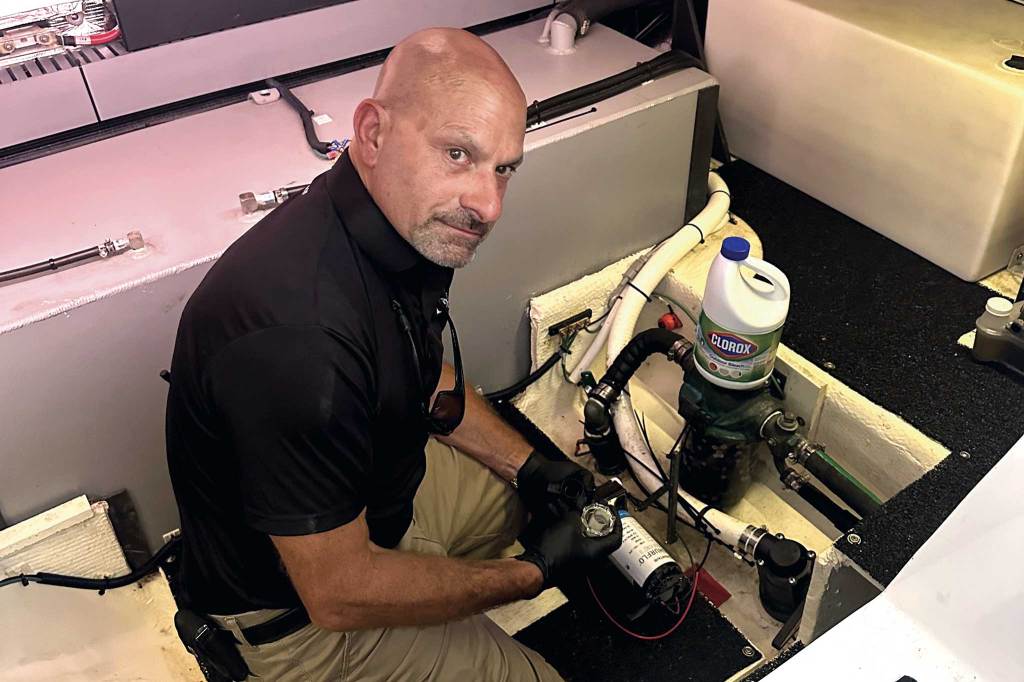
Warm weather breeds bacteria in freshwater tanks, where they create mischief with filters and pumps. Here’s how to stop them.