
Whale Detection Technology To Be Revealed at American Boating Congress
A 24-foot research vessel will be used to test the latest technologies to detect and protect whales.

A 24-foot research vessel will be used to test the latest technologies to detect and protect whales.
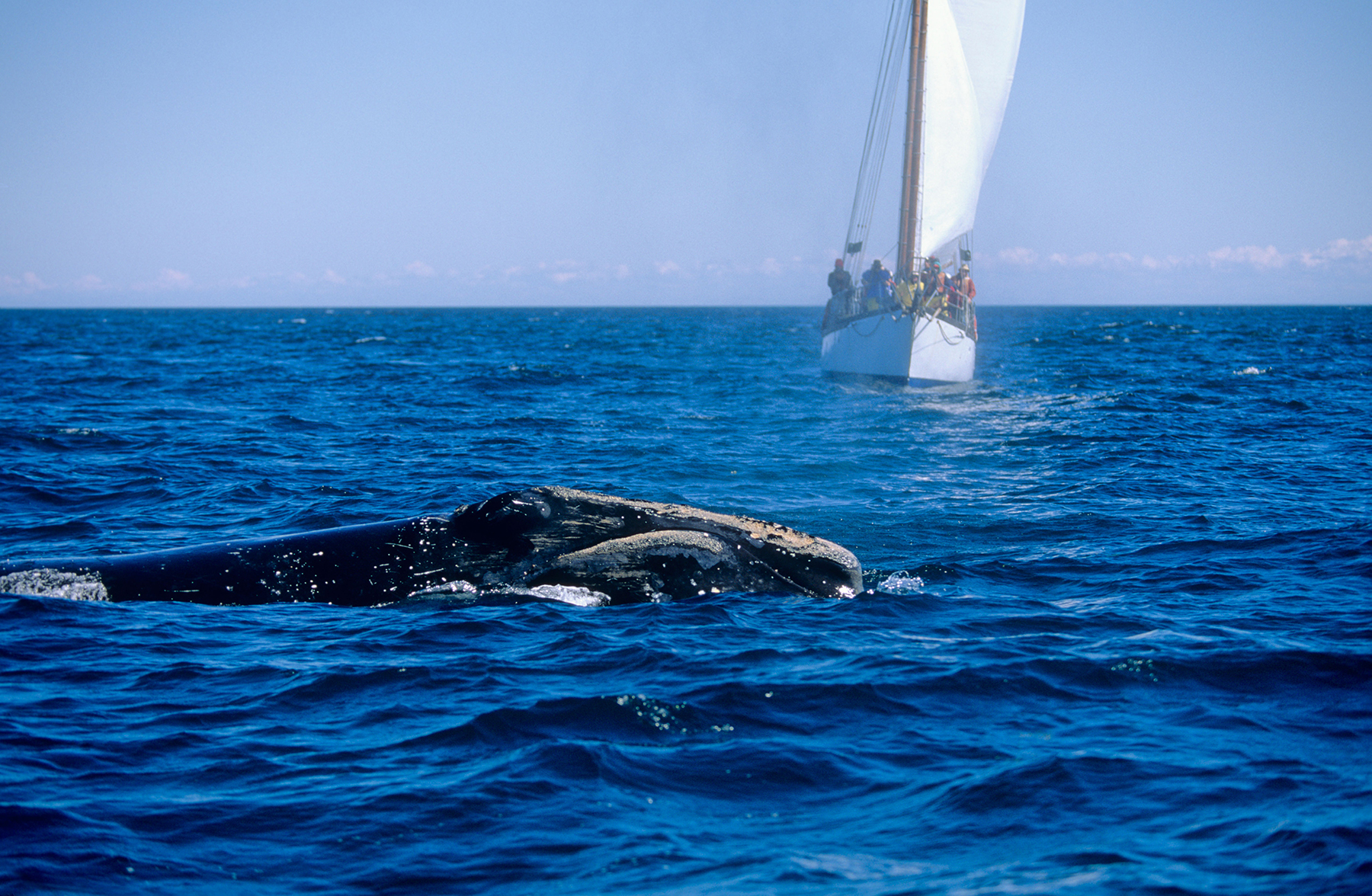
On June 6, the head of the National Marine Manufacturers Association called on Congress to fund research into the real-time technological monitoring of marine mammals, as a way to make sure 63,000 boaters from Massachusetts to Florida continue to have access to the Atlantic Ocean.
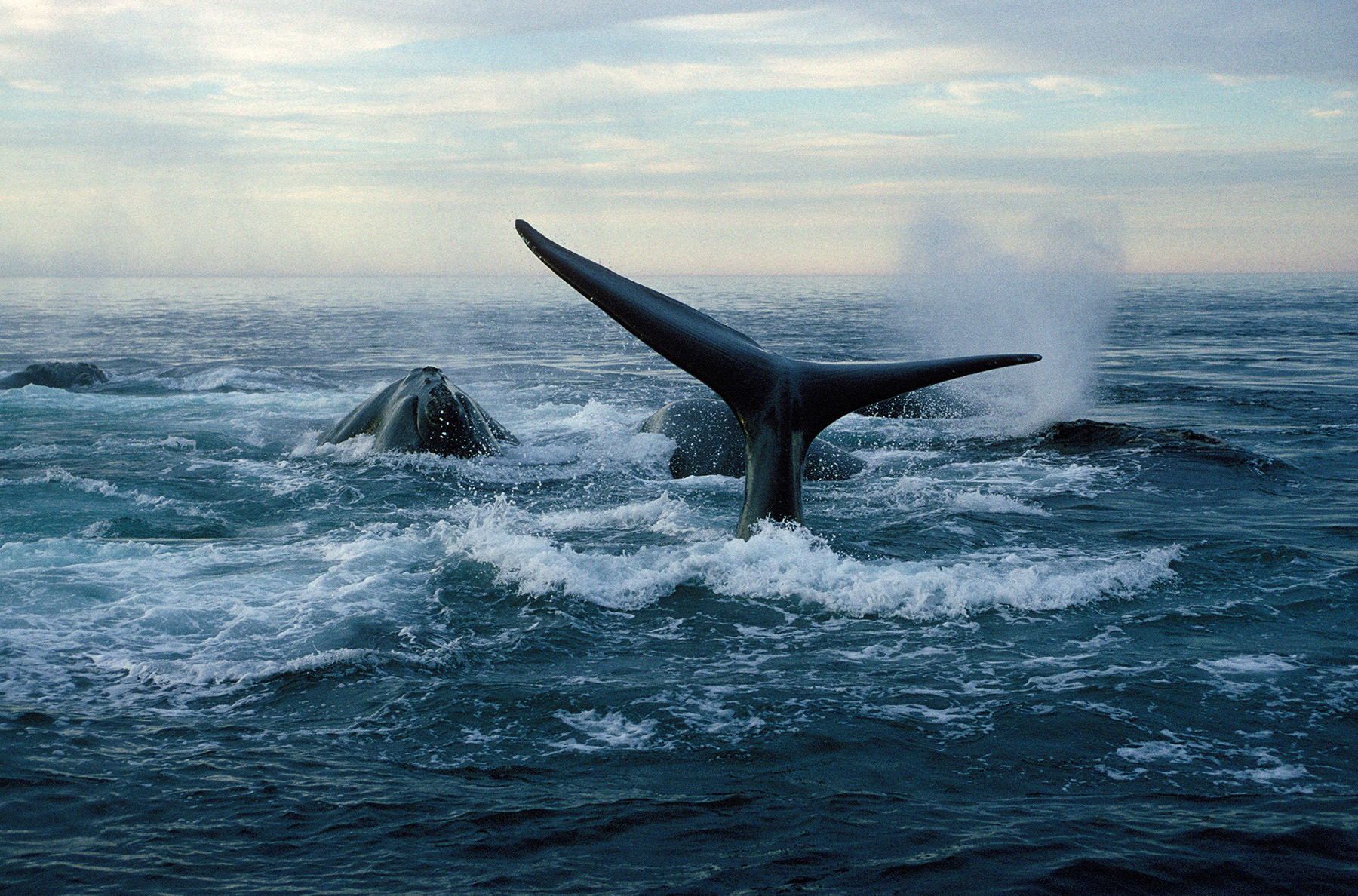
Fiery debates about the cause of whale deaths erupted along the mid-Atlantic coast in recent months after more than a half dozen humpback and sperm whales washed up on New York and New Jersey shores and near the Maryland-Virginia border.
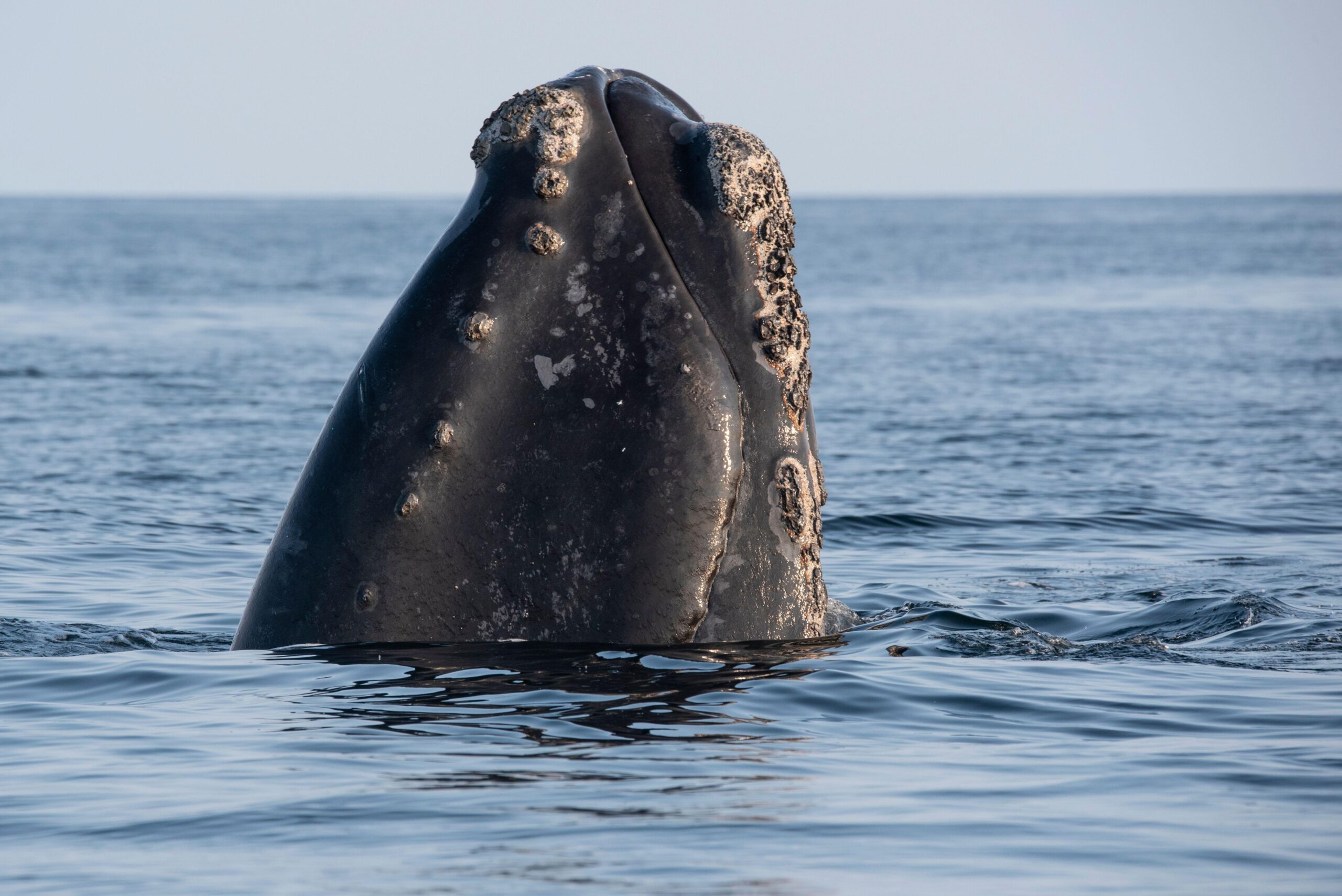
Owners of boats as small as 35 feet along the U.S. East Coast say NOAA Fisheries is unfairly targeting them with a proposed rule that would dramatically expand the areas designated to protect endangered North Atlantic right whales, and that would require boaters to slow to 10 knots or less.
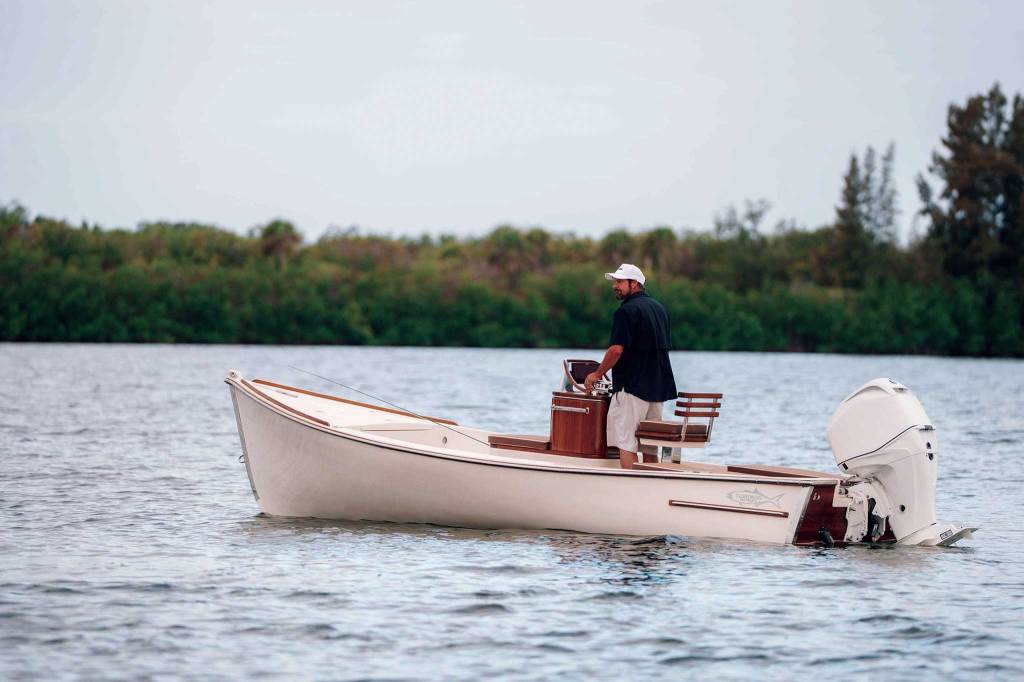
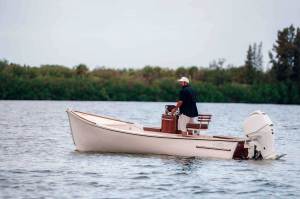
A beloved skiff is back in production, bringing a storied Martha’s Vineyard design and its enduring workboat heritage to a new generation of boaters.
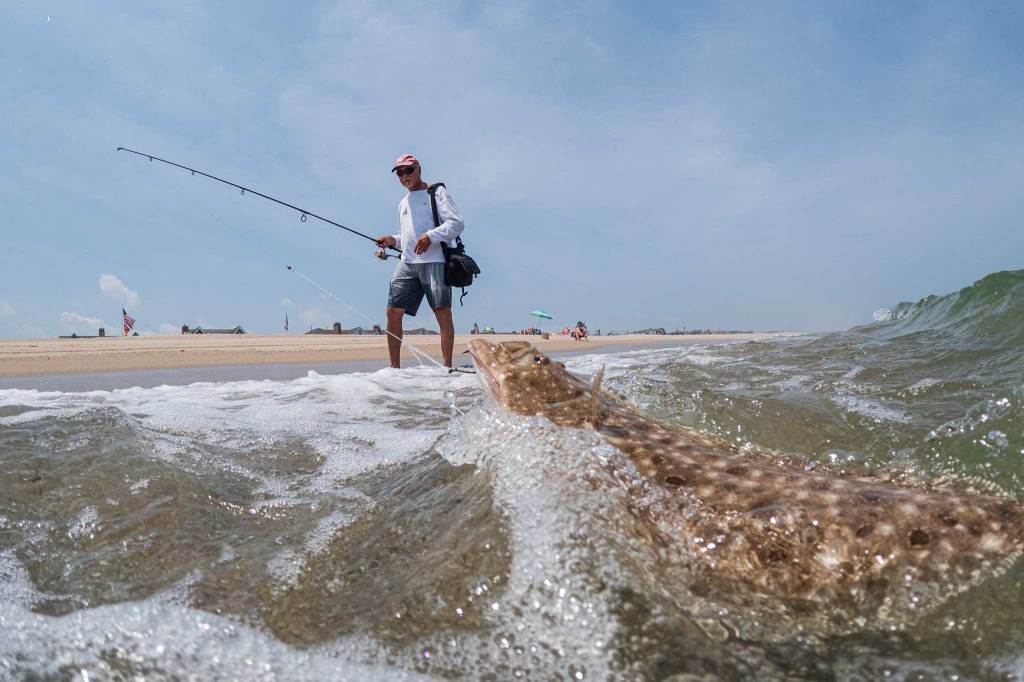
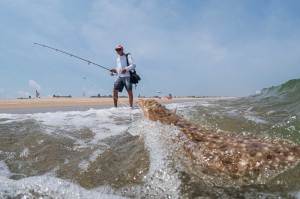
The unassuming flatfish is a remarkable hunter that anglers obsess over.
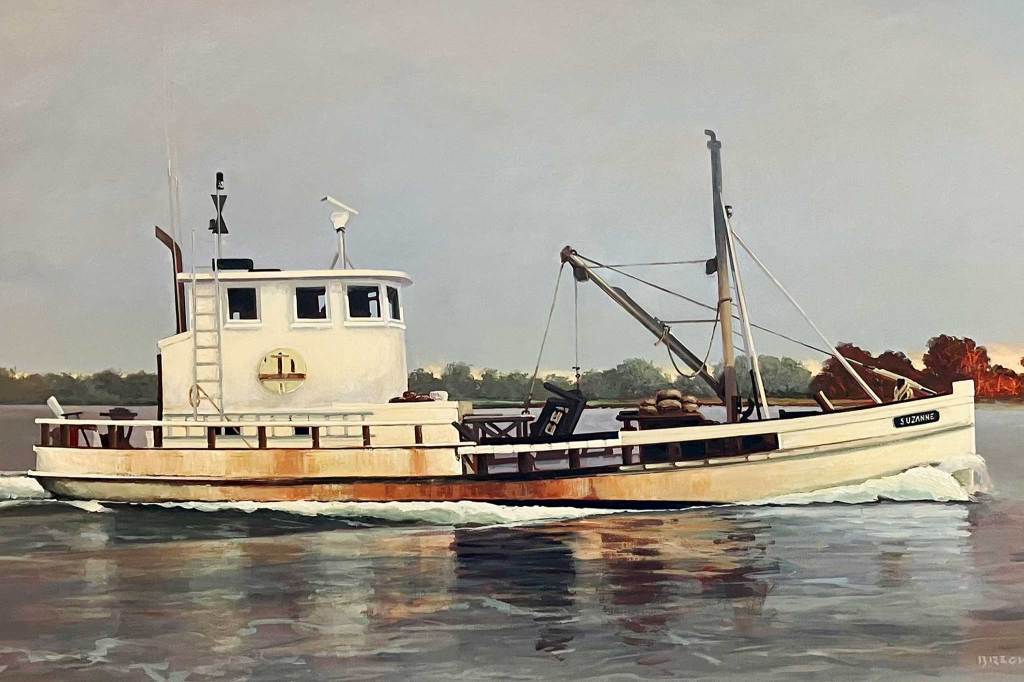
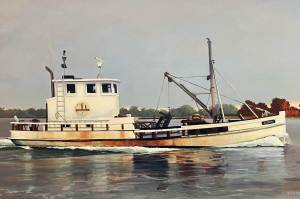
Brechin Morgan draws inspiration from a lifetime on the water, from working aboard rugged commercial vessels to sailing solo around the world in a 27-foot boat.
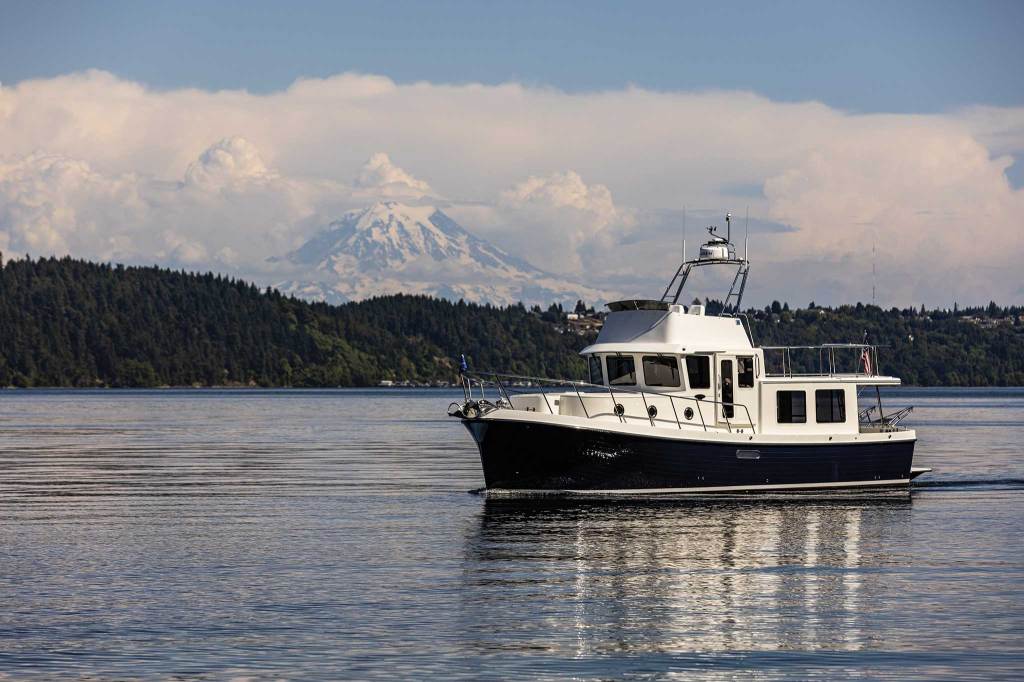
A maritime attorney offers advice for buyers who lay down deposits for new builds.
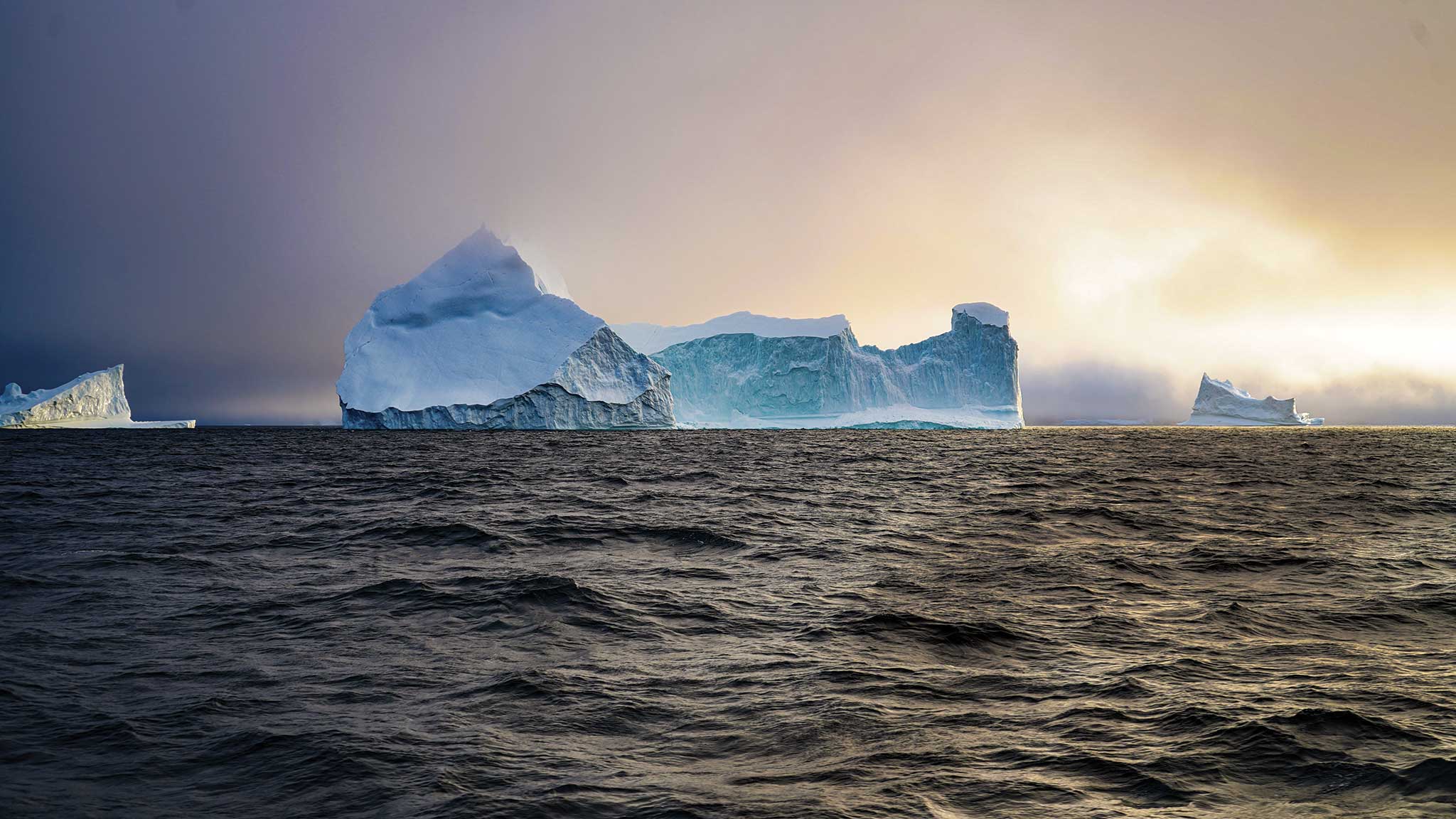
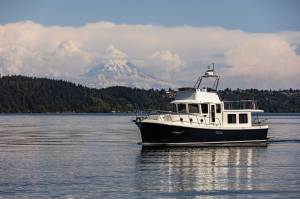
Mario Vittone’s excellent adventure from Maine to Washington on an FPB 64.
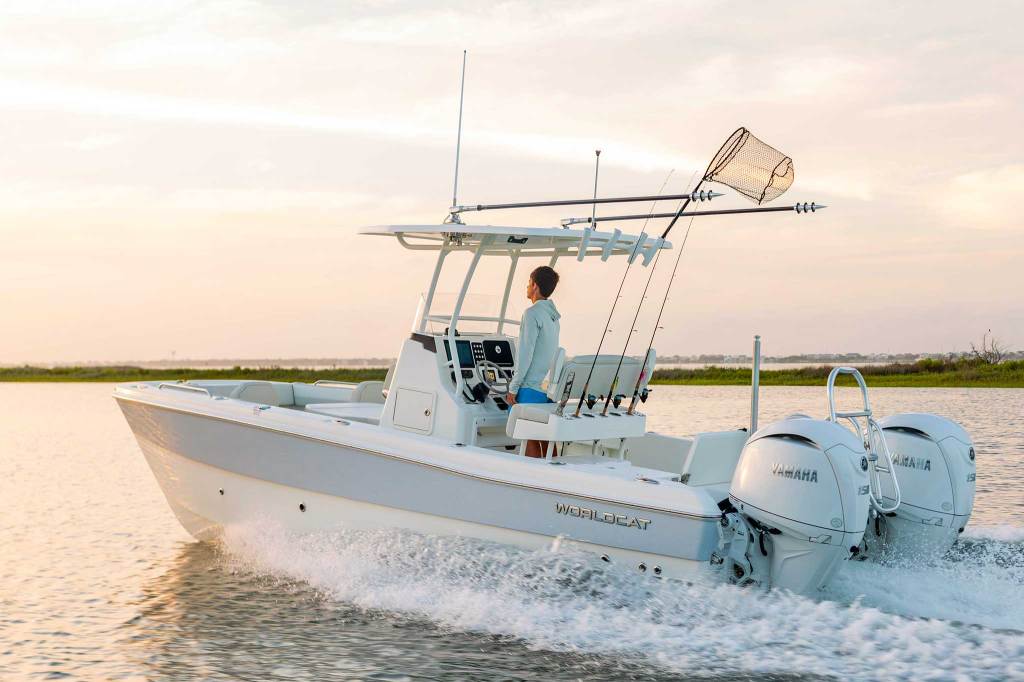
Don’t miss these new models arriving at boat shows this season.
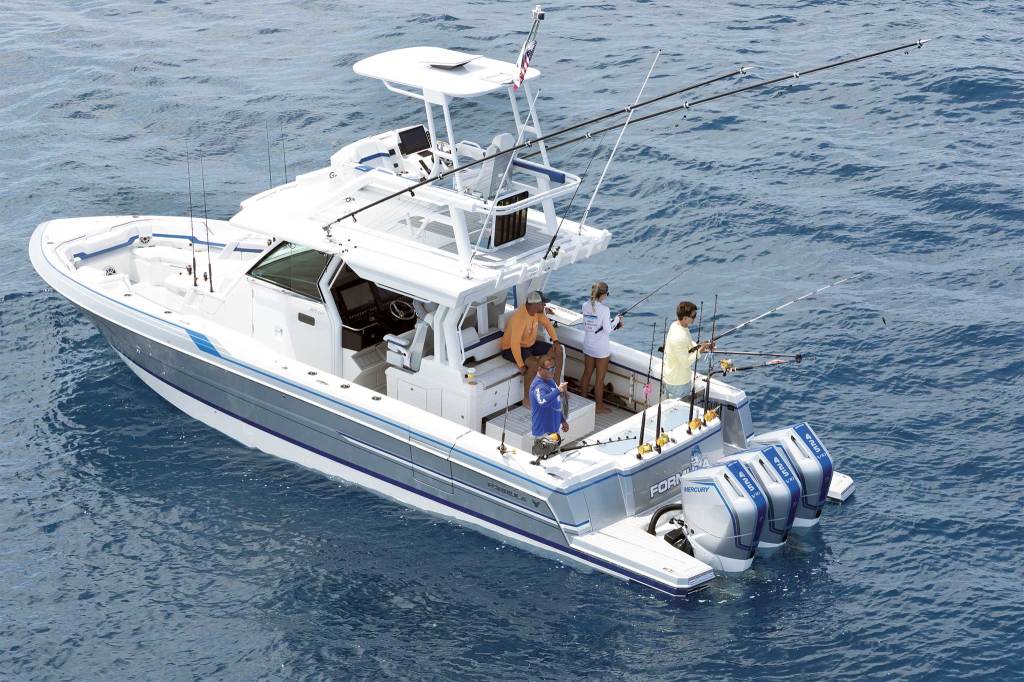
The Formula 387CCF’s upper station adds a new perspective for anglers, but it’s the boat’s ride and versatile design that steal the show.
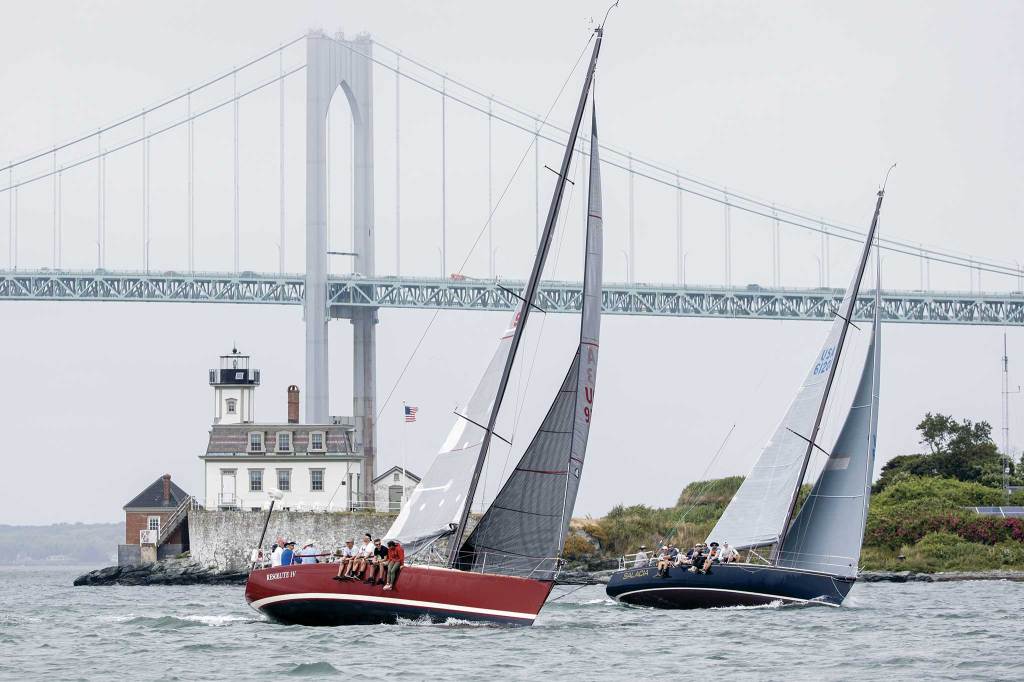
Yes, the waterfront experience in Newport has evolved in the age of megayachts, but this little city still has a lot of sailing in its heart.
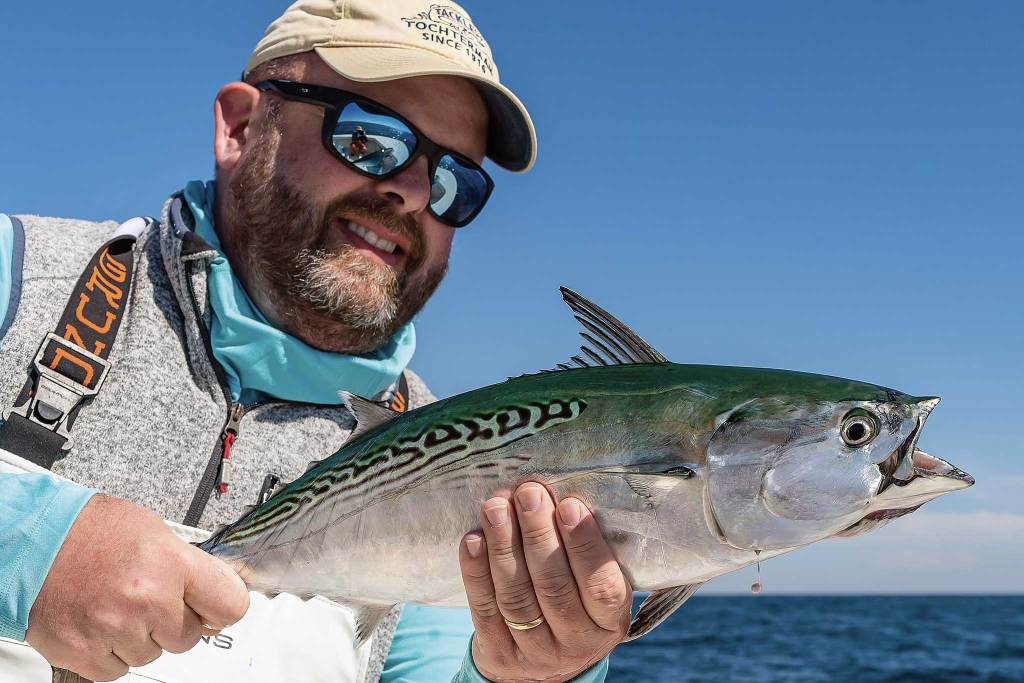
The crisp, cool days of fall bring boat shows, breezy sailing, angler fishing and peaceful anchorage.
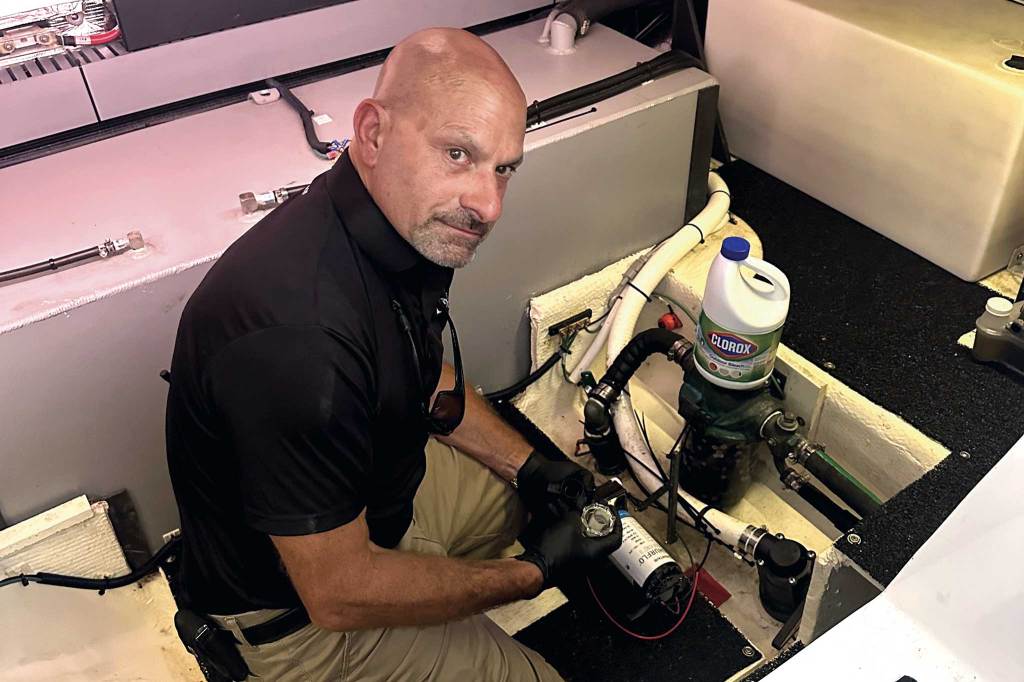
Warm weather breeds bacteria in freshwater tanks, where they create mischief with filters and pumps. Here’s how to stop them.