Advertisement

Mario Vittone

The 7th Passenger: Self-Regulating Your Vessel Inspections

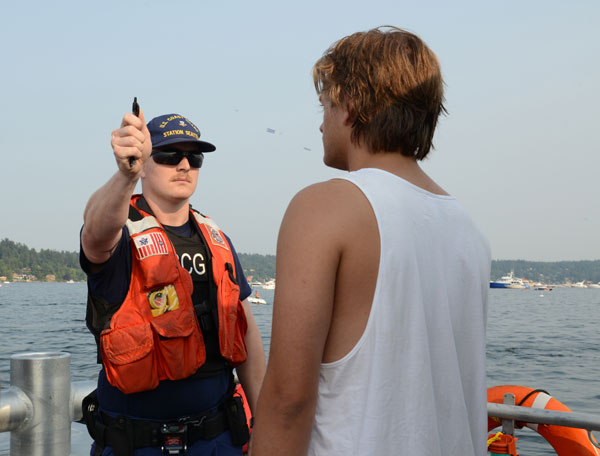
Most of us will never run regulated small passenger vessels, which have to go through frequent required inspections. In this week’s Lifelines blog, Mario Vittone points out how you can make your boat safer by borrowing from the Coast Guard’s inspection playbook.

Your First Aid Kit Is Not Enough: Real Gear For Medical Emergencies

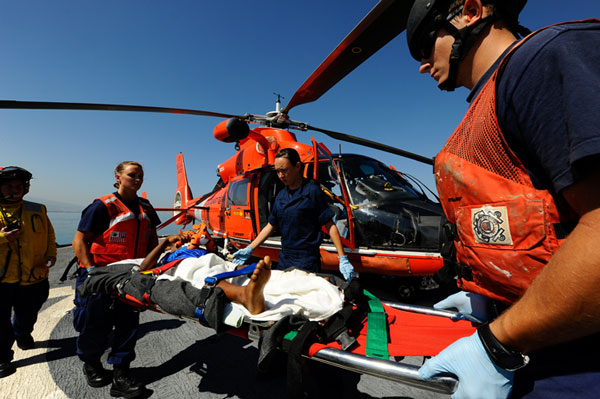
The basic first aid kits found in most marine supply shops just aren’t up to the task of handling an actual medical emergency. In his latest installment of Lifelines: Safety And Rescue At Sea, Mario Vittone discusses the first aid gear you should have aboard and the training you should get to use it properly. READ MORE

Suit Up: Gear For Cold Water Sailing

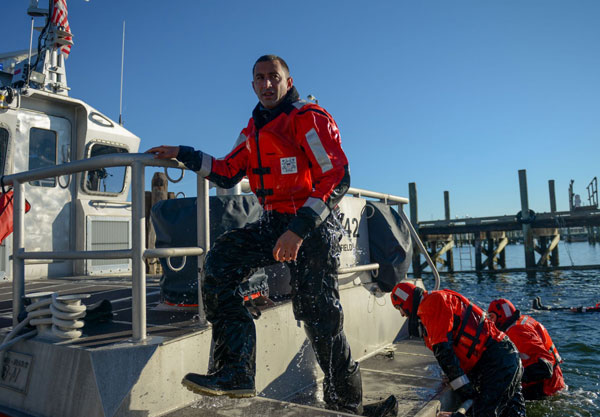
The season never ends for die-hard boaters. But cold water is still cold, and potentially deadly. In his latest installment of Lifelines: Safety And Rescue At Sea, Mario Vittone points out why you should consider wearing a dry suit for winter boating.

The Truth About Cold Water Recovery

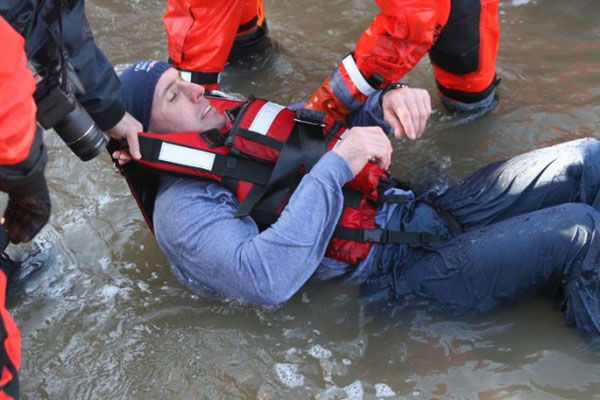
Victims of cold-water immersion aren’t out of trouble after being rescued. In his latest installment of Lifelines: Safety And Rescue At Sea, Mario Vittone discusses what to do — and what not to do — when treating someone with hypothermia.

Hypothermia Myths And The Truth About Cold Water

The dangers of falling overboard are amplified when the water temperature is below 60 degrees. In this week’s Lifelines blog, retired Coast Guard rescue swimmer Mario Vittone talks about four things that can happen to the body in cold water — and dispels a myth or two.

Pack a Sweater: How Clothes Can Save Your Life

You never know when you might be stuck on your boat out on the water. This time of year, when a sunny, 78° day can turn into a cold, rainy night in a matter of hours, being prepared can mean the difference between surviving until you’re rescued and hypothermia – or worse.

The Three People I Won’t Sail With

Some of the life lessons that Mario Vittone’s mother (and Ben Franklin) instilled in him applied to his work as a Coast Guard rescue swimmer. They’re food for thought for all boaters.

Preparing For That One Bad Day

When you hear the name Chesley Sullenberger, competence and heroic calm under enormous pressure come to mind, don’t they? Sullenberger, who expertly piloted stricken US Airways Flight 1549 to a 155-life-saving landing on the Hudson River, will long be remembered as the very picture of experience. He was a flight instructor, developed vital flight safety programs and amassed an enormous number of safe flying hours. The passengers aboard Flight 1549 couldn’t have asked for a better pilot on that morning in January 2009.

P.S. Don’t Play With Fire

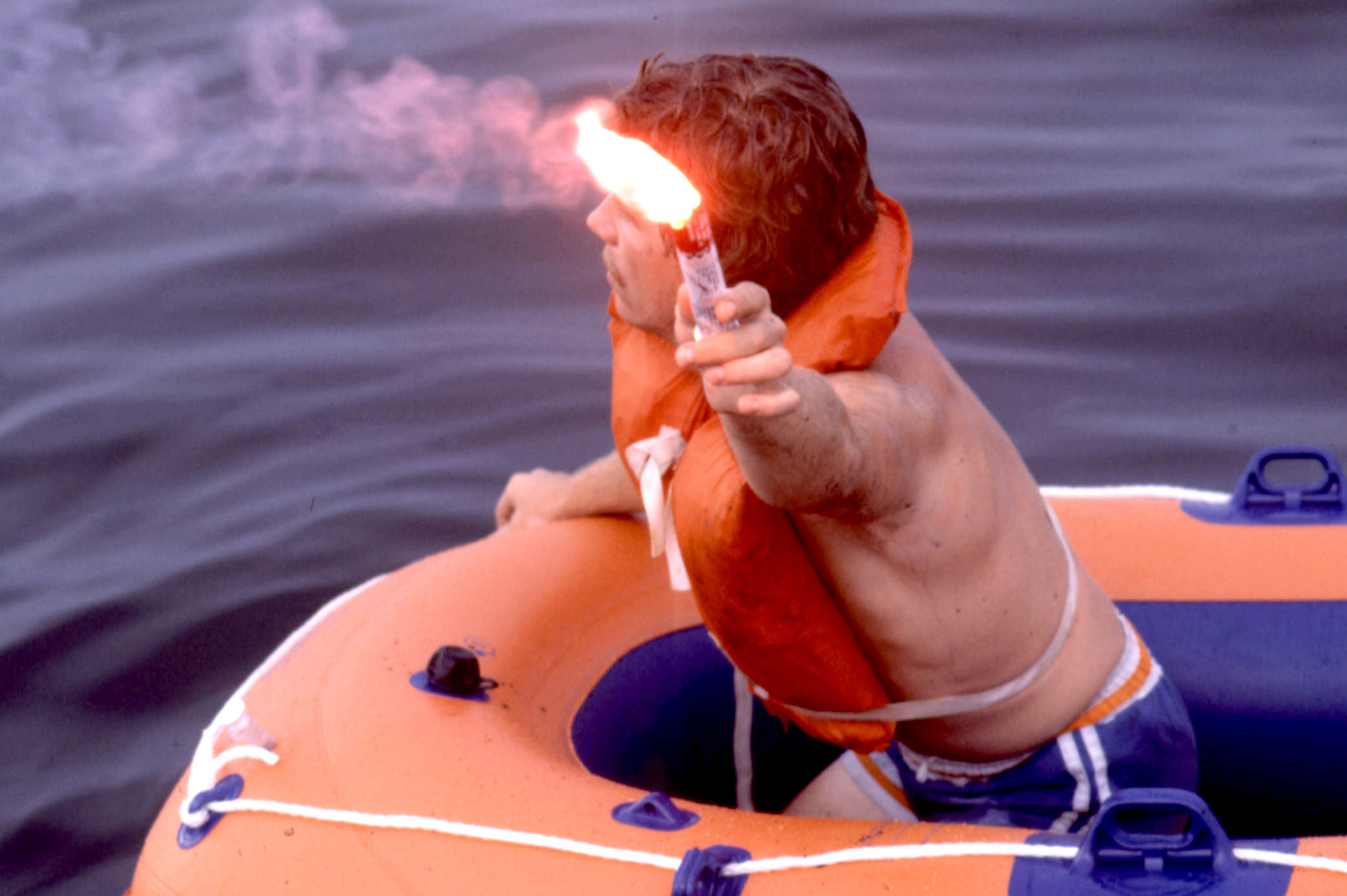
Not all flares are created equal and a flare that expired yesterday is not the same thing as a flare that expired 15 years ago, here are some important caveats to flares (expired or not) for their use, storage and inspection.

5 Things You Should Know About Flares

Only once in my career as a USCG helicopter rescue swimmer did I ever launch on a flare sighting that turned into an actual rescue. Three commercial fishermen were at anchor, sleeping, when their shrimp boat caught fire. By the time they got on deck, the wheelhouse was ablaze, and the only thing on the boat not on fire was these three guys, the Type 2 PFDs they were wearing and the one flare they grabbed out of the flare locker.

Project SeaSafe

Passion in Action

Cory Redwine is a driving force behind habitat restoration efforts in Florida’s Brevard County.

MG Energy Systems’ Master LV 
controls battery systems ranging from 12 to 48 volts, making it a good option for future 48-volt system conversions.

The Future is 48 Volts

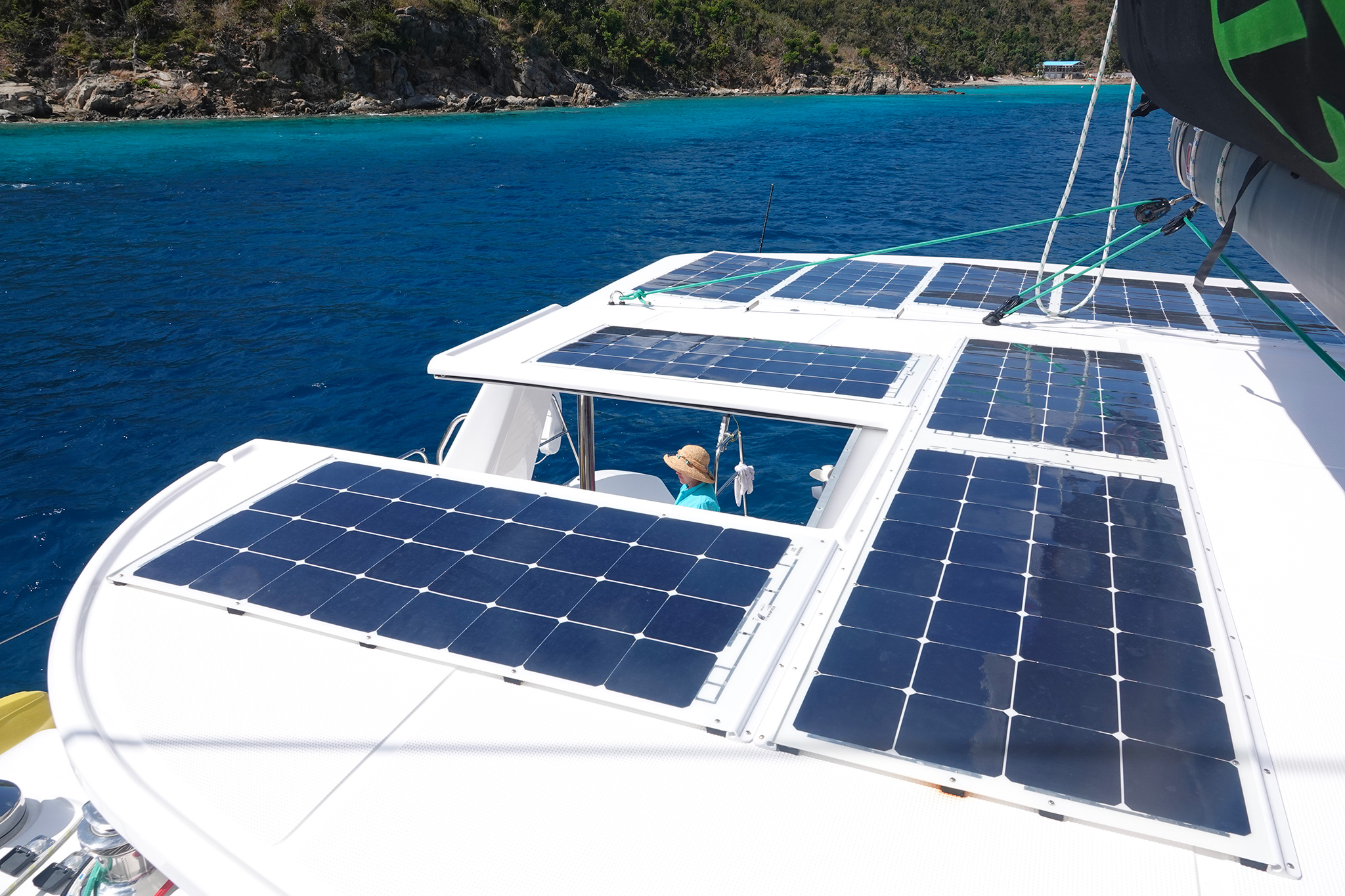
Here’s why 48-volt systems are positioned to become commonplace in marine electrical architecture.

Advertisement
Advertisement