Advertisement

Mario Vittone

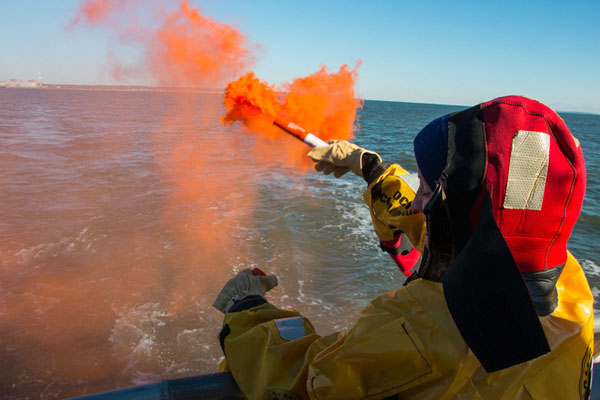
5 Things You Should Know About Flares

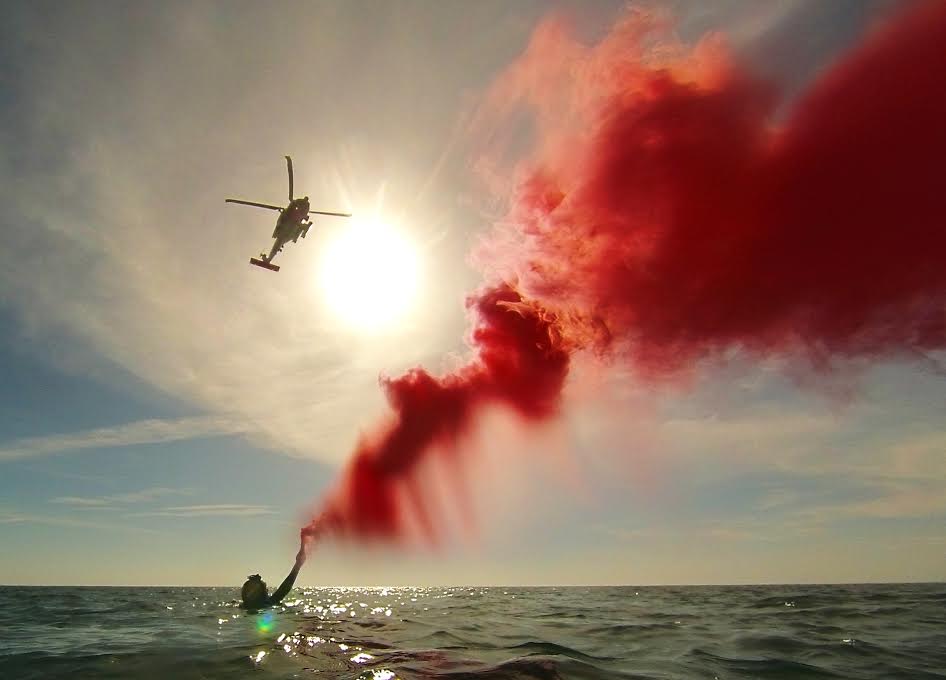
Only once in my career as a USCG helicopter rescue swimmer did I ever launch on a flare sighting that turned into an actual rescue. Three commercial fishermen were at anchor, sleeping, when their shrimp boat caught fire. By the time they got on deck, the wheelhouse was ablaze, and the only thing on the boat not on fire was these three guys, the Type 2 PFDs they were wearing and the one flare they grabbed out of the flare locker.
Over Here!

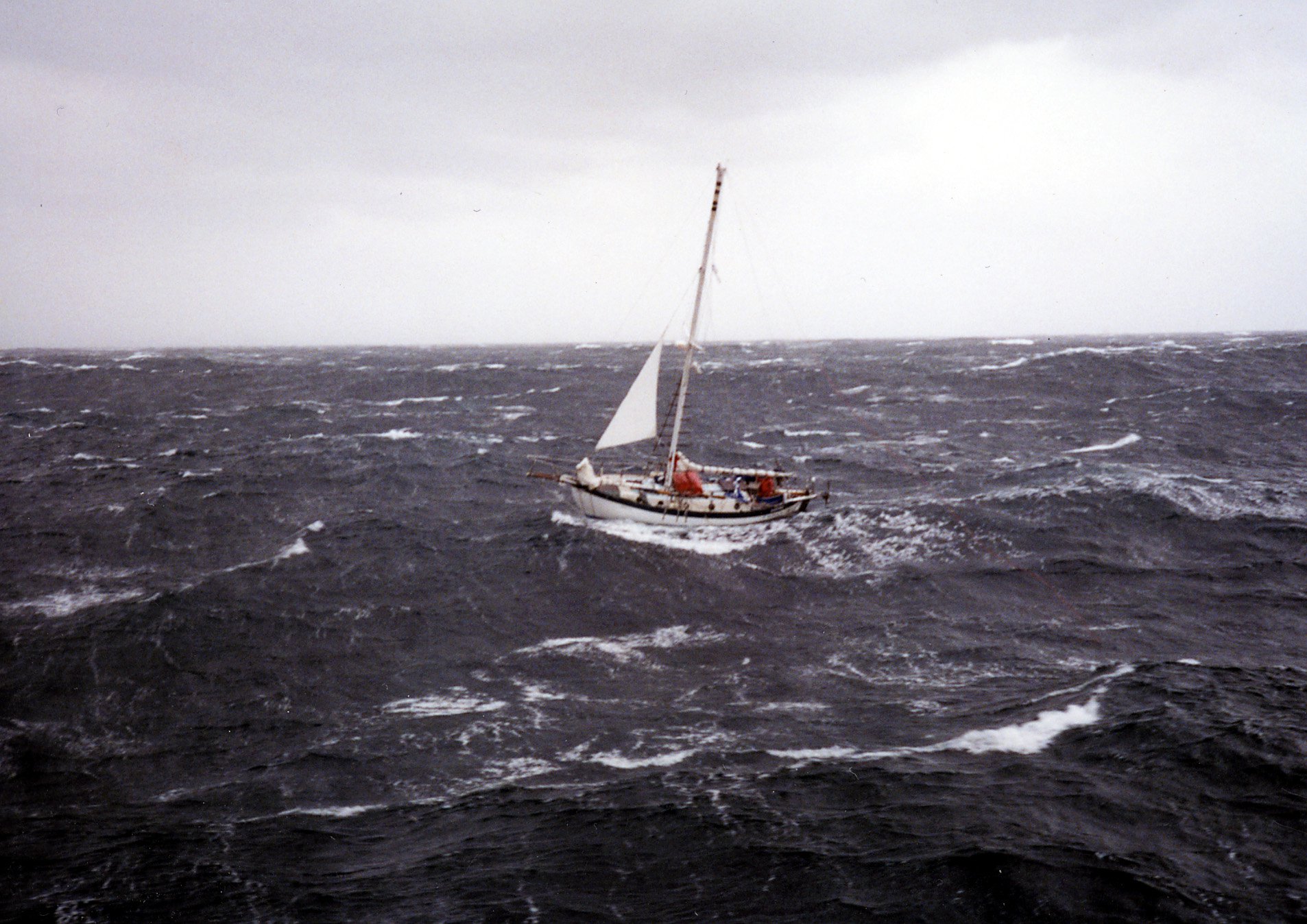
It’s overcast, pitch black and drizzling — only a storm and waves could make the search conditions worse and we were all thinking the same thing; on an open skiff, with nowhere to hide, the kid must be freezing. Coast Guard rescue crews take every search seriously, but we look harder out the window for kids in peril. We should. Get over it.

EPIRBs Alone Do Not Save Lives

I love EPRIBs. When asked what one thing I would take with me offshore, I always answer; an EPIRB. There is simply no valid argument against the devices. I recommend them to friends, insist on them for family and think anyone who goes to sea without one is just plain stupid.

A Few Pieces Of Paper Could Save Your Life

Retired rescue swimmer Mario Vittone and helicopter pilot Dan Molthen spent countless hours looking for lost boaters, yet neither had ever seen the one document boaters are encouraged to create prior to getting underway: a float plan.

Planning to fail

In 2013, I retired from my job as a maritime accident investigator for the U.S. Coast Guard. Before I did that job, I was a helicopter rescue swimmer, and before that I worked on a patrol boat. Responding to boating mishaps, in one way or another, has consumed the better part of my adult life, so you would think what I’m about to say couldn’t be true.

Project SeaSafe

Passion in Action

Cory Redwine is a driving force behind habitat restoration efforts in Florida’s Brevard County.

Advertisement
Advertisement