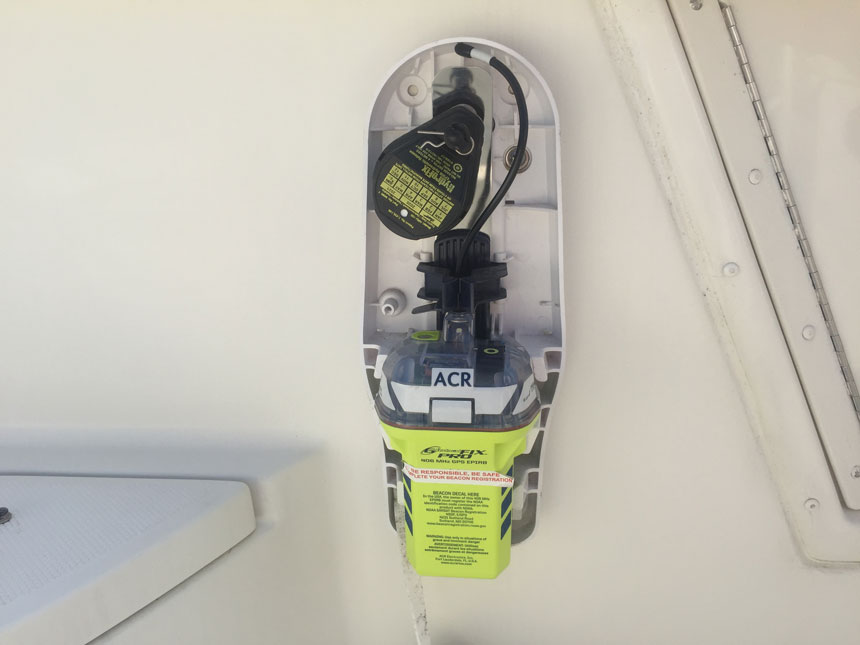
EPIRBS Alone Do Not Save Lives
I love EPIRBs.
When asked what one thing I would take with me offshore, I always answer: an EPIRB.

I love EPIRBs.
When asked what one thing I would take with me offshore, I always answer: an EPIRB.
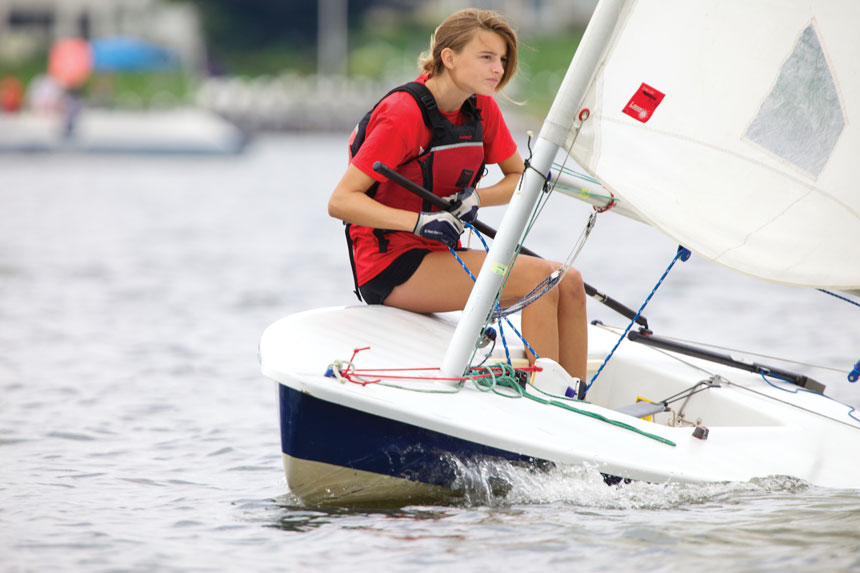
When I was in the U.S. Coast Guard, I couldn’t say this; but I believe the phrase “Always wear your life jacket” is terrible advice.
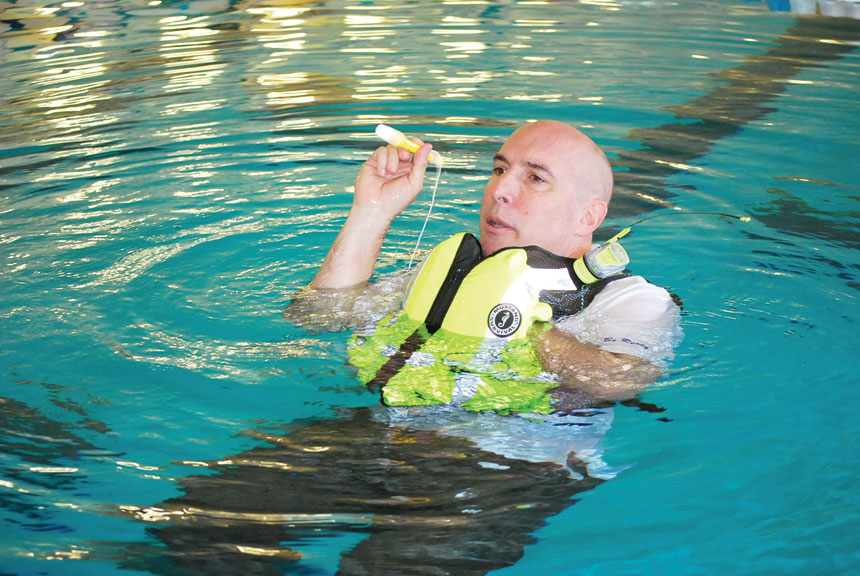
When people fall overboard, more often than not it’s at the marina when boarding or stepping off the boat.
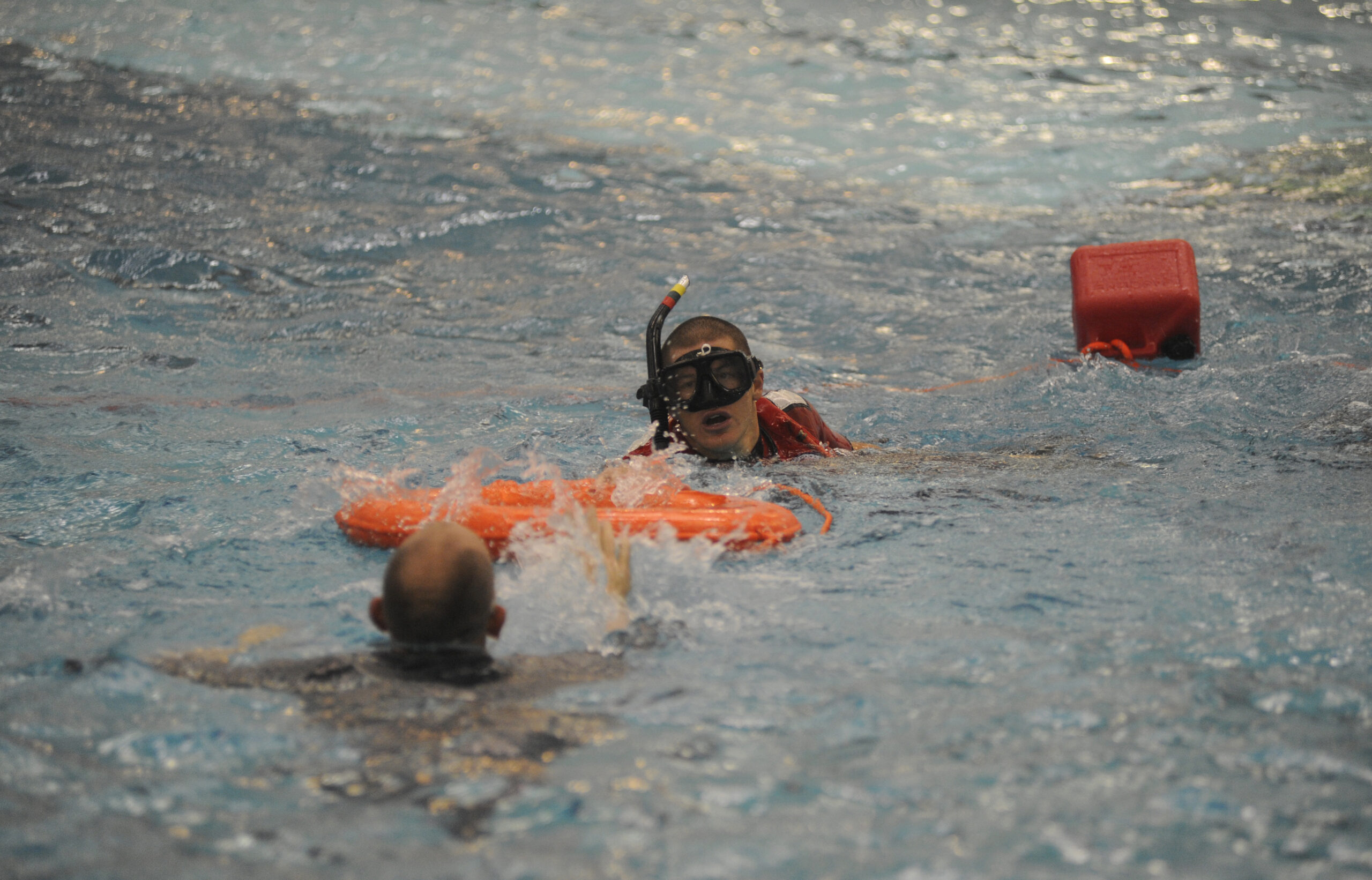
Last week in Lifelines, Mario Vittone dispelled a massive myth in his post Drowning Doesn’t Look Like Drowning, which went viral and will save lives. This week, Vittone tackles the fallacy that untrained, but otherwise competent swimmers, can’t make an attempt to save someone who’s drowning and tells us how to (safely) do it.
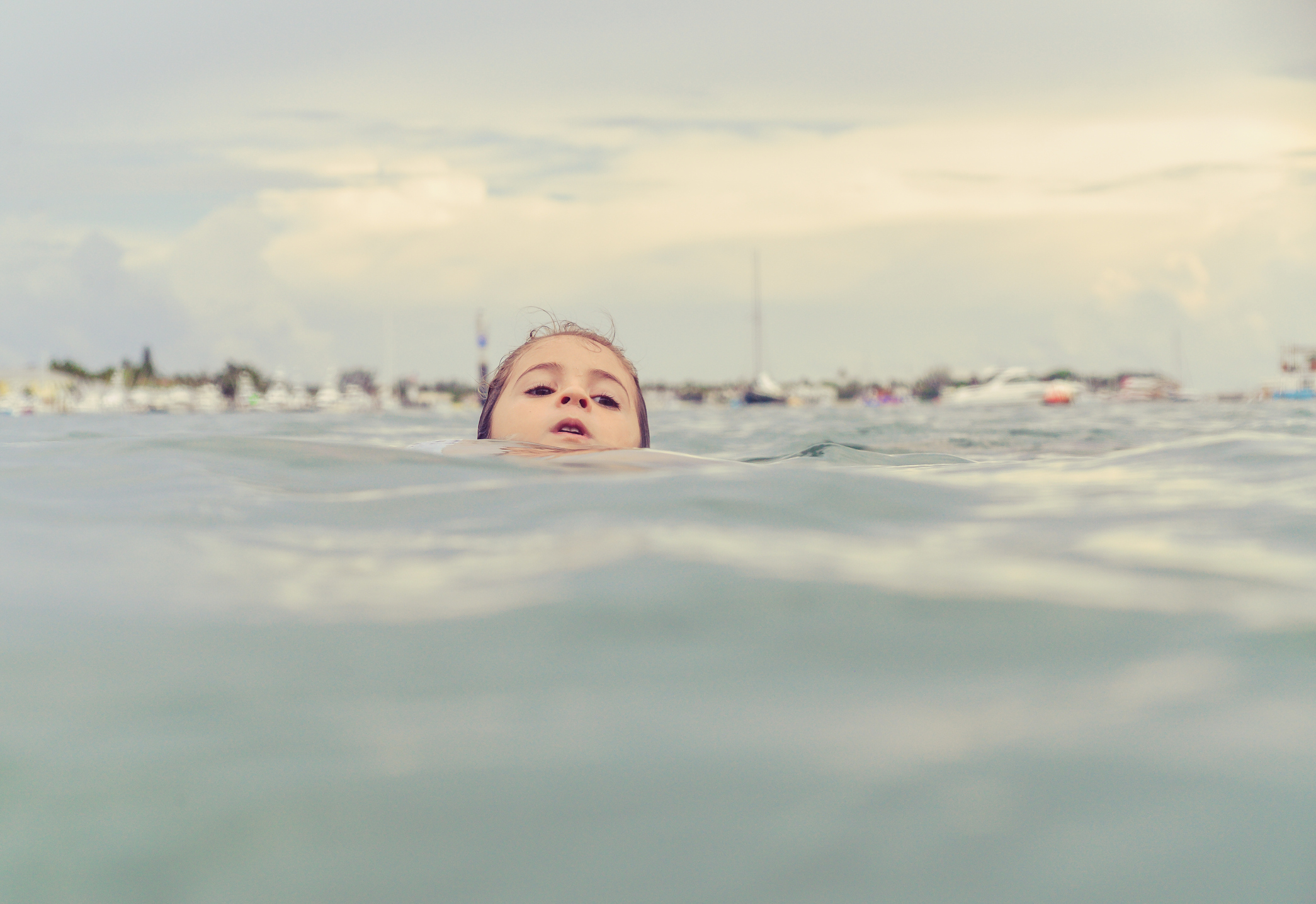
Mention drowning and we all tend to envision a person in the water waving his hands, splashing and screaming for help. That’s not even remotely close to what a drowning person looks like, writes Mario Vittone in this week’s Lifelines: Safety And Rescue At Sea blog.
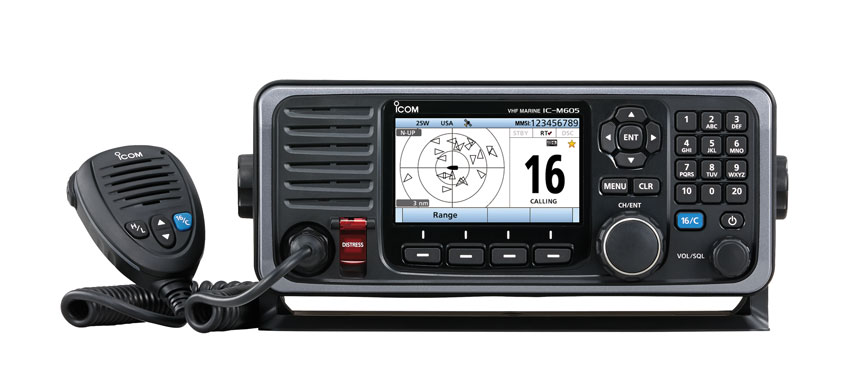
At a meeting with 250 boaters last year, I asked for a show of hands: “How many of you have registered your DSC radio and have an MMSI number?
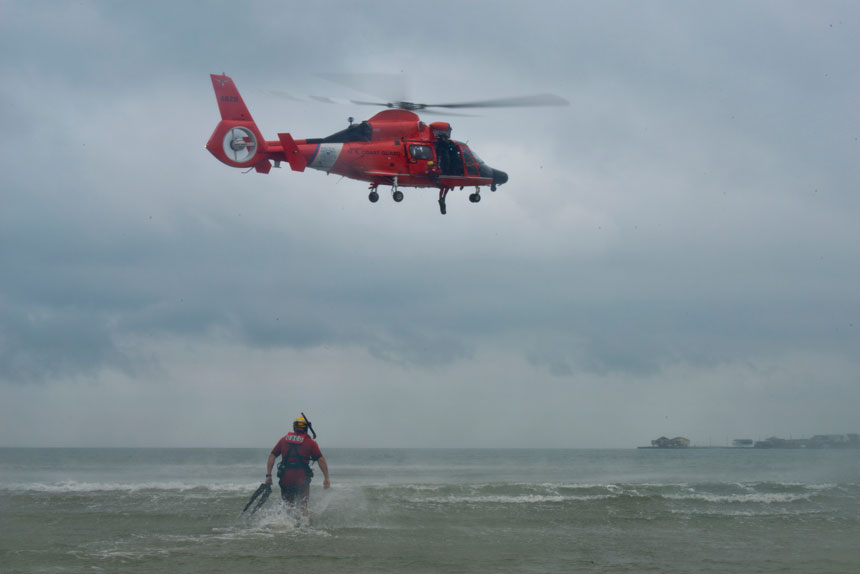
You don’t have to be able to deadlift 400 pounds, but you do need to be able to keep your cool under pressure if you want to become a Coast Guard helicopter rescue swimmer, writes Mario Vittone in this week’s Lifelines: Safety And Rescue At Sea blog.
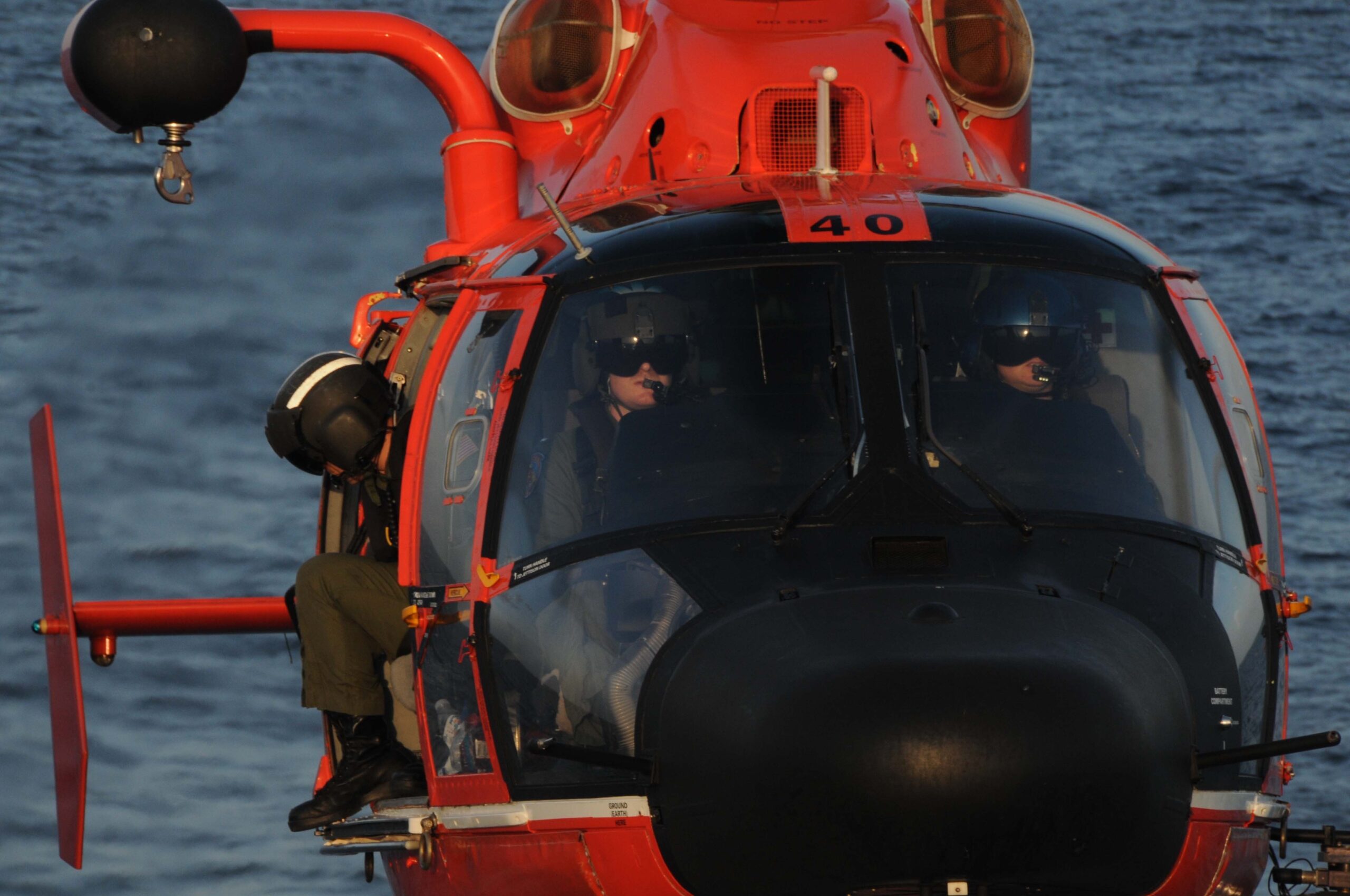
The Coast Guard uses a computer model — among other tools — to aid in the determination of whether it should continue searching for someone. Mario Vittone discusses the factors taken into account when calling off a search in this week’s Lifelines: Safety And Rescue At Sea.
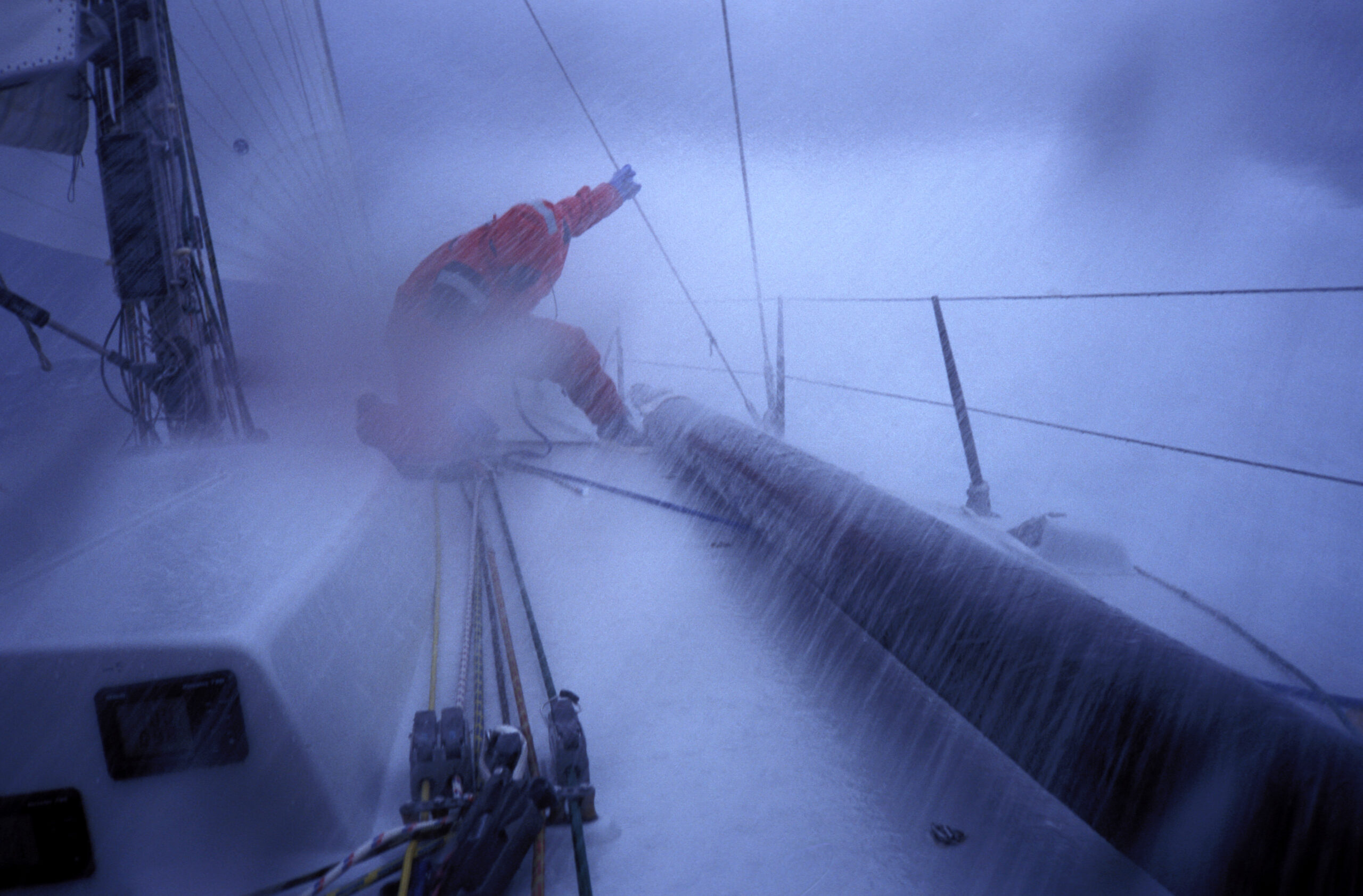
No one likes to change when it comes to new rules or regulations that restrict free will. Professionals should decide for themselves what is right or wrong, based on their knowledge and experience, and apply it to operate their vessel safely and effectively. The only problem is just how often that model fails. Mario Vittone explains why experience is a rotten teacher in this week’s installment of Lifelines: Safety And Rescue at Sea.
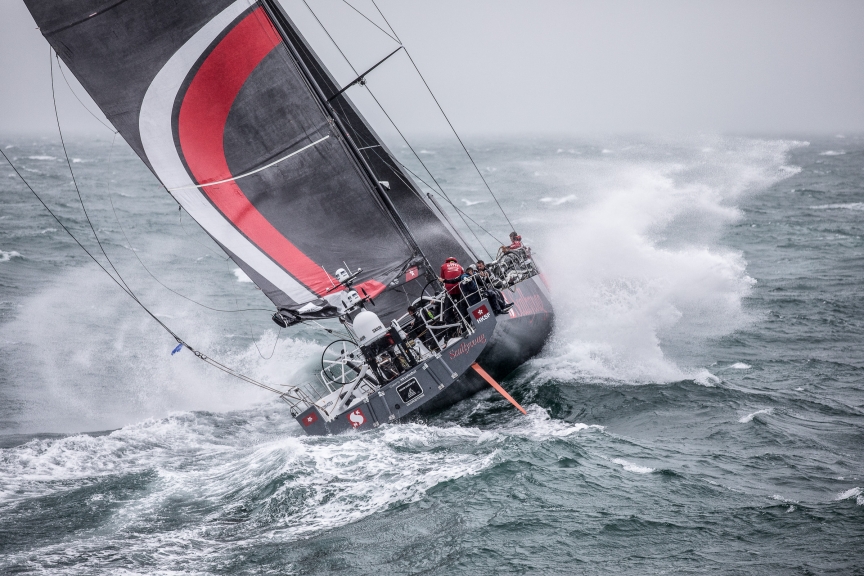
Ocean racing is dangerous. That’s what everyone tells me, anyway, and I believe them. Racing around the world in sailboats that are purpose-built to be
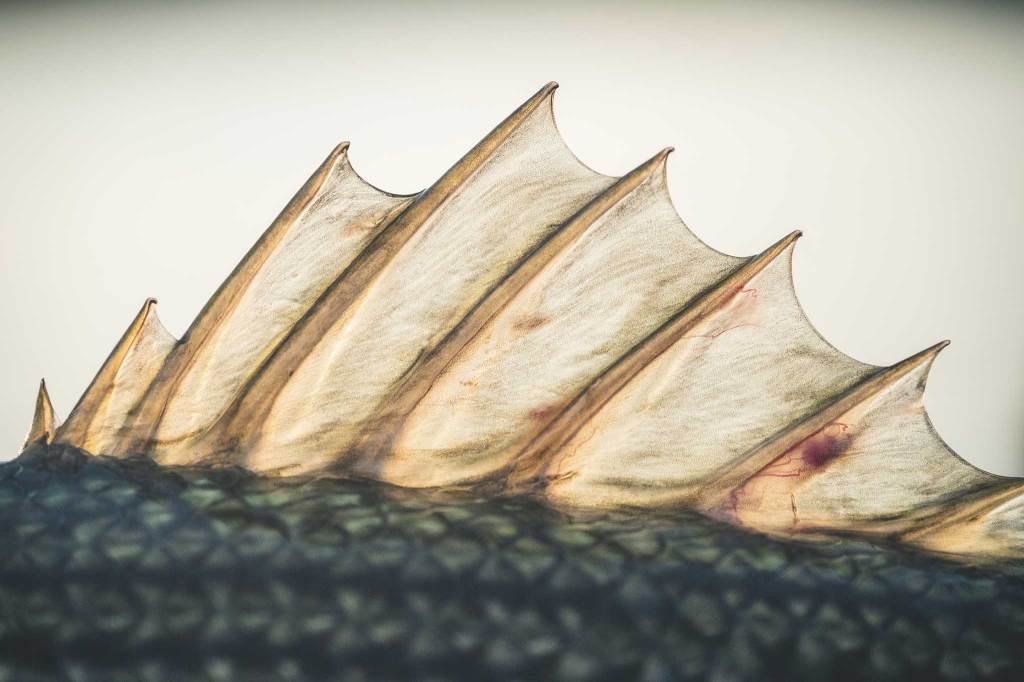
To catch more striped bass, fish live bait, work the structure, and wait for dark, because your best catches may be after sunset.
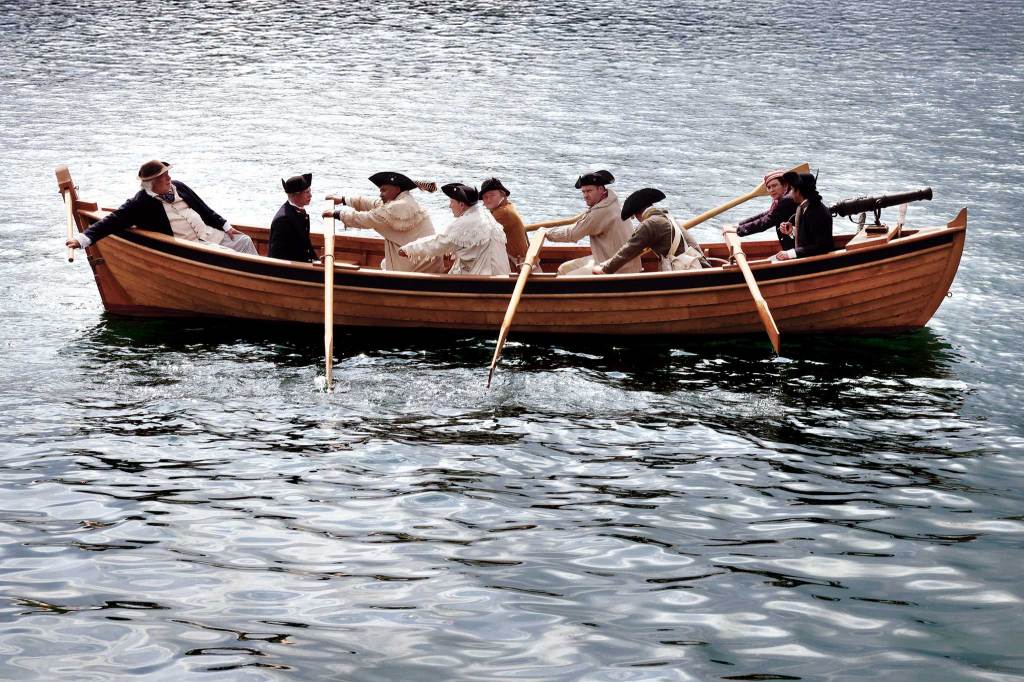
Meet the Revolutionary War-era whaleboat that helped the Culper Spy Ring outwit the British on Long Island Sound.
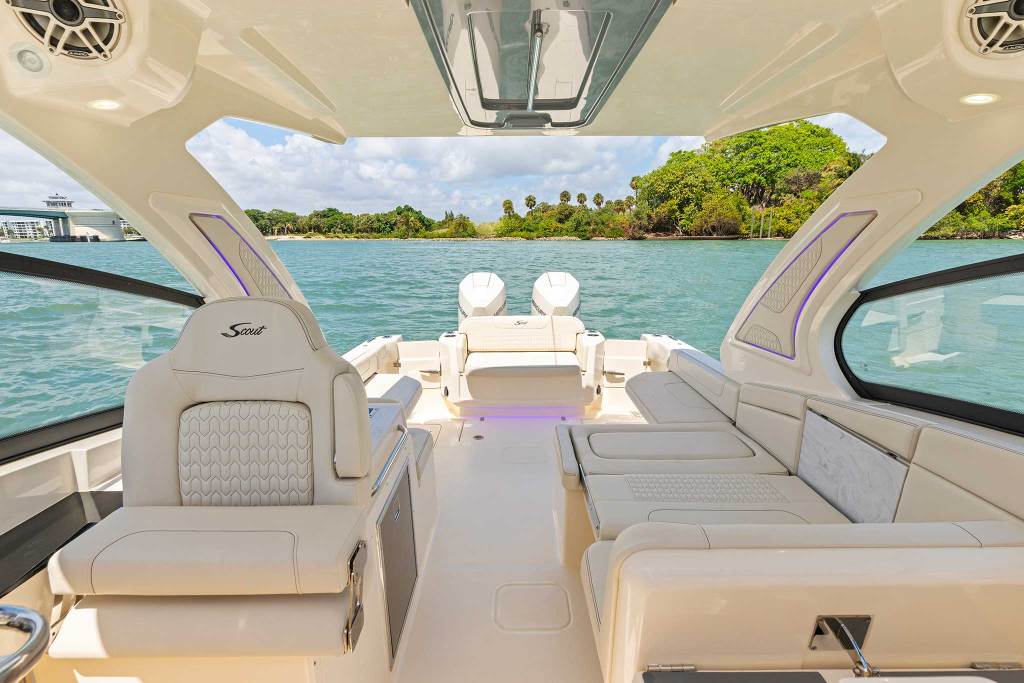
With thoughtful design and attention to detail, Scout’s 288 Dorado raises the bar for what a dayboat can be.
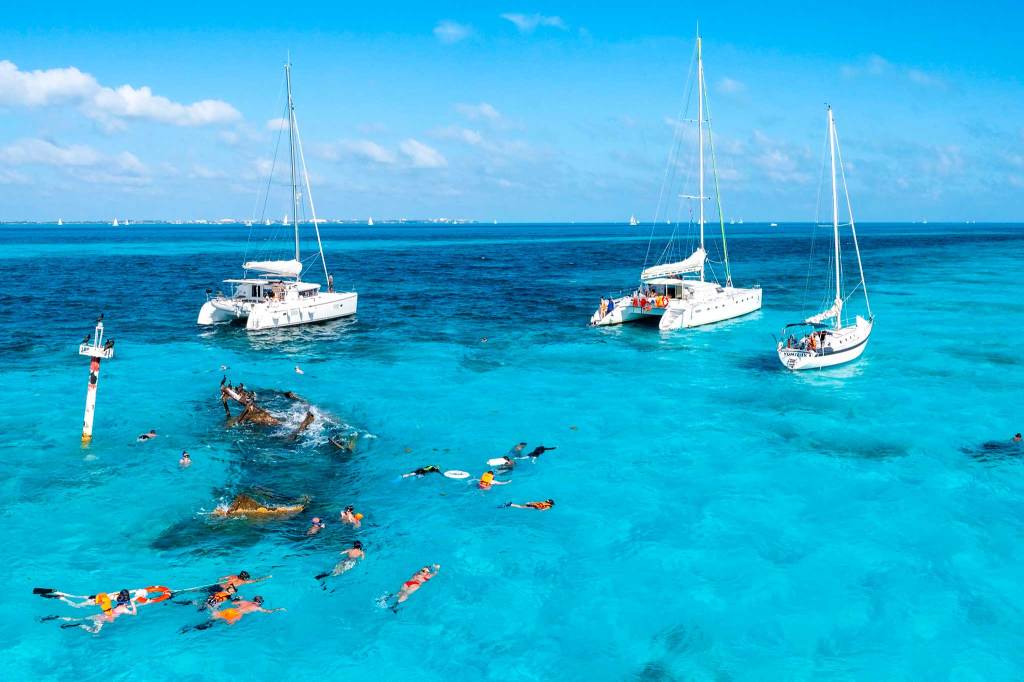
New rules reverse last year’s rate hikes, but economic fallout won’t be easily undone.
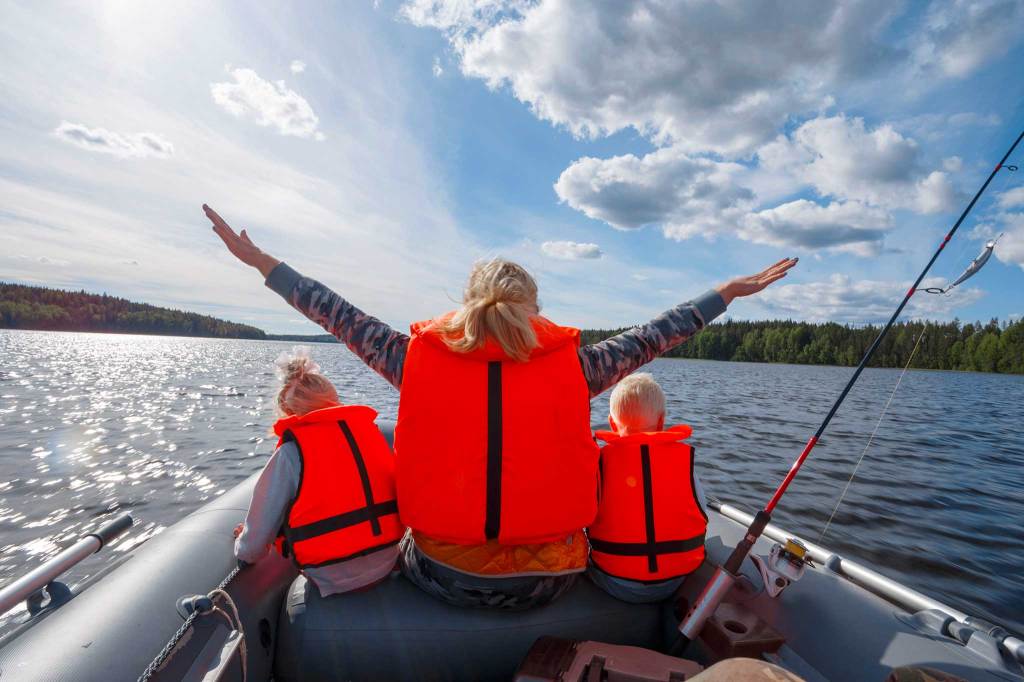
What We Learned About Safety From Lynette Hooker’s Disappearance
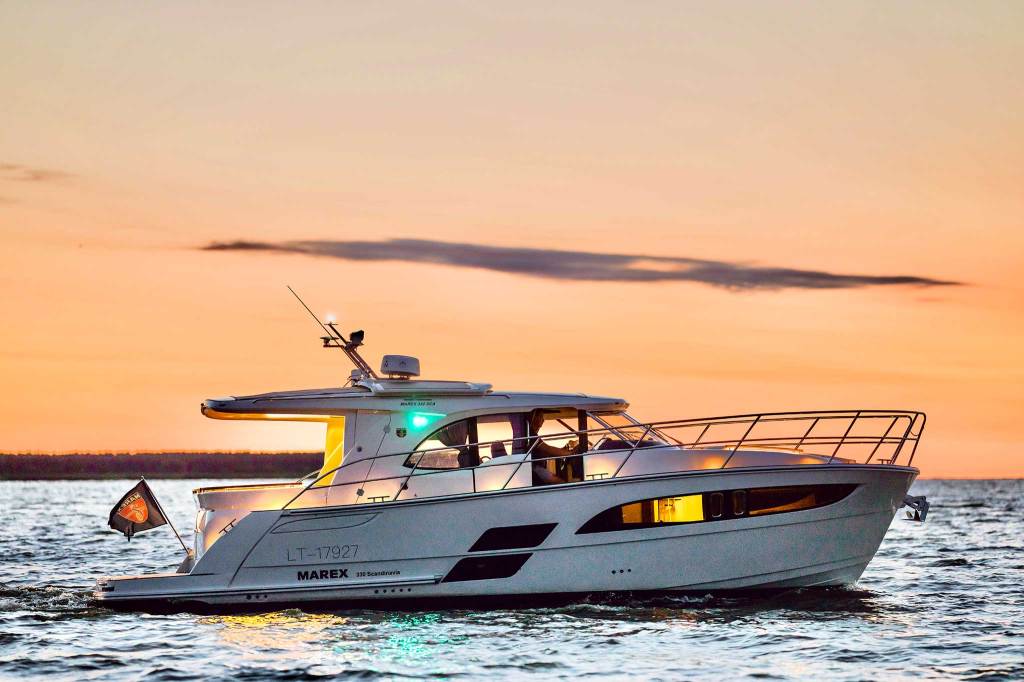
Ready to move beyond weekend boating, a New England couple discovers a cruiser designed to keep them on the water longer.
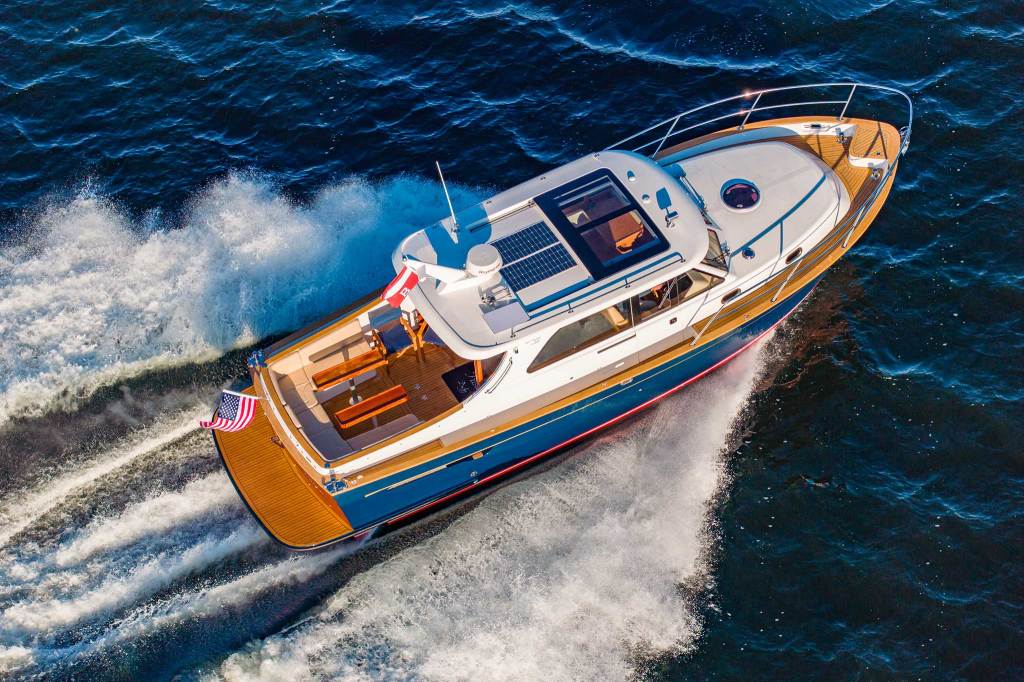
This Cornwall-built cruiser pairs classic lines with all-weather capability.
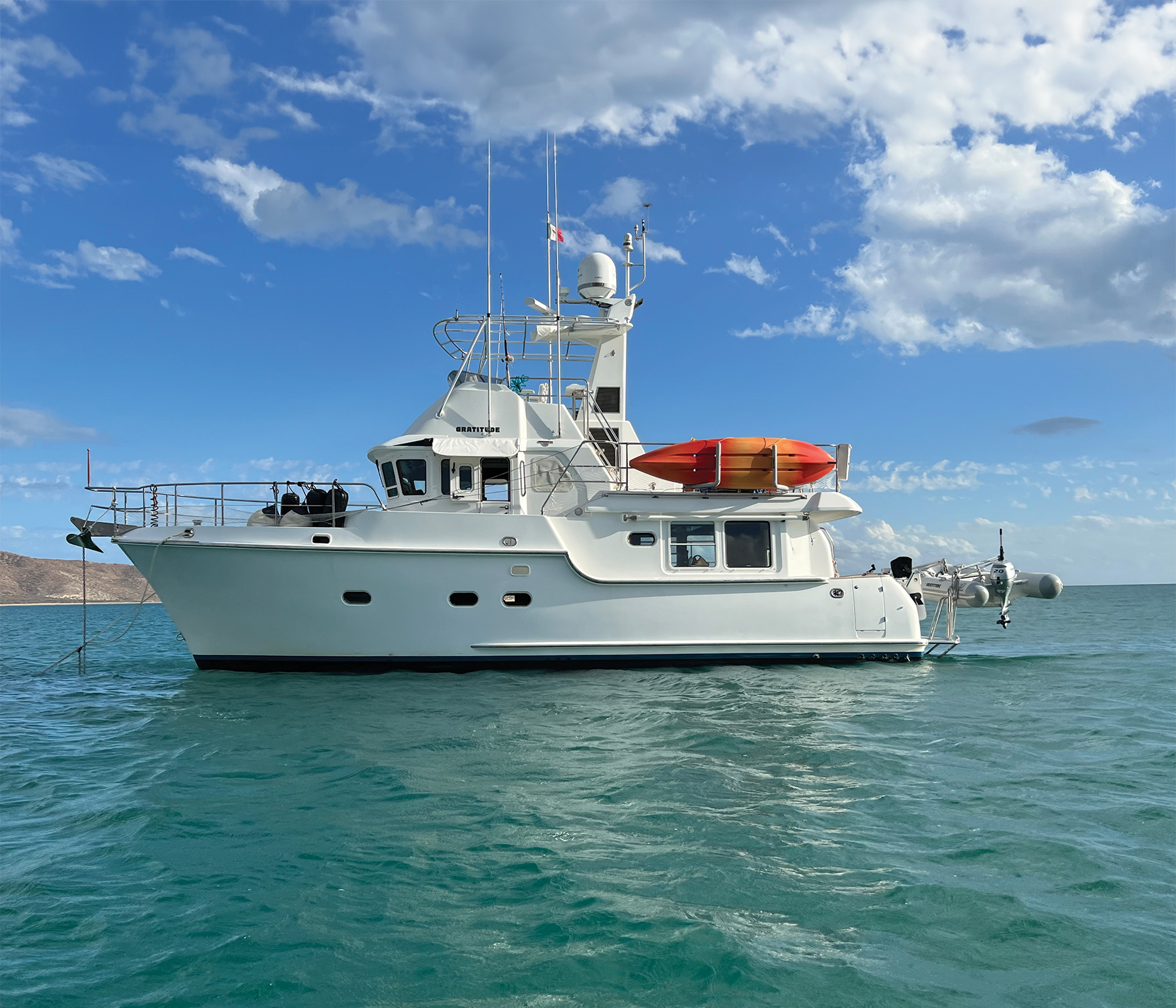
New technology makes it easier than ever to work (and homeschool) from on board.
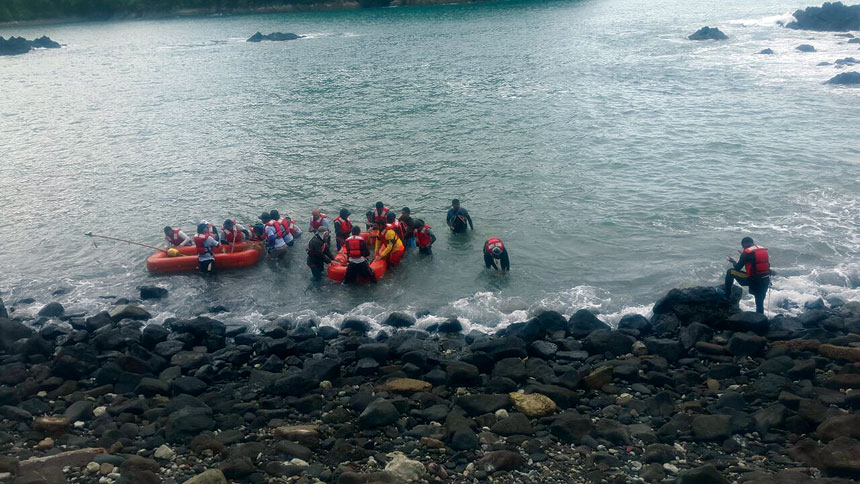
Are you strong enough to survive 13 hours in the water? That’s exactly what the writer did when he chaperoned an ocean survival course.
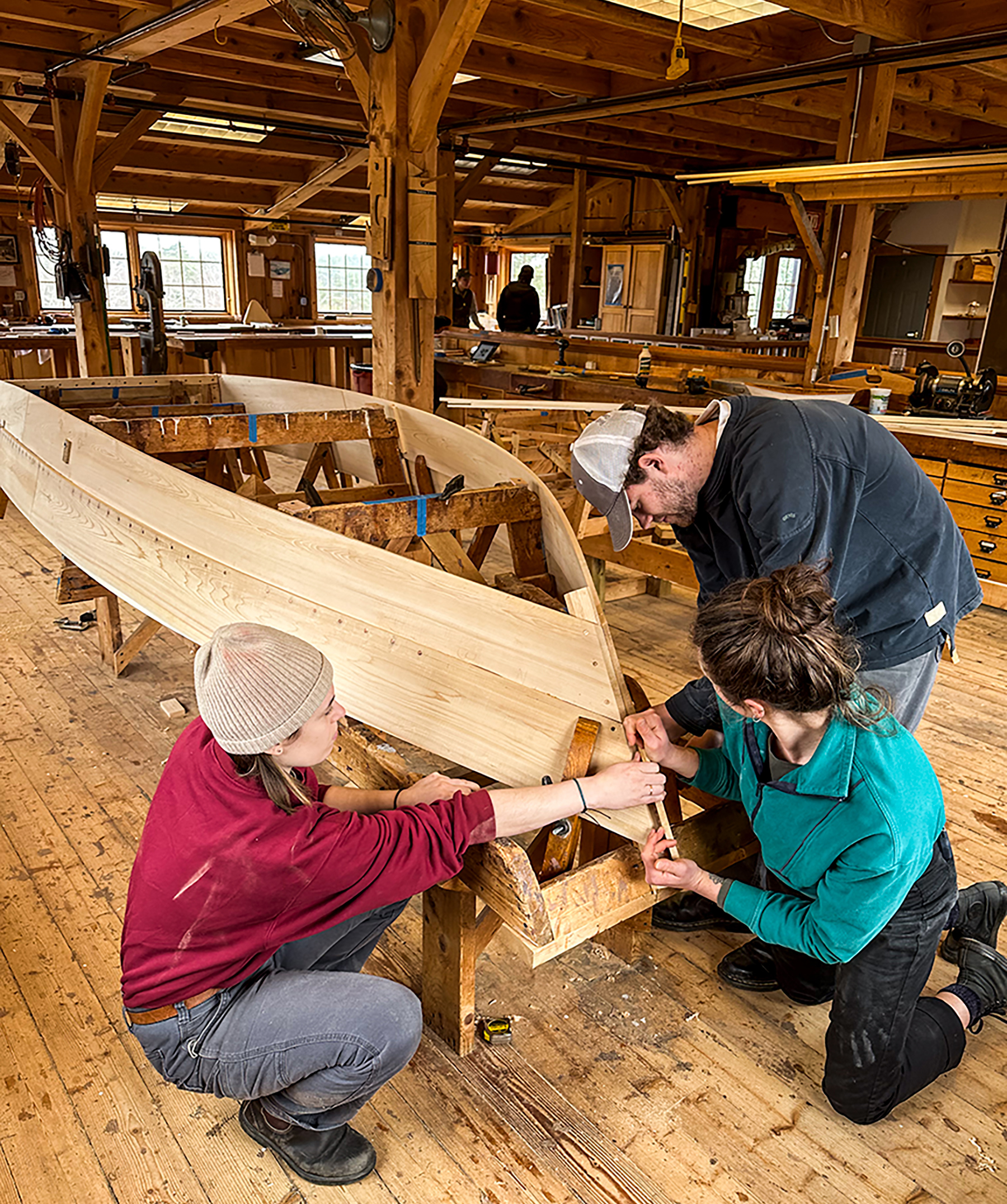
This Maine-based school was founded to help people find peace and purpose through boatbuilding.