DSC Is An Amazing Tool. Do You Know How To Use It?
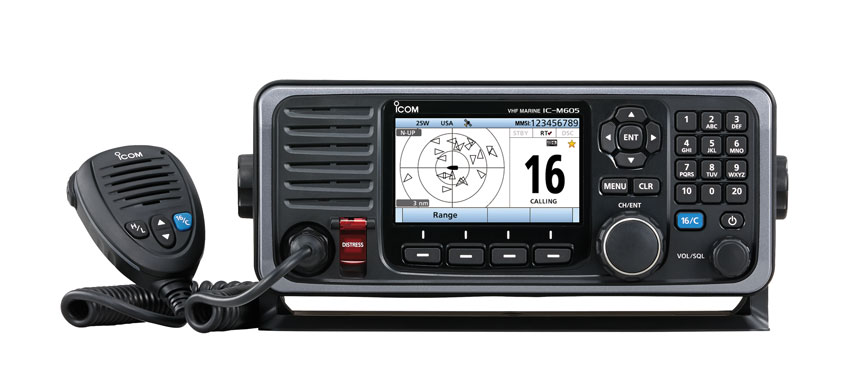
At a meeting with 250 boaters last year, I asked for a show of hands: “How many of you have registered your DSC radio and have an MMSI number?

At a meeting with 250 boaters last year, I asked for a show of hands: “How many of you have registered your DSC radio and have an MMSI number?
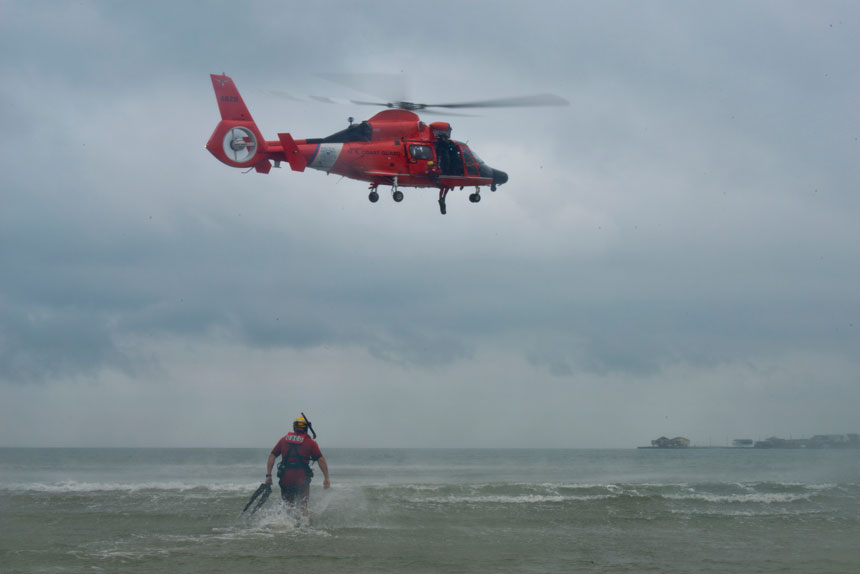
You don’t have to be able to deadlift 400 pounds, but you do need to be able to keep your cool under pressure if you want to become a Coast Guard helicopter rescue swimmer, writes Mario Vittone in this week’s Lifelines: Safety And Rescue At Sea blog.
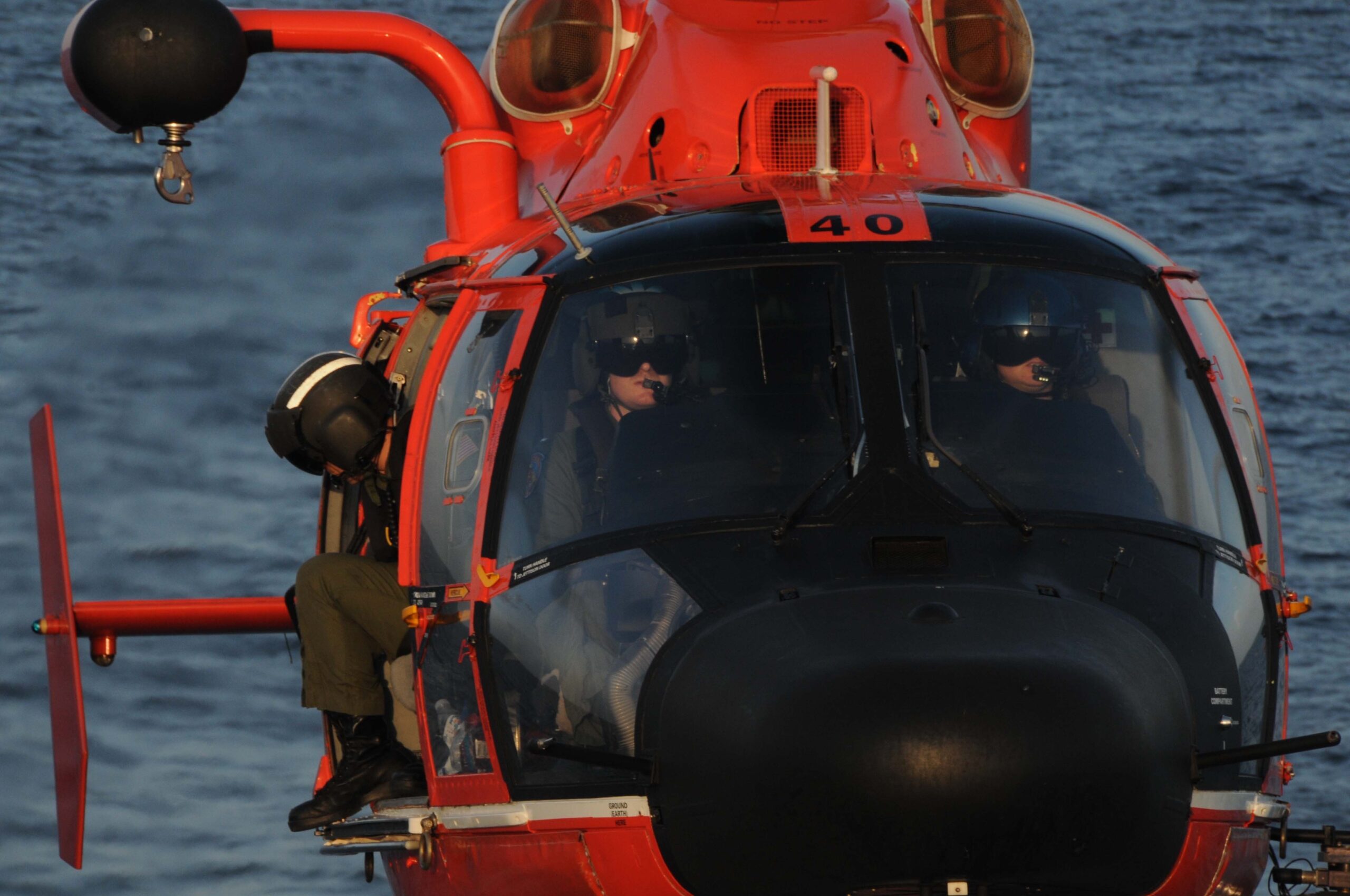
The Coast Guard uses a computer model — among other tools — to aid in the determination of whether it should continue searching for someone. Mario Vittone discusses the factors taken into account when calling off a search in this week’s Lifelines: Safety And Rescue At Sea.

No one likes to change when it comes to new rules or regulations that restrict free will. Professionals should decide for themselves what is right or wrong, based on their knowledge and experience, and apply it to operate their vessel safely and effectively. The only problem is just how often that model fails. Mario Vittone explains why experience is a rotten teacher in this week’s installment of Lifelines: Safety And Rescue at Sea.
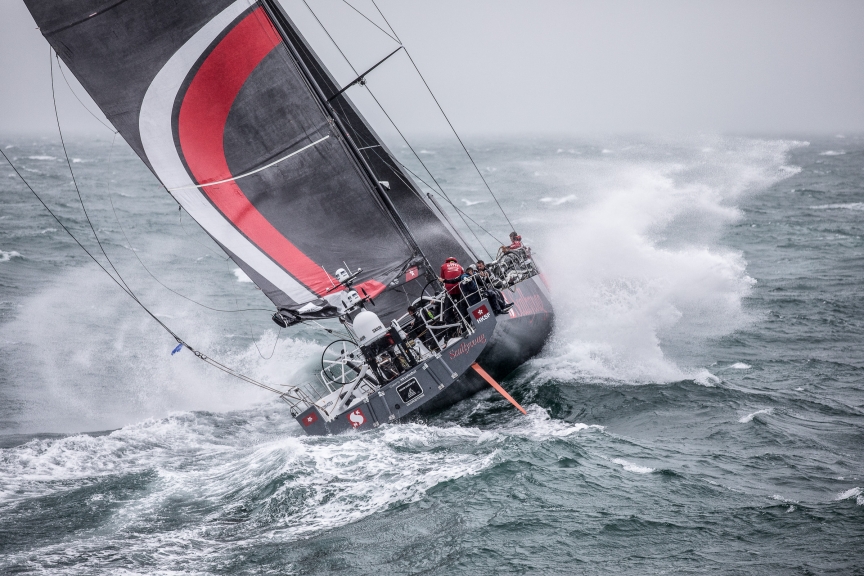
Ocean racing is dangerous. That’s what everyone tells me, anyway, and I believe them. Racing around the world in sailboats that are purpose-built to be
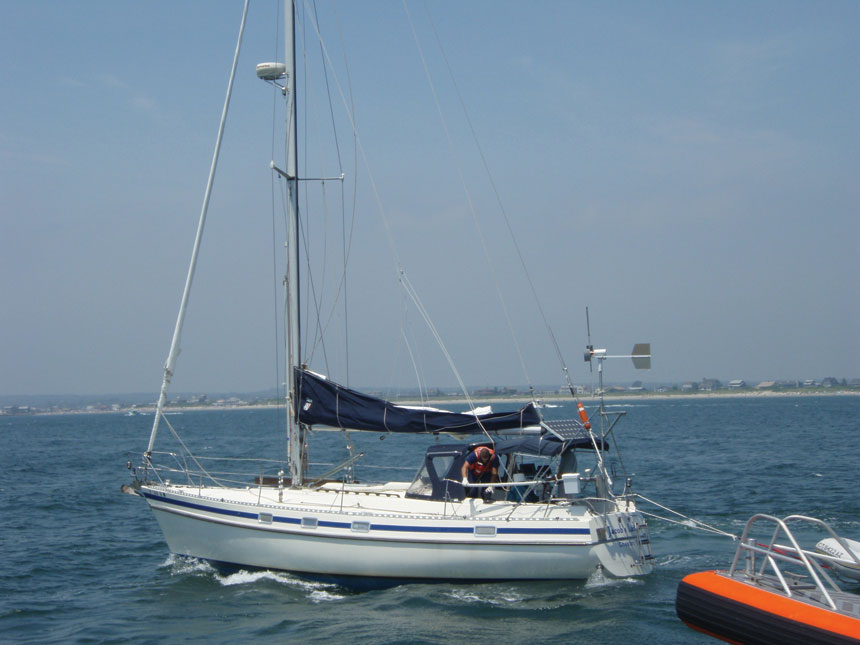
Check the Coast Guard’s annual boating statistics, and you’d think it never happens.
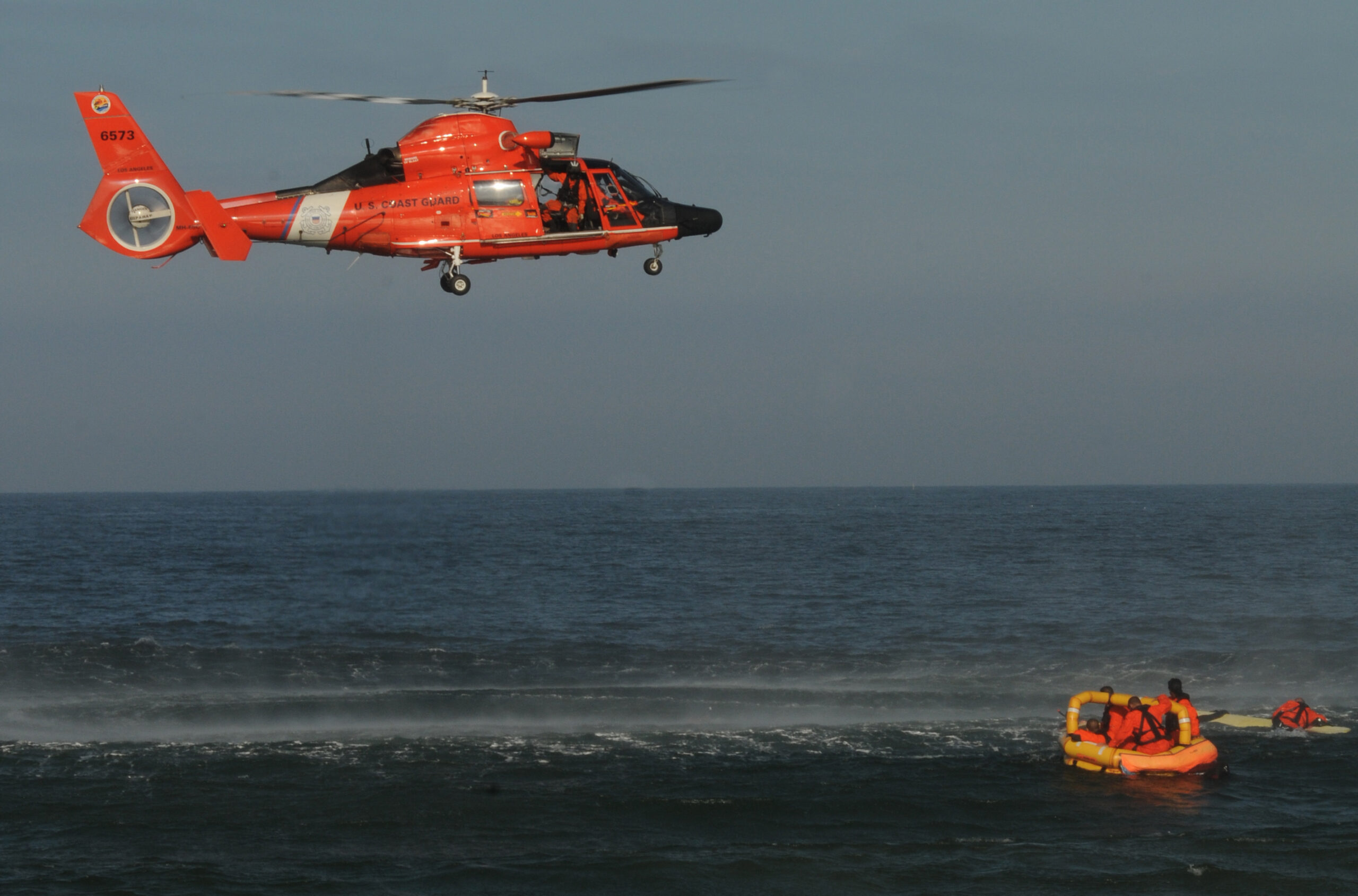
At sea during an emergency is the absolute worst time to discover what your life raft is or isn’t packed with, or to figure out how to get in and out of it, writes Mario Vittone in this week’s Lifelines: Safety And Rescue At Sea blog.
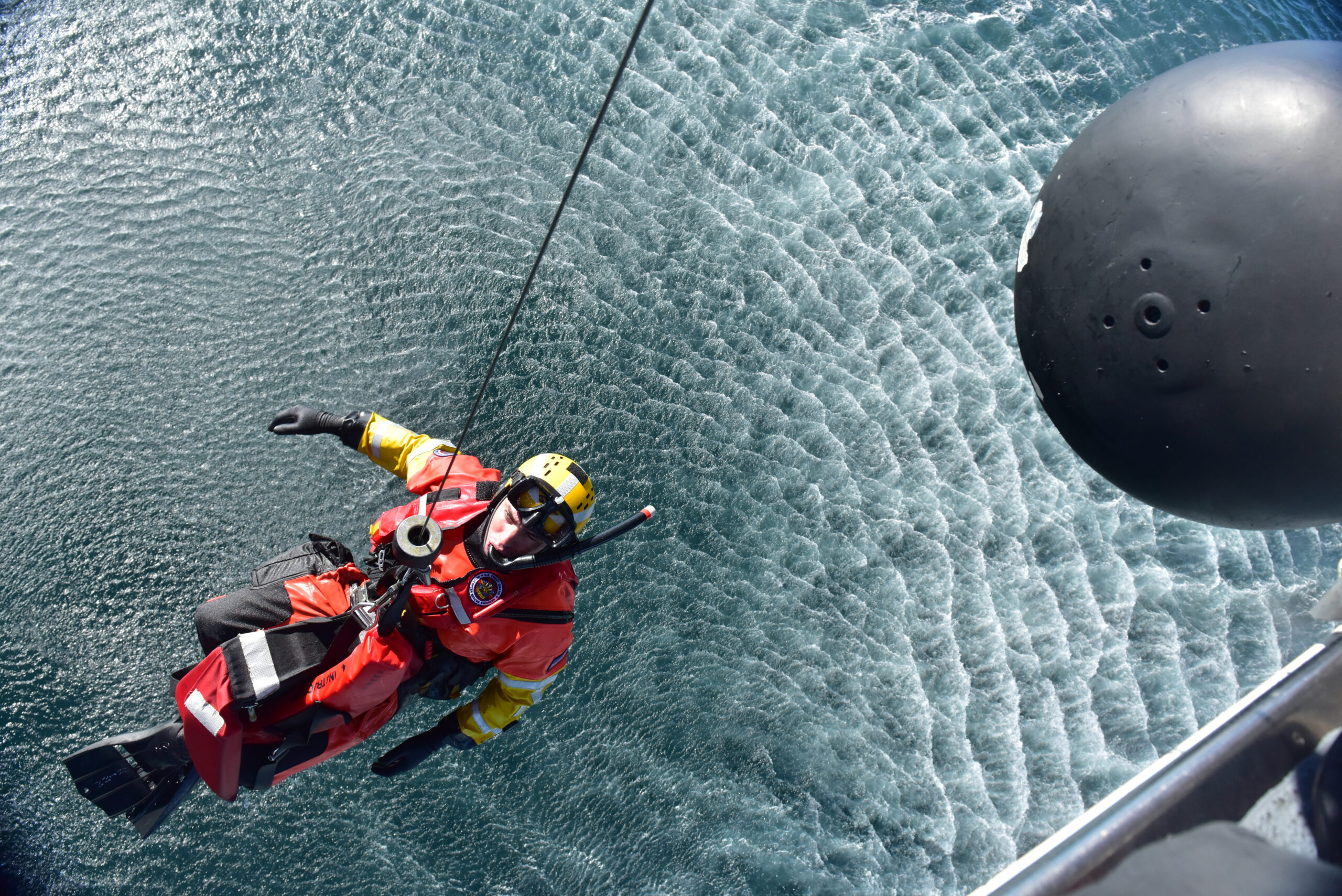
After working an incident where an angler and his two sons lost their lives, Coast Guard Rescue Swimmer Mario Vittone changed his focus to helping boaters prepare for the worst. He writes about the case, and his upcoming Boaters University video series, in this week’s Lifelines: Safety And Rescue At Sea blog.
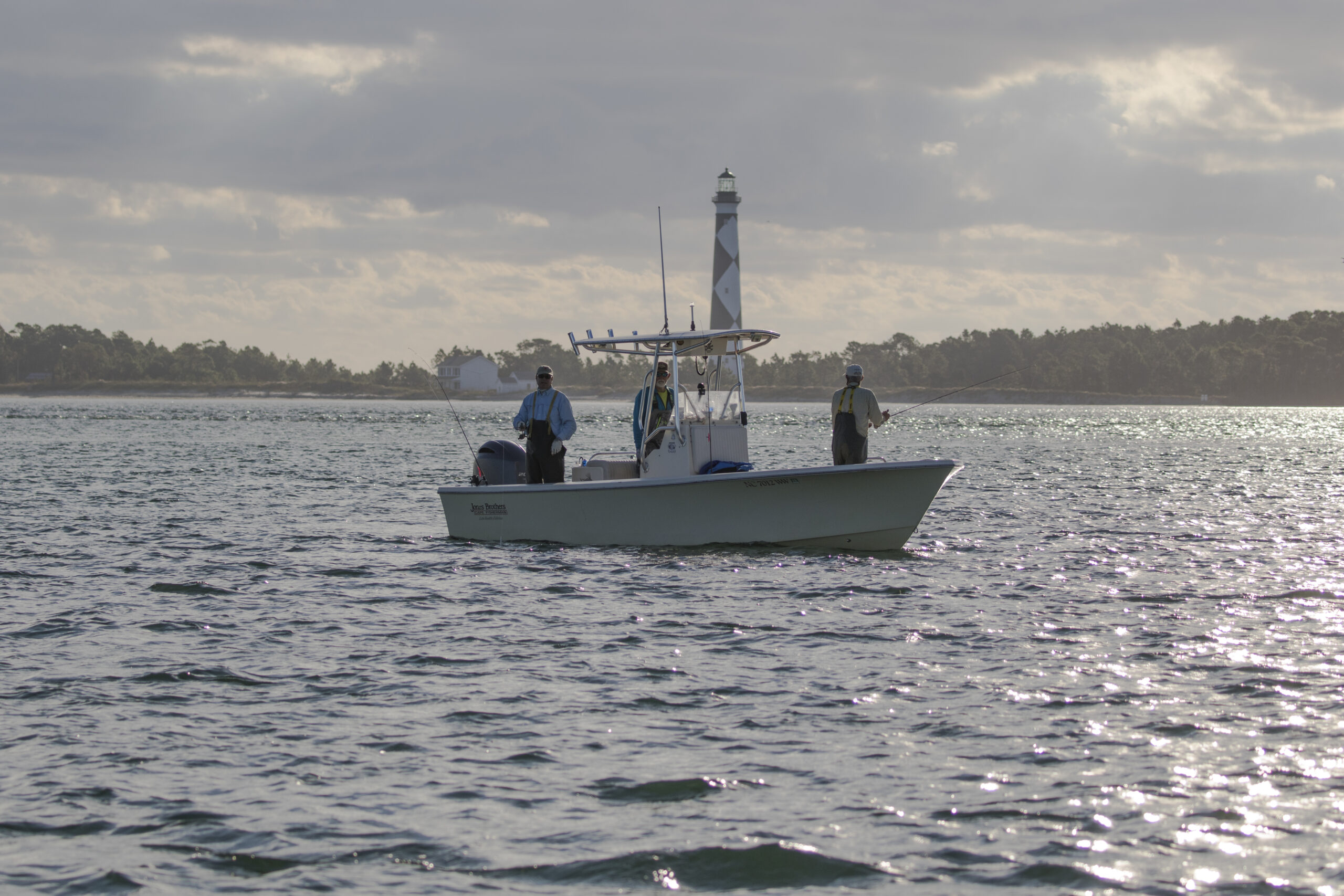
How do you find out if the captain on your next fishing charter or head boat excursion is a capable one? Mario Vittone writes about the three questions he asks, when in doubt, in this week’s Lifelines: Safety And Rescue At Sea blog.
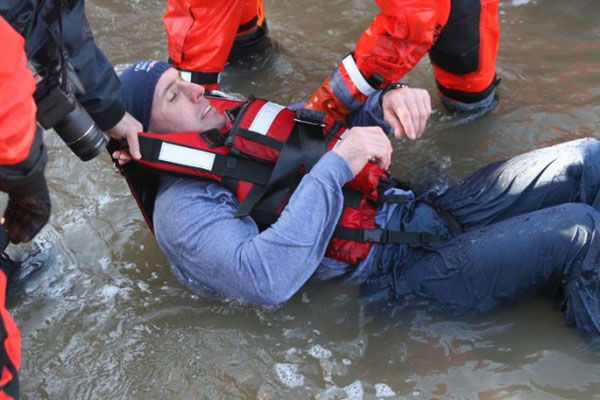
Mario Vittone takes a 41-degree dip in the Delaware River in this week’s Lifelines: Safety And Rescue At Sea blog. Watch his video to learn a simple cold-water immersion strategy that could save your life.
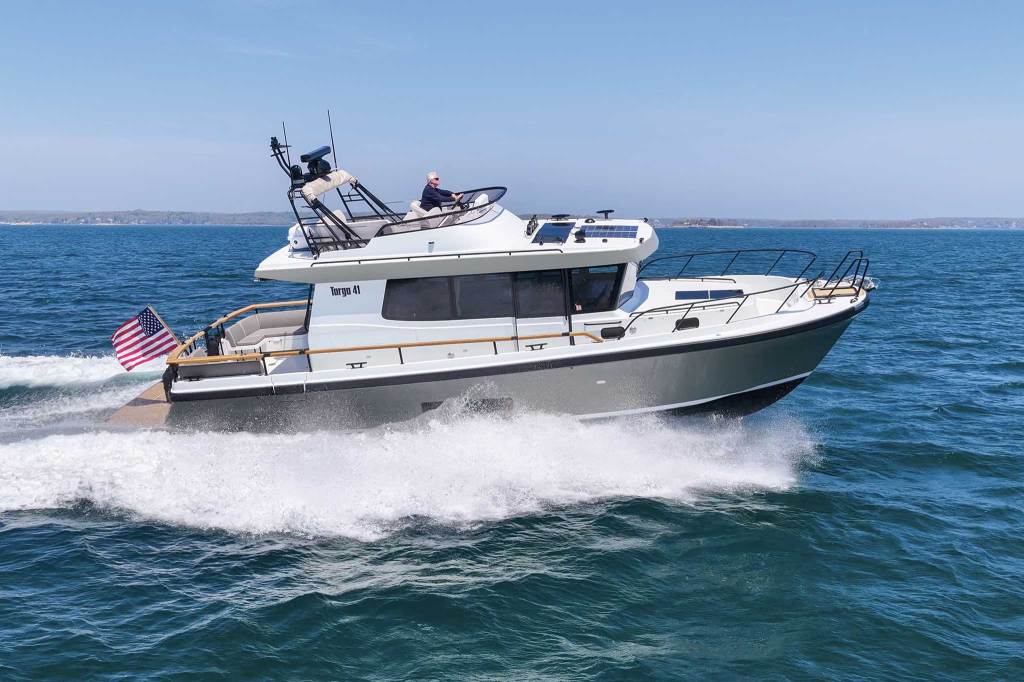
When the forecast turns ugly, the Targa 41 inspires confidence, delivering the solid, comfortable ride that has defined the brand for decades.
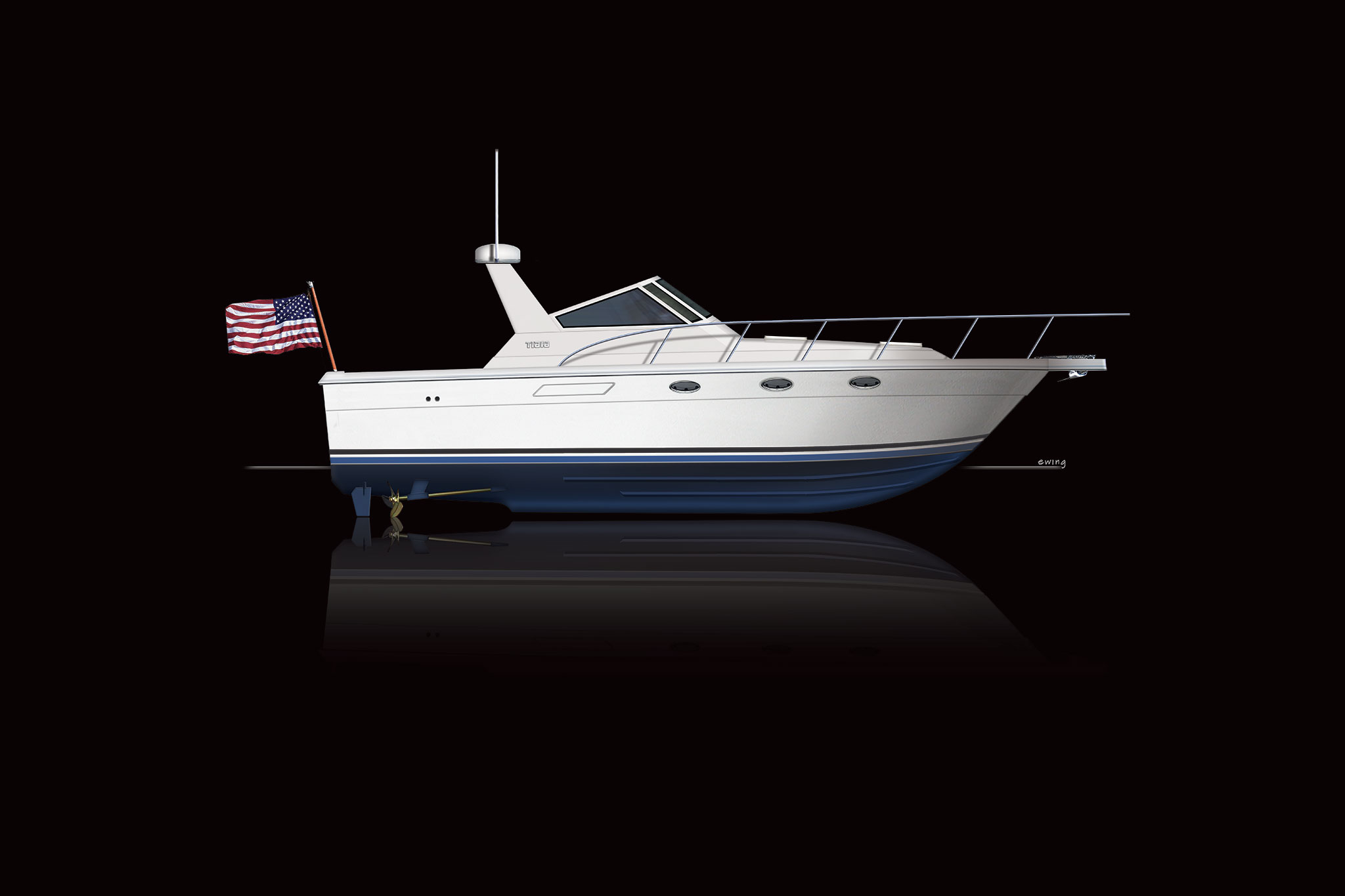
This express cruiser hit the market in 1979, was an almost instant hit, and stayed in production for a long time.
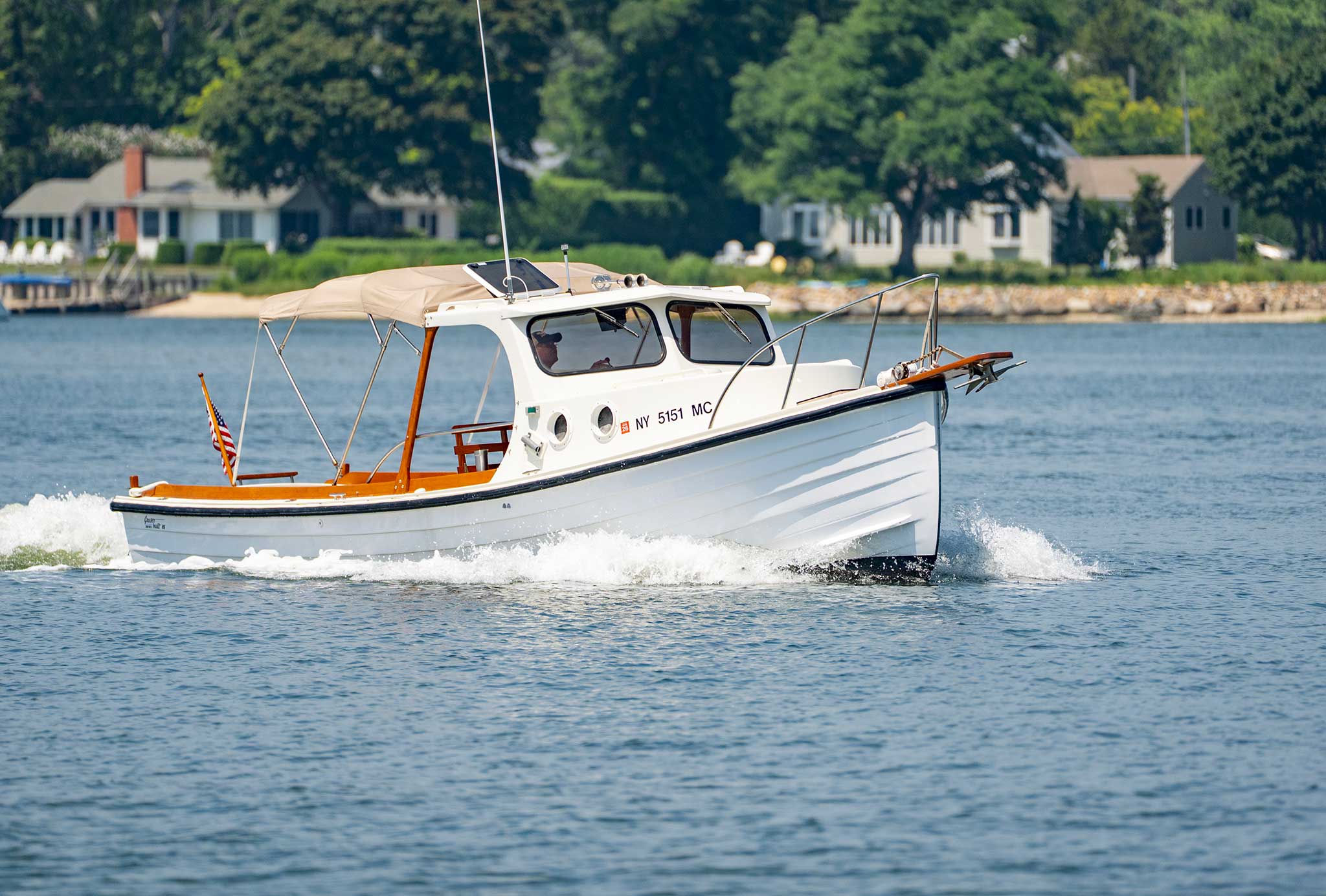
A 1985 Groverbuilt 28 rocks a new look following a thoughtful restoration.
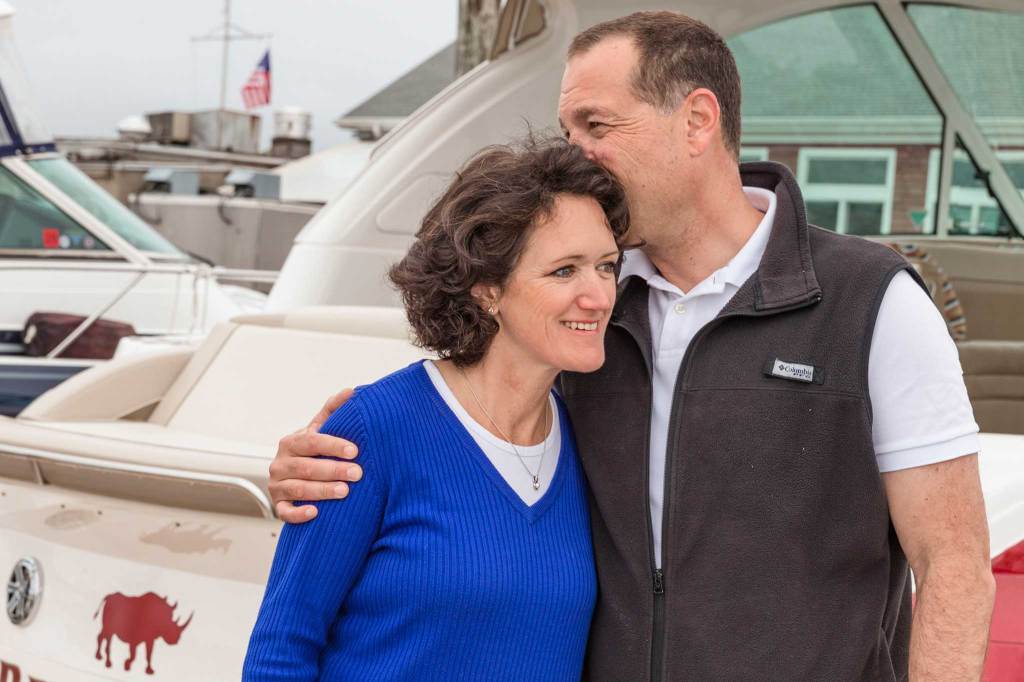
What many of us cherish most about time on the water are the people with whom we share it.
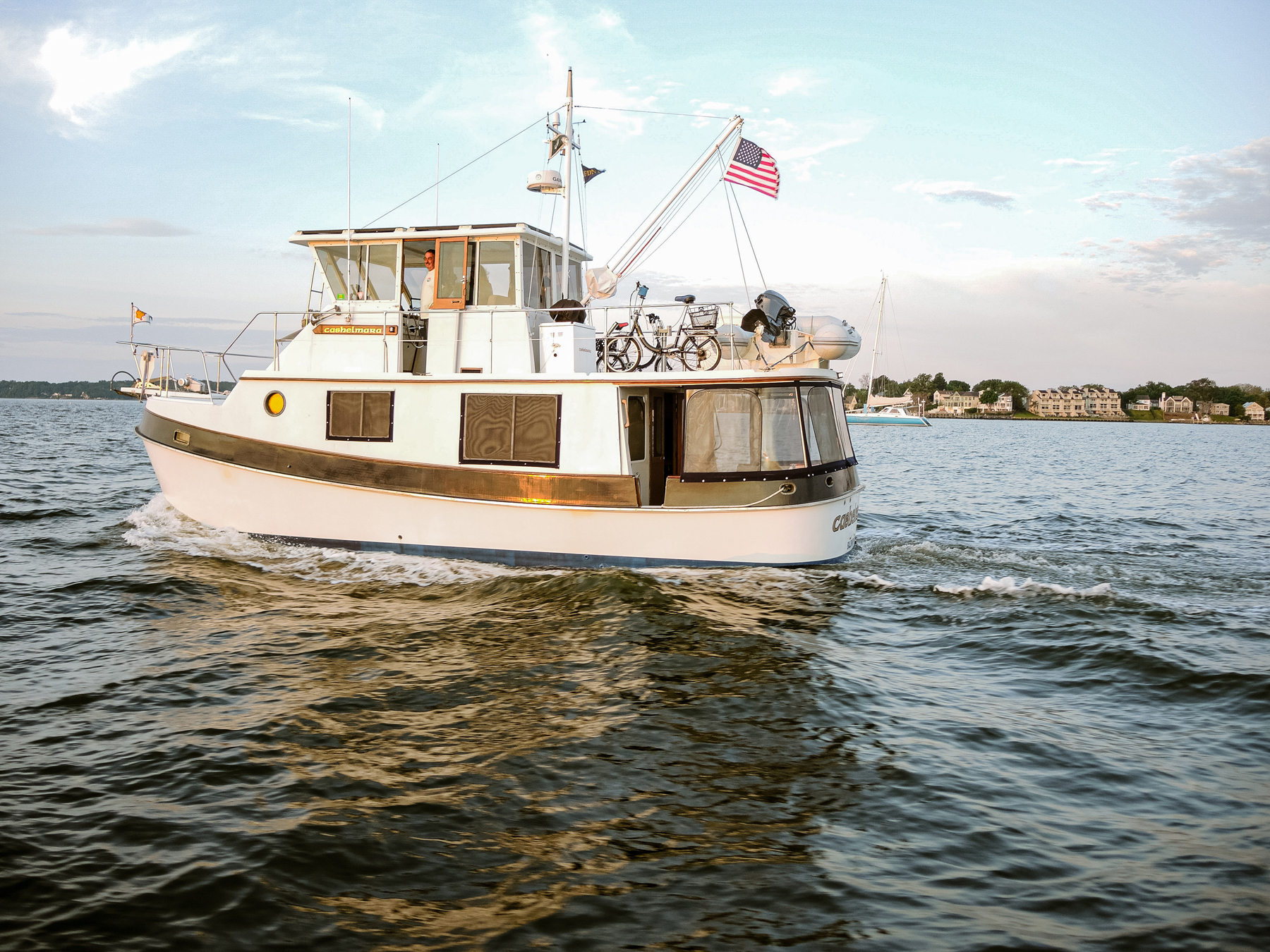
Mary and Chris Kelleher refurbished their Krogen 36 Manatee for their Great Loop adventure.

Before water skiing, aquaplanes skimmed across lakes and bays nationwide, launching one of America’s earliest boating crazes.
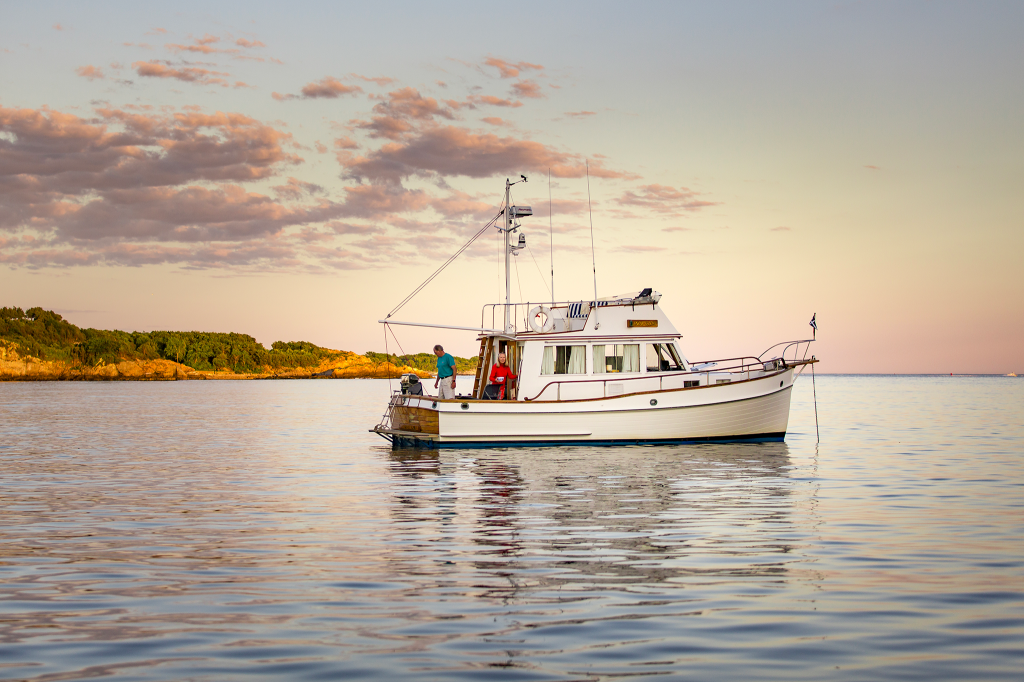
With the boating season in full swing, our editors make the case for visiting their local waters.
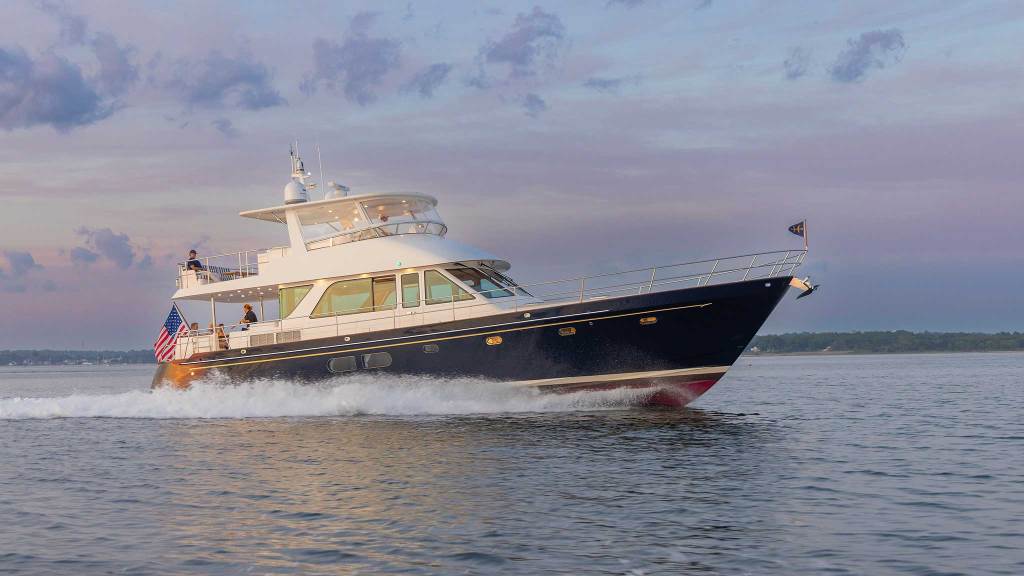
With Chris DiMillo at the helm of Hunt Yachts, this classic brand is good hands.

Willard Bond used bold color to emphasize the power and energy of a yacht race.
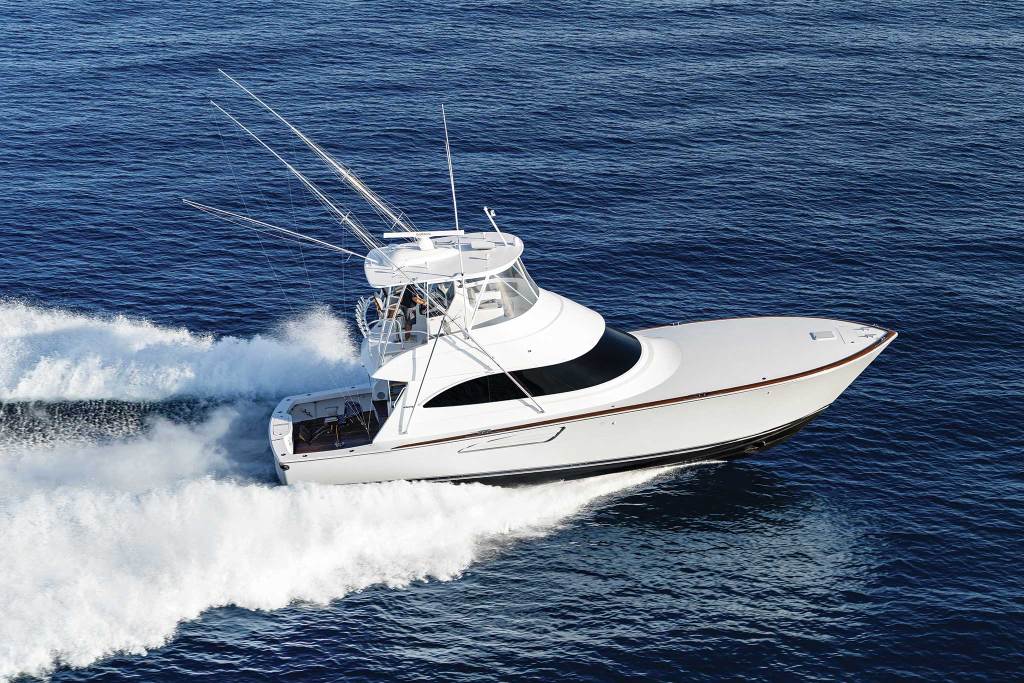
It’s the smallest model in Viking’s convertible fleet, but it punches well above its weight.